marathi Movies.
Discover high-quality marathi cinema across all streaming platforms.

Shyamchi Aai
The plot revolves around a boy called Shyam and his relationship with his mother. It shares the effect Shyam's mother has had on Shyam's life and upbringing, and how he is taught to stick to his ideals and principles, even in the face of poverty. The relationships of all the individuals in Shyam's family are explored.


Lakhrani
Bichwa (Khote) is the queen of a devout Untouchable community not permitted to enter the temple. Her daughter Lakha, the best dancer in the community, marries the prince of a rival community of atheists and is excommunicated by her own people. The devout group has their devotion tested by economic setbacks and a major conflict erupts between them and the atheists but god materialises on earth, thus solving the problems of belief and its attendant conflicts. Untouchability is abolished and they can all join together to worship in the temple. This transparent piece of religious propaganda saw Guru Dutt’s acting debut in the minor role of Lachman, Lakha’s brother.

Saint Dnyaneshwar
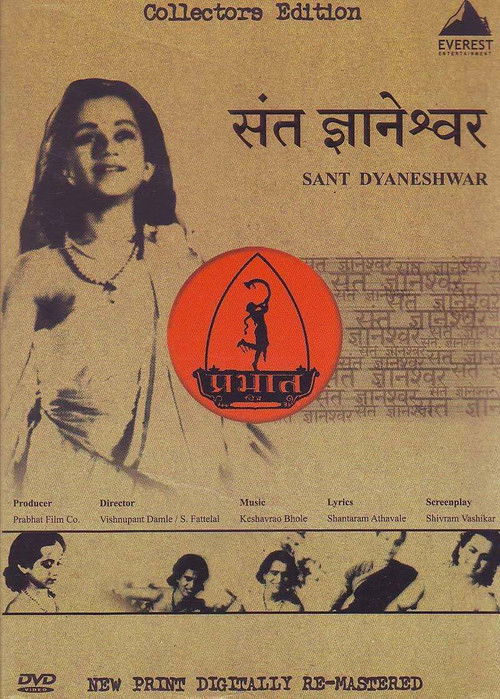
It's the story of a boy who finds enlightenment by experiencing religious hipocrisy and dogmatism. Dnyaneshwar liberated the "divine knowledge" locked in the Sanskrit language to bring that knowledge into Prakrit (Marathi) and made it available to the common man.
Gopal Krishna
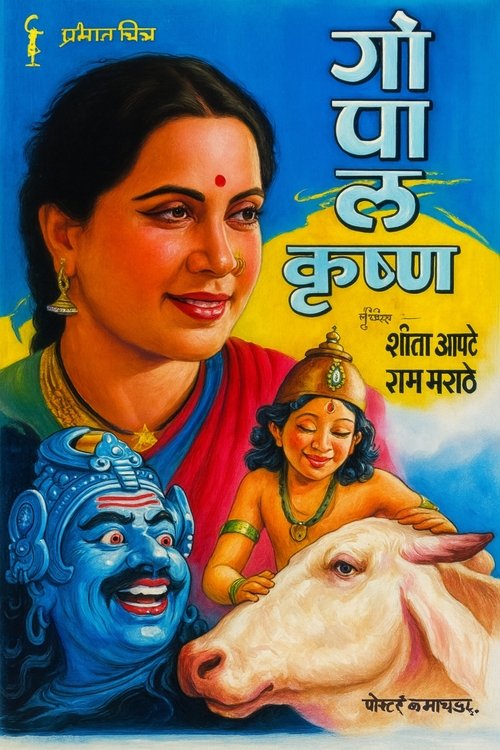
This mythological tells of the playful child Krishna (Marathe) and his battle against the evil King Kamsa (Ganpatrao) who rules the city of Gokul. The stories, mainly from the popular 'Bhagvat' and 'Vishnu Purana', also show Krishna vanquishing Keshi (Haribhau), Kamsa's general who arrives in disguise to capture him. Finally, when Kamsa unleashes rain and flood over the city (in a departure from the original legend where Indra caused the natural disaster), Krishna raises the mountain Govardhan over the people to protect them.
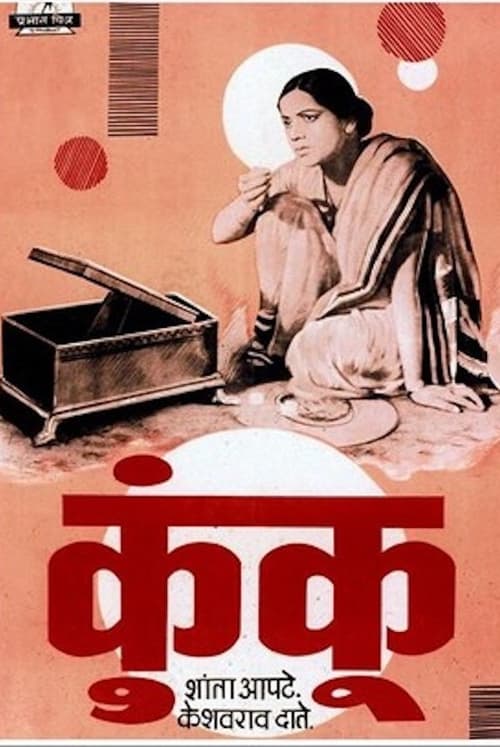
Kunku
Neera (Apte) is trapped into marrying an old widower Kakasaheb (Date). He is a progressive lawyer with a son and daughter of Neera's age. Neera refuses to consummate the union claiming that while suffering can be borne, injustice cannot. Neera faces many hurdles including her mother-in-law and a lascivious stepson Pandit (Nene).
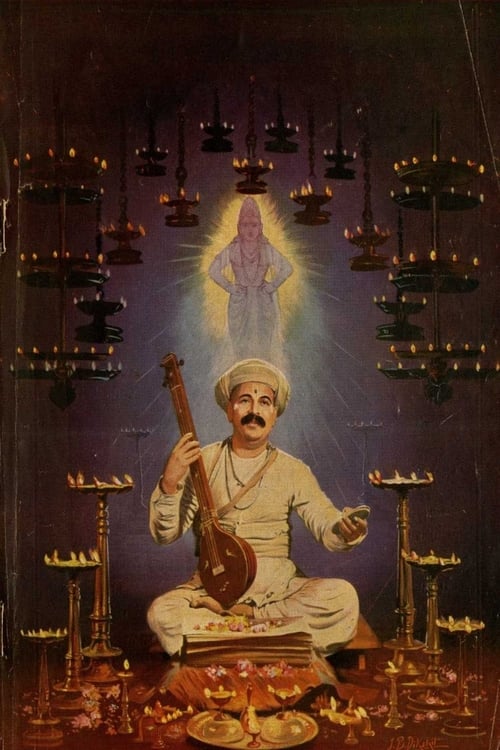


Dharmatma
Sant Eknath, a 16th-century poet-saint who challenges caste discrimination by serving and dining with the untouchables. His actions provoke outrage from orthodox Brahmins, leading to his excommunication. Despite opposition, Eknath stands firm in his belief in equality and devotion, inspiring others to join his cause and defending his principles through his spiritual teachings.
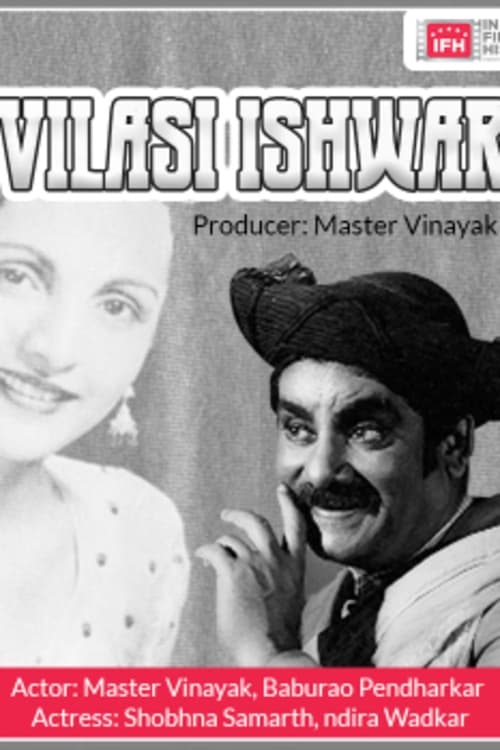
Vilasi Ishwar
It is a melodrama about tlie rich and callous Vilas who abandons girlfriend Shama when he discovers that she is pregnant. She raises her son Nandu with the help of her younger brother and the film's hero, Sanjeev. When Vilas re-enters thier lives, it is with a new name, Ishwar, and with the intention of seducing the rich Princess Indira who loves Sanjeev. Ishwar has a bad accident and an attack of amnesia that also leads to a confession of his past deeds.
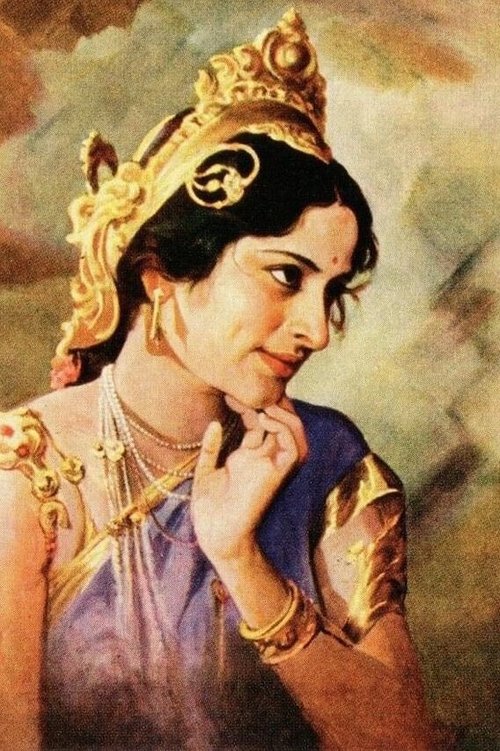
Usha
The demonic King Banasur, a devout disciple of Shiva, wants to eliminate Vishnu and his followers in the guise of Krishna, king of Dwarka and an incarnation of Vishnu. Krishna overcomes Banasur's designs by getting his daughter Usha to fall in love in with Aniruddha.
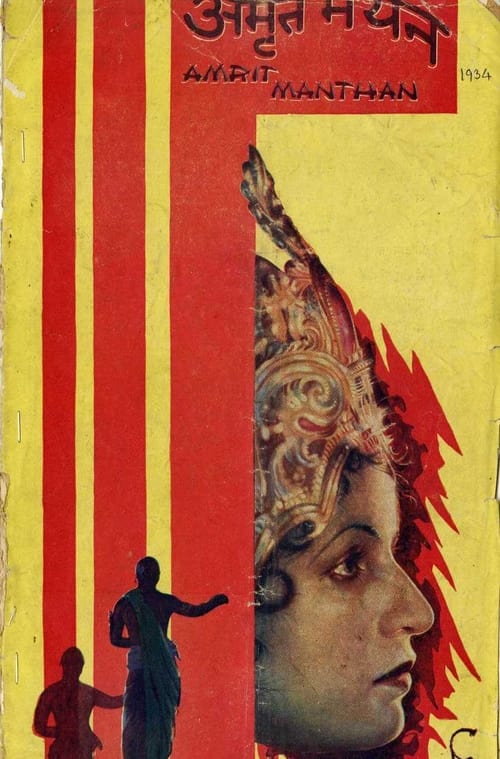
Amrit Manthan
This classic opens with a sensational low-angle circular track movement as Chandika cult followers meet in a dungeon of flickering lights and deep shadow. As the more rationalist King Krantivarma (Varde) banned human or animal sacrifices from the increasingly fanatical festivals dedicated to the goddess, the cult's high priest (Chandramohan/Date) orders the hapless Vishwagupta (Kelkar) to kill the king.
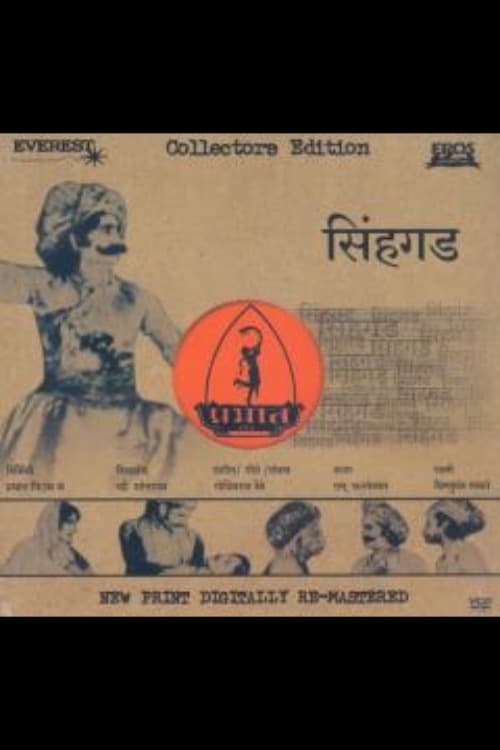
Sinhagad
Udaybhanu captures Kamlakumari who is planning to commit Sati and brings her to his fort in Kondana. Tanaji Malusare prepares to attack the fort with fifty soldiers. He manages to scale it but is killed in the battle with Udaybhanu. Chatrapati Shivaji Maharaj arrives and wins the fort but he is despondent on losing his most trusted Lieutenant.
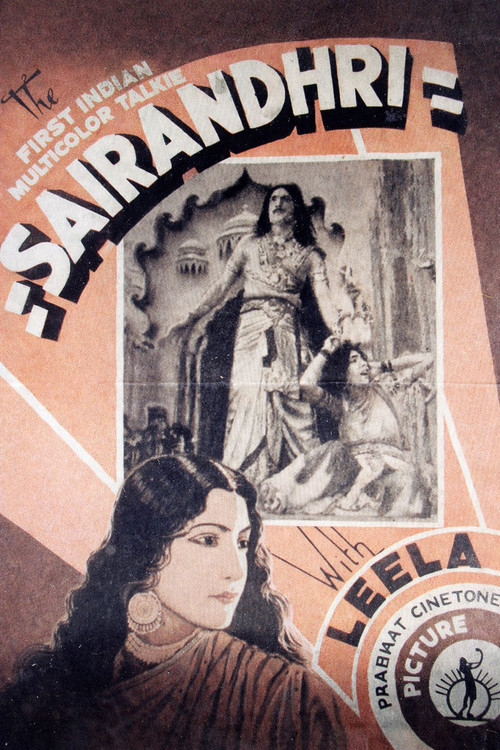
Sairandhri
Set during the Pandavas’ exile in the Mahabharata, the story focuses on Draupadi living incognito as a maid-in-waiting named Sairandhari in King Virata’s palace. The arrogant Keechak becomes obsessed with her, prompting Bhima (disguised as a cook) to intervene and kill Keechak to protect her honor.

King of Ayodhya
Ayodhyecha Raja, literally "The King of Ayodhya", was the first Marathi talkie. It is based on the mythological story of Raja Harishchandra of Ayodhya and his test by sage Vishwamitra, as recounted in Valmiki's epic, Ramayana. The film was also made as a double-version, Ayodhya Ka Raja (1932) in Hindi, making it the first double version talkie of Indian cinema.
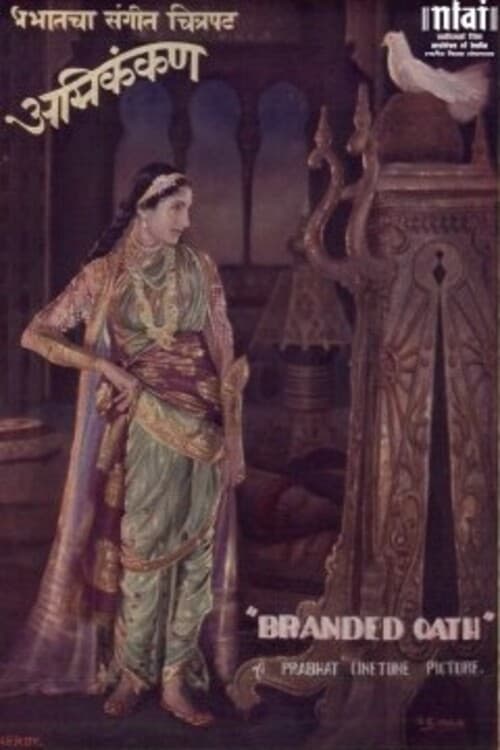
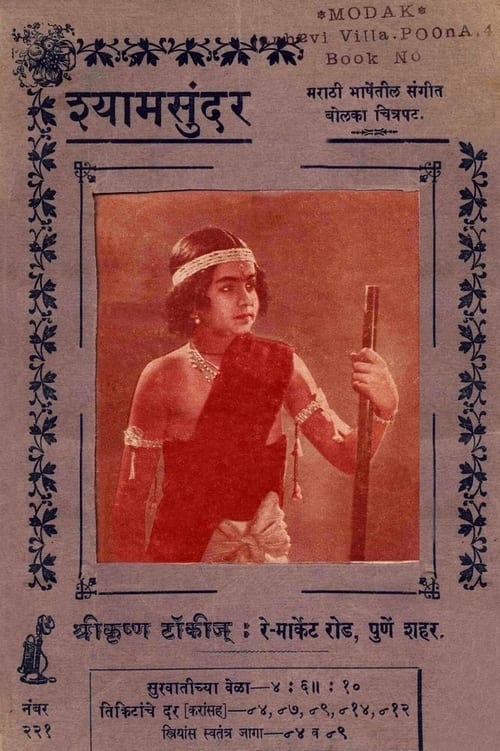
Shyam Sundar
Children's mythological drawn from the Vishnu Purana telling of the child Krishna (Modak). The film intercuts Krishna's rural escapades with Pendya and other childhood friends with palace intrigues in Mathura, where Kans receives a divine warning that the boy Krishna shall be the cause of his death.