bollywood Movies.
Discover high-quality bollywood cinema across all streaming platforms.

Shirin Farhad
India's second sound film beautifully narrates the ancient Persian love story of Shirin and Farhad from Nizami Ganjavi's Shahnameh. Farhad, a gifted sculptor, falls deeply in love with Queen Shirin. King Khusro, wishing to keep them apart, tasks Farhad with an impossible feat: demolishing the mighty Besutun mountain on his own. Despite the immense challenge, Farhad's unwavering love drives him. The film concludes with their poignant union in death, as Shirin's tomb miraculously opens to receive him.

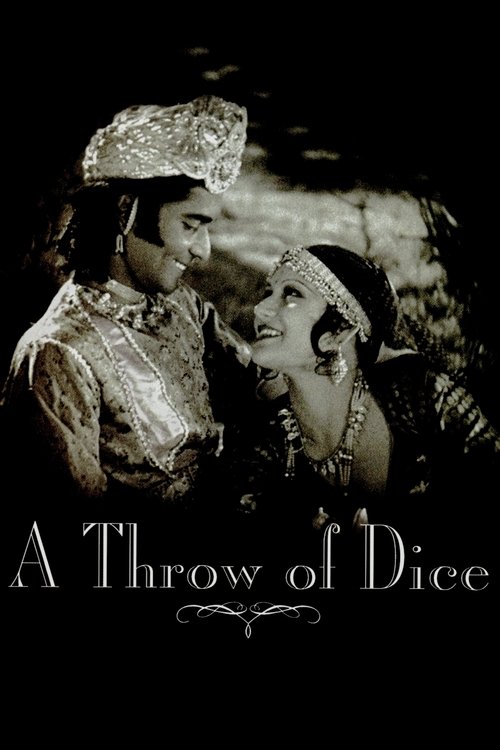
Draupadi
A grand Mahabharata adaptation, this film focuses on Duryodhana's plot to usurp the Pandavas' kingdom. It culminates in the infamous dice game where Yudhishthira loses everything, including Draupadi, whose honor is miraculously saved by Krishna during a public humiliation.
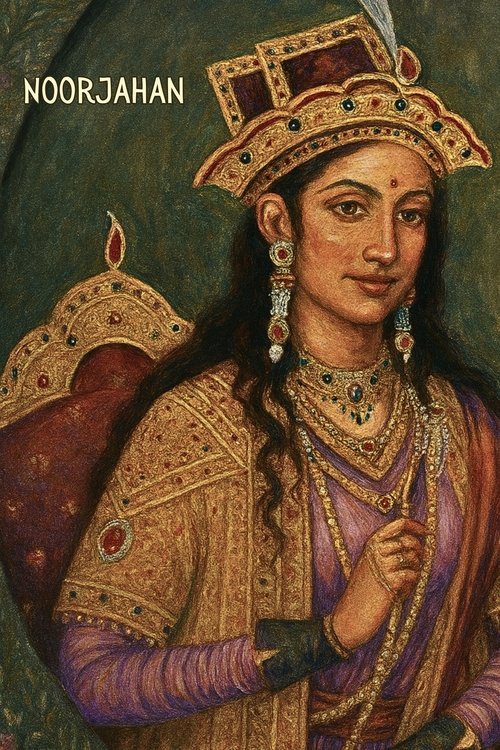
Noorjahan
This silent historical drama chronicles the life of Mehr-un-Nissa, who rises from humble beginnings to become the powerful and influential Empress Noor Jahan, wife of Mughal Emperor Jehangir. The film explores her intelligence, beauty, and significant role in shaping the Mughal Empire.
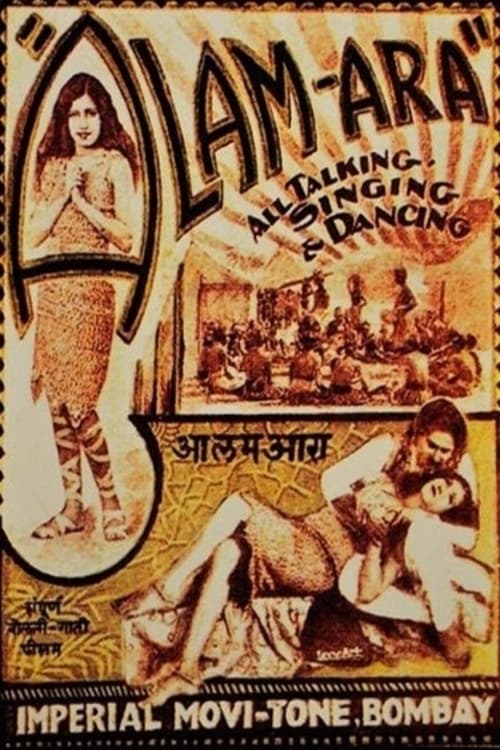
Alam Ara
A period fantasy that told of the ageing king of Kamarpur, and his two rival queens, Navbahar and Dilbahar, and their rivalry when a fakir predicts that Navbahar will bear the king's heir. Dilbahar unsuccessfully tries to seduce the army chief Adil (Vithal) and vengefully destroys his family, leaving his daughter Alam Ara (Zubeida) to be raised by nomads. Eventually, Alam Ara's nomad friends invade the palace, expose Dilbahar's schemes, release Adil from the dungeon and she marries the prince of the realm.
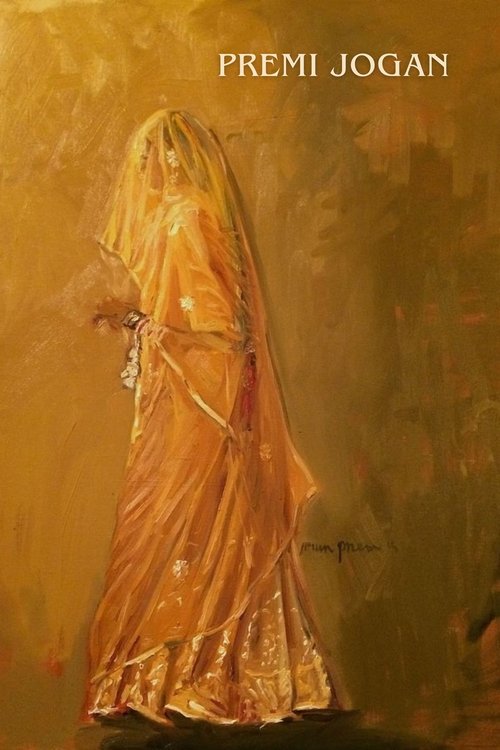
Premi Jogan
Amar (Bilimoria) and Ila's (Shantakumari) love is disrupteted by the dashing Samar (Ishwarlal). The rivals get embroiled in the Kashmir war and Samar dies in Amar's arms. Amar returns to find that Ila has become an ascetic but they eventually get married.

Radha Rani
Betaab's best-known script tells of Radha (Gohar), a carefree rural belle who is supposed to marry childhood friend Gopal, but instead falls in love with a stranger who turns out to be the missing Prince Vijaysingh. When Ihe king despatches soldiers to recover the prince, Vijaysingh discards the pregnant Radha. She is attacked by the villagers for her immorality and eventually appears before the prince, her former lover, in court where she refuses to denounce him. Her child dies, she becomes a prostitute and eventually dies in the arms of the prince.

Muraliwala
Raman and Radha are together, sharing for the first time genuine conjugal happiness, Radha is also happy because she has, presumably, killed her internal demon with a message from Krishna, that she finds Him in her husband. But then the demon resurfaces again: the nightmare continues.
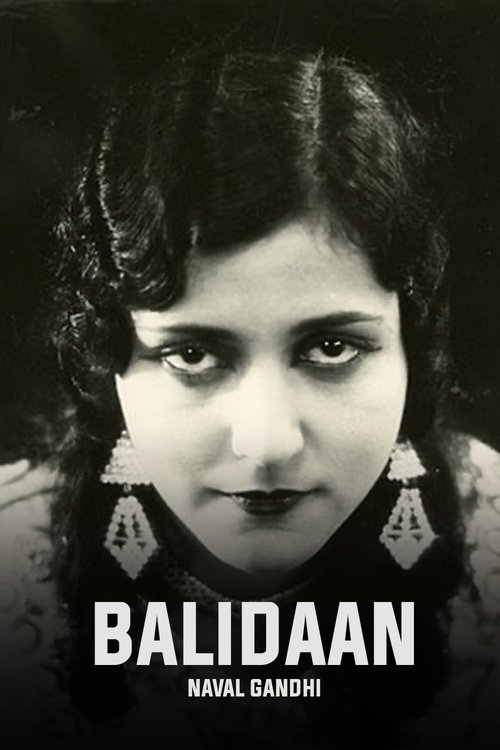
Sacrifice
The story addresses the conflict between reformist enlightenment and obsolete, inhuman ritual, questioning the contemporary validity of traditional rituals. The dramatic pivot is the conflict between the king who banned animal sacrifice, and the priest who calls for the king's own blood. Emotionally, the film revolves around the childless queen and a beggar girl whose pet goat has been taken for the sacrifice and who loves a servant in the temple.
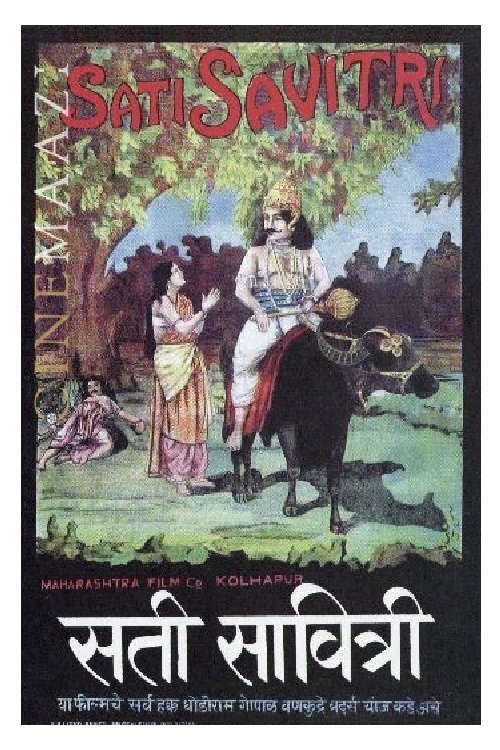
Sati Savitri
Baburao Painter’s mythological silent feature SatiSavitri (1927) narrates the tale of love and devotion of legendary Savitri, who won back her husband from the Lord of death Yama. Only 32 minutes exists.
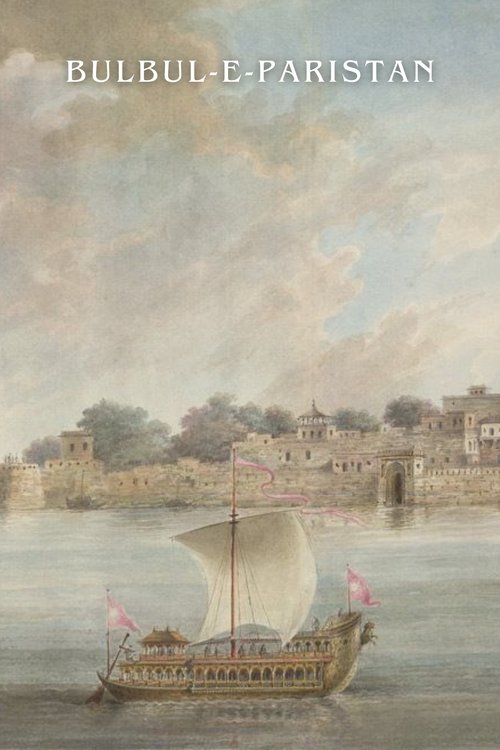
Bulbul-e-Paristan
Probably the first Indian film directed by a woman. It was a big-budget fantasy abounding with special effects set in a Parastan or fairyland.

The Light of Asia
Living an indolent life in a luxurious palace, Prince Gautama (Rai) is insulated by his family from the harshness of the world outside. But he is destined to learn greater truths: shocked to discover the pain and suffering of so many in his kingdom, he abandons his privileged existence, and his wife Gopa (Seeta Devi), to become a wandering teacher, eventually finding enlightenment and founding Buddhism. Featuring superimposed images and deep-focus shots that were highly impressive for the time, Light of Asia astutely combines a deeply felt spirituality with the surefire attraction of Indian exotica, which helped make it a considerable success in Europe.
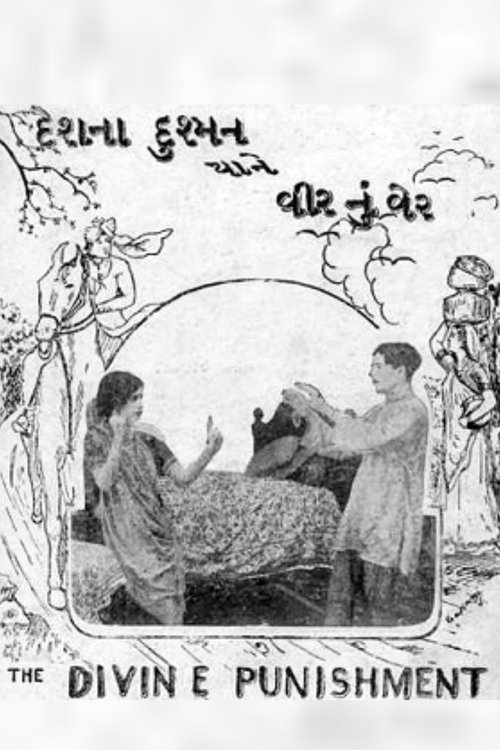
The Divine Punishment
A silent social drama exploring themes of treason and retribution. The film would have told a moralistic tale about a character who acts as an "enemy of the nation" and faces divine or karmic punishment for their actions.
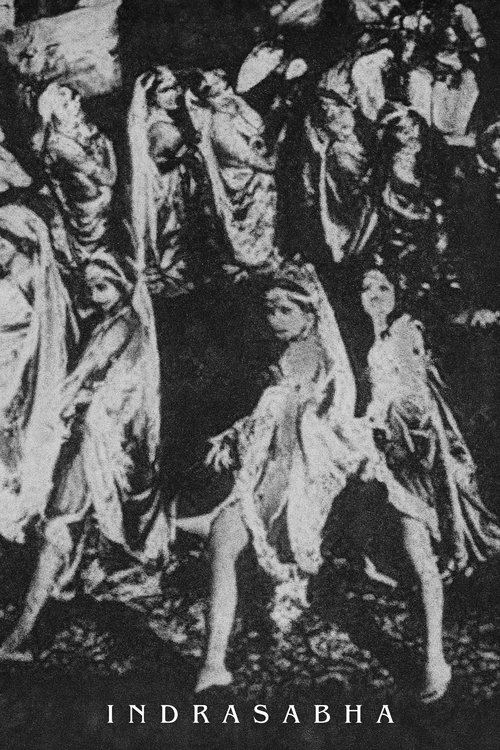
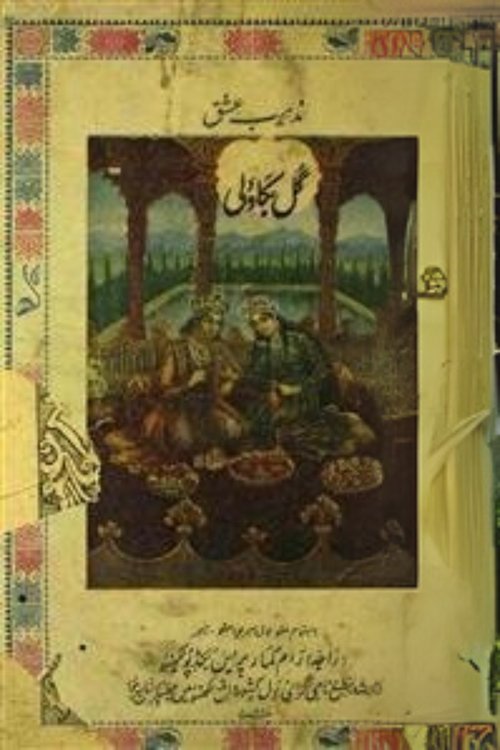
Gul-e-Bakavali
Based on a popular legend, this silent film tells the story of the fairy Bakavali and her divine flower, the Gul, which possesses healing powers. Taj-ul-Mulk, a prince from the East, seeks the flower to cure his blind father. The legend's origins are debated: one version traces it to a 19th-century translation of a Persian tale, while another points to a 16th-century narrative from Abely Sheikh. The story was a favorite on the Parsee stage, particularly the scenes where Taj-ul-Mulk battles his villainous brothers, who steal the flower. The tale also features Bakavali turning to stone and her eventual human rebirth.


