bengali Movies.
Discover high-quality bengali cinema across all streaming platforms.
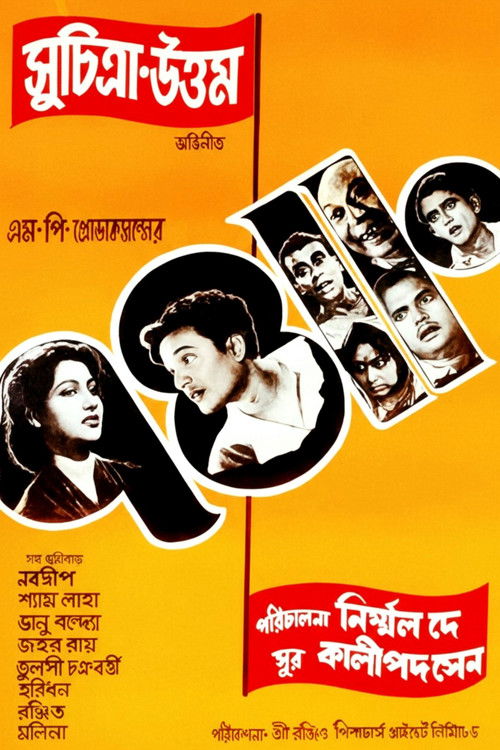

Bou Thakuranir Haat
Bou Thakuranir Haat is a Bengali drama film directed by Naresh Mitra based on a novel of Rabindranath Tagore in the same name, published in 1883. The film is based on the real-life story of Jessore Raj Pratapaditya. Pratapaditya is described as an antagonist more than a protagonist in this film.

The Sinner
A womanizer (Asit Baran) conceals his syphilis and prepares to marry for the second time. Will his first wife be able to stop him?

Hanabari
A person vows to eradicate the rumors of a haunted house.
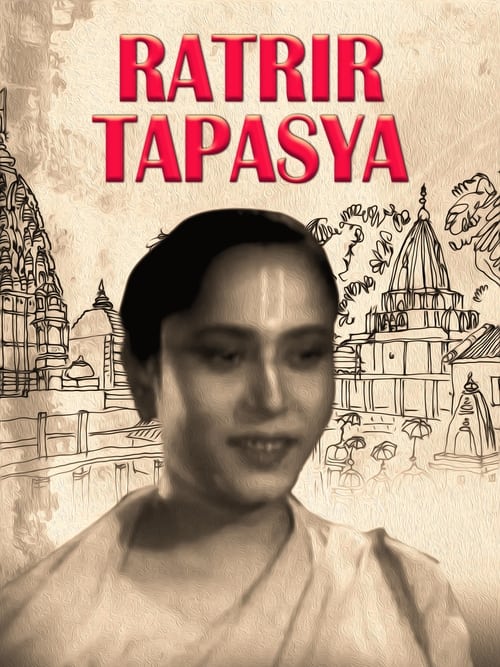
Ratrir Tapasya
Bhupen is an excellent student who works as a private tutor to support his education and family. He begins to teach Sandhya who is a rich man's granddaughter. She ends up falling for him and that ruins his career, even though he did not feel the same for her. He later gets married to Kalyani but he and Sandhya still share a bond for the sake of her property.


Kapalkundala
Nabakumar, a young gentleman from Saptagram, got lost in a forest while returning from pilgrimage in Gangasagar. He met a Tantric sage who trapped him, intending to make him a sacrifice to goddess Kali; but was later freed secretly by Kapalkundala. The priest urged Nabakumar to take Kapalkundala away from her wicked foster-father and also showed Nabakumar his way to Saptagram. Now re-christened as Mrinmoyee. The sage, on the other hand, got annoyed at Kapalkundala’s betrayal and began to plot his revenge. In the meantime, Nabakumar met Padmabati, his first wife, who was converted to Islam by his father, making Nabakumar to desert her. Padmabati, now renamed as Motibibi, expressed her love for Nabakumar, but he refused her. Later the sage came to Saptagram and met Motibibi. The sage wanted to kill Kapalkundala, but Motibibi wanted to separate her from Nabkumar only.

Datta
The film is a romantic story about a wealthy Brahmo woman and a poor but intelligent Hindu man. It explores their growing love despite societal obstacles. Sarat Chandra Chattopadhyay, combines humor with serious themes and social commentary, creating a timeless story that respects women.


Jighangsa
The movie revolves around the unwanted incidents that happened in the princely state of Ratnagarh. After the murder of King Chandrakanta, one Dr. Palit (Kamal Mitra) asked for help from one Detective Smarajit Sen (Sisir Batabyal), as a family friend. Detective Sen sent his assistant Bimal to Ratnagarh to investigate and ascertain the security of young Kumar Bahadur, a new predecessor of the royal family of the estate. They observed that a mysterious lady Manjusri (Manju De) sang an uncanny song in the adjacent water body near the palace. Mr. Gupta (Bikash Roy), a suspicious botanist who stayed in the neighborhood also roamed in that locality. It revealed that he was deprived of the real property of the royal family and took revenge by killing the members of the family. He used one deaf and dumb porter as a hired killer. Ultimately, he was killed by the detective at the end before he could commit another murder.


Ratnadeep
A son in a rich family has gone missing for a long time. A man intrudes into the family feigning as their lost son. He enjoys life with the wealth in the family. However, when the wife approaches him with trust and affection his conscience demands a hearing. Even though he is an imposter he does not want to take advantage of the wife's innocence. Finally, it is a victory for the conscience.
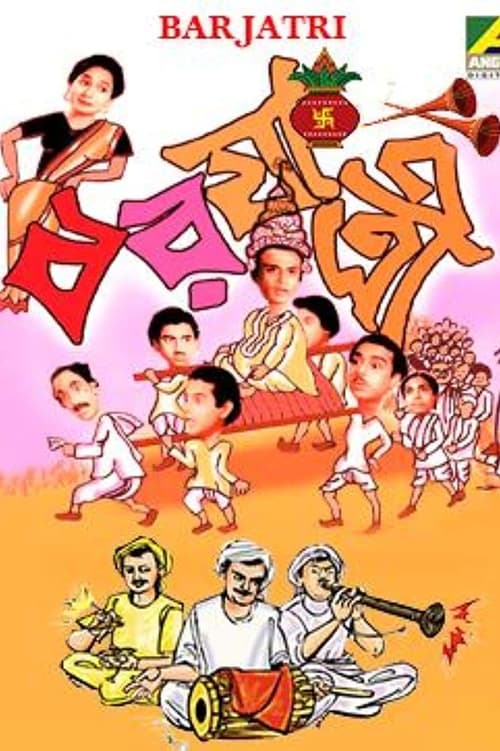

Kankal
Kankal is a social horror drama which shows how a spirit can fulfil its desire with its intense power. The story begins with Abhay being killed by a skeleton and police come for the inspection. Dr. Sanyal takes us back to the story where Tarala got married to Rattan, a rich man. But Tarala's sister-in-law's brother, Abhay was in love with Tarala whom Tarala didn't like for his bad attitude and lower education. So to take the revenge, Abhay married Rattan's sister. By moulding Rattan, Abhay took all his wealth and tried to rape Tarala. Though Rattan came to save her, he was being driven out by Abhay. In this situation Tarala passes away unknowingly and Abhay tried to hide her dead body by throwing it in the river. Rattan unable to find his wife became mad and roamed around in search for her.

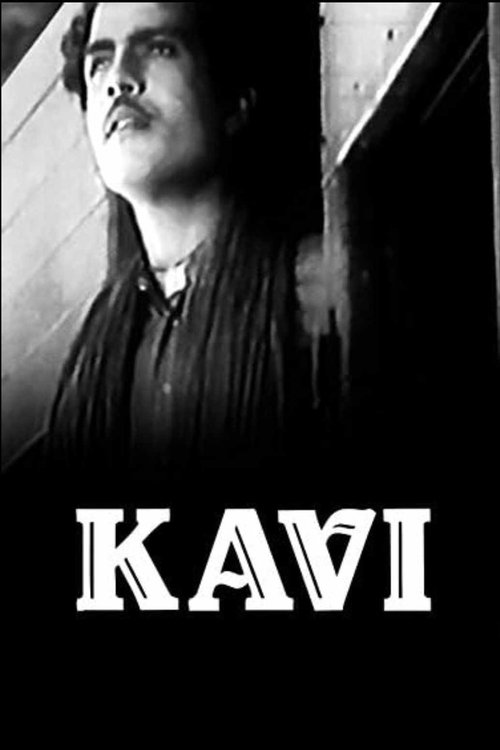


A Plea
Kamona is a Bengali drama film directed by Nabendu Sundar. This movie was released on 4 March 1949 under the banner of Kirti Pictures. This is the second film of Bengali actor Uttam Kumar after Drishtidan and his debut as the leading person crediting him as Uttam Chatterjee instead of Arun Kumar Chatterjee.
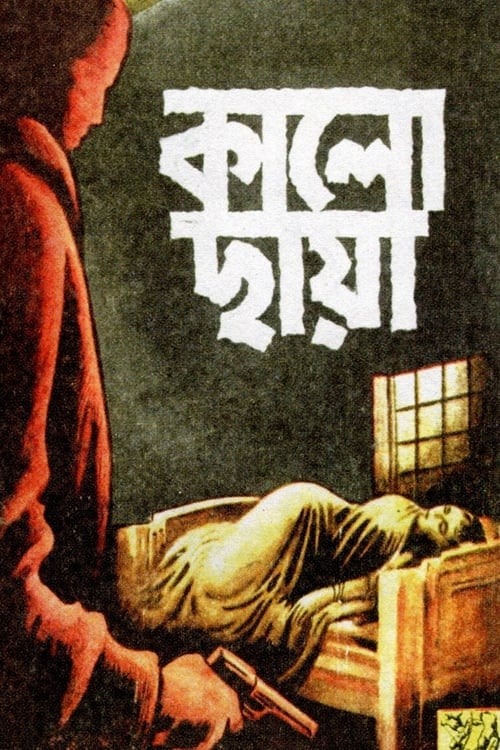
Kalo Chhaya
A lady visited Mr. Surajit Roy, a detective, with a proposal to steal a will from a landlord's house. Surajit did not accept the assignment. Soon after, he received a telegram from one Rajib Lochan Choudhury, zamindar of a remote village in Murshidabad district. It appeared that Rajib Lochan's life was in danger. When Surajit visited his house the zamindar had already been murdered. Detective Surajit started an investigation while staying at the house. He saw a nurse, Anima, appointed for Rajib Lochan and recalled that this lady went to him with the proposal of theft. There were several relatives and servants in the house but most of them concealed some or other facts from him. Finally, Surajit was successful in tracking down the real culprit

Anjangarh
When a local mining company dares to provide its workers a fair wage for a fair day's work, and lets its workers unionize, the kingdom's villainous potentate is less than pleased. After considerable pressure, the company agrees to blame unrest in the region on a blameless worker collective.
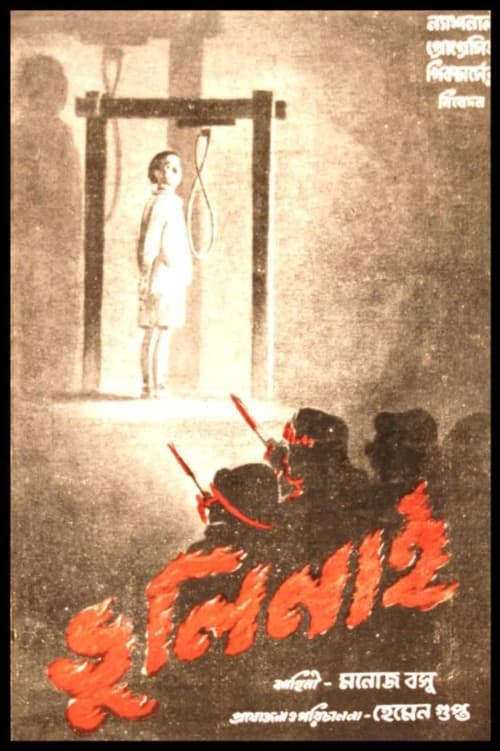
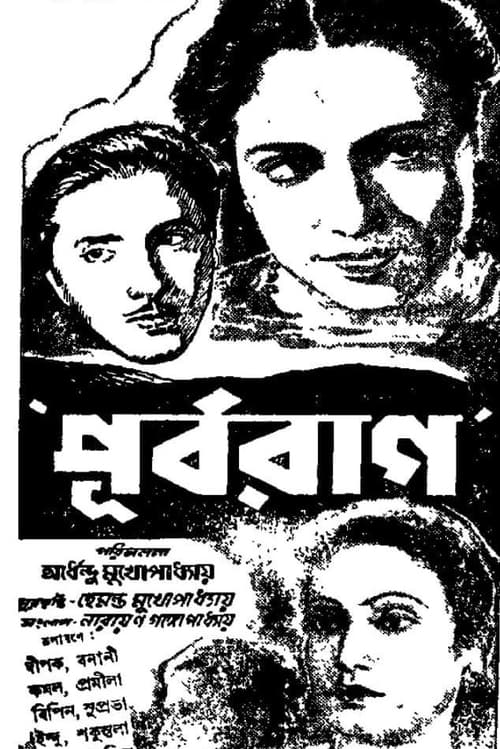
Purbarag
Purbarag follows the journey of Indranath, a young man deeply influenced by his early childhood experiences. Orphaned at a young age, Indranath finds solace and guidance from his teacher, Jatileswar Chatterjee, and his family. After completing his education, Indranath returns to his hometown and encounters both familiar faces and new challenges. The film explores themes of loss, love, friendship, and the search for meaning in life. Indranath's experiences reflect the societal changes and cultural shifts of the time. Through his interactions with various characters, he grapples with the complexities of human nature and the importance of personal values.