All Movies (15339 results)
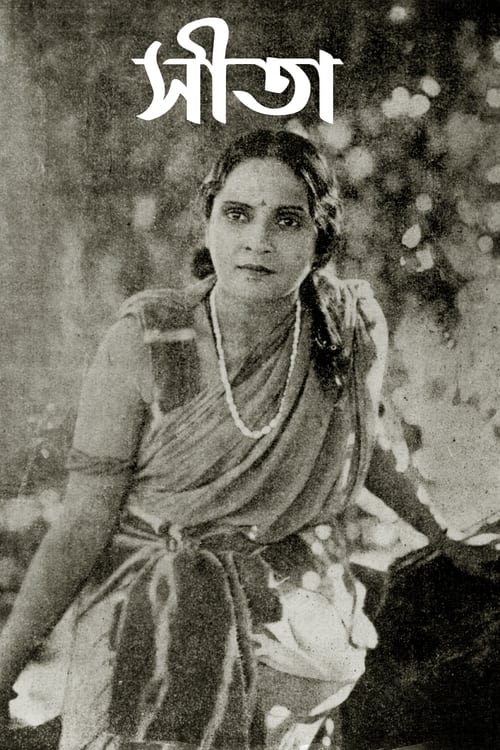
Seeta
Seeta was a 1933 Indian talkie Bengali film, directed by Debaki Bose and produced by the East India Film Company.[1] It won an honorary diploma in the 2nd Venice International Film Festival in 1934, becoming the first Indian talkie to be shown at an international film festival.

Dakshayagna
Dakshayagna is a pivotal tale in Hindu mythology. It recounts the grand sacrifice ritual organized by Daksha, where his daughter Sati, wife of Lord Shiva, tragically immolates herself due to her father's insult to her husband. Enraged by this, Shiva destroys the sacrifice, leading to the creation of the Shakti Pithas. This event also sets the stage for the reincarnation of Sati as Parvati, who later marries Shiva. The story is central to understanding the complexities of Hindu deities and their interactions.
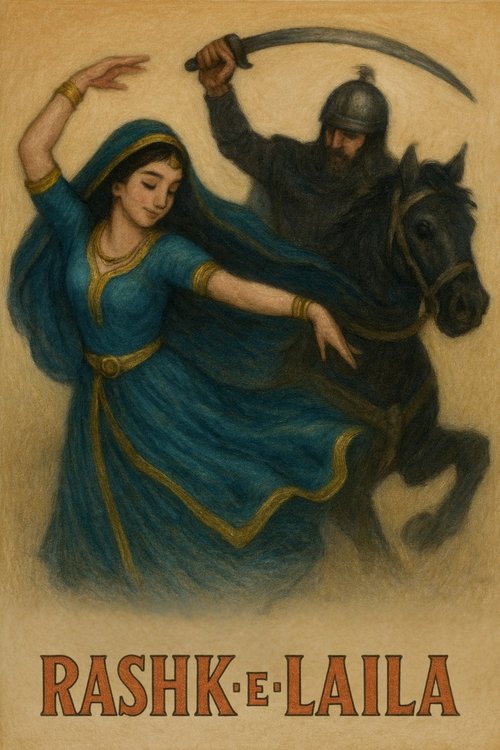
Rashk-e-Laila
One of the best-known films of Mahalakshmi, a sound film studio set up jointly by star Zubeida and director Vakil. The costumed love fantasy derived from the Arabian Nights and tells of Laila (Zubeida), a gypsy dancer who falls in love with the Persian soldier Asghar (Desa). The villain, who lusts after Laila, is Sardar Sagi (Gulab), right-hand man to the grand vizir Uoshi) who has political ambitions of his own.
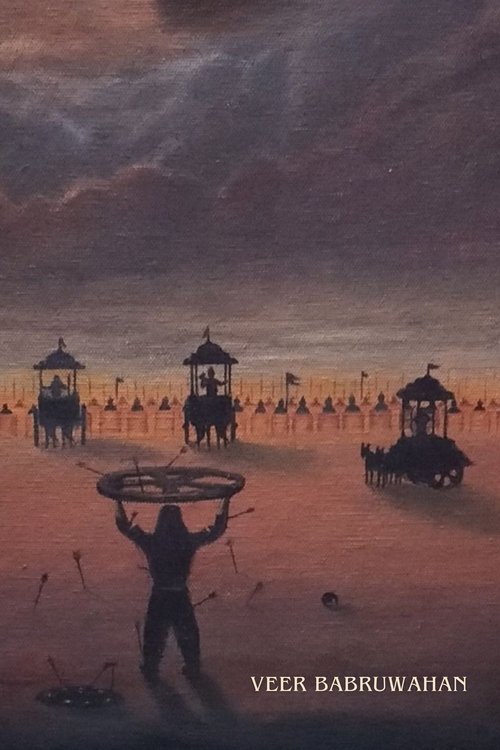
Veer Babruwahan
In this mythological tale, Babruwahan, son of Arjuna, returns from the Mahabharata war. He defiantly stops a horse from his father's army, leading to a battle in which he beheads Arjuna. As he prepares to commit suicide, Krishna appears, instructing him to retrieve the magical Sanjivani Mani from the land of the serpents to revive his father. This quest pits him against Ullupi, the serpent king's daughter and a former wife of Arjuna. When she surrenders the Mani but takes Arjuna's head instead, Krishna is forced to intervene to resolve the situation.


Sultana
Directed by A.R. Kardar, the plot is described as episodic, potentially involving a protagonist's capture and interaction with a powerful sultana
Gunsundari
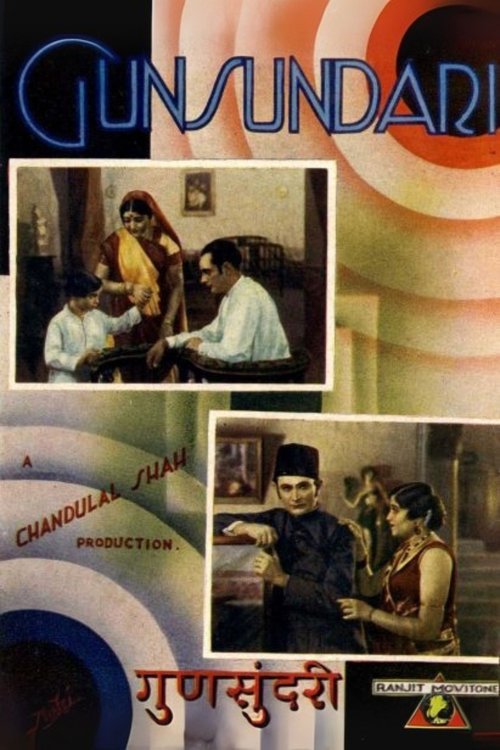
Gunsundari, the dutiful wife, acts as savior for her troubled joint family. Her father-in-law Shyamaldas battles alcoholism and accusations, while her husband Chandrakant falls prey to villains and a prostitute, losing his property. Gunsundari also aids her sister-in-law Sushila through marital woes, facing personal trouble due to a secret. Destitute, she eventually reunites with a similarly down-on-his-luck Chandrakant on the streets. A coincidence ultimately reveals Shyamaldas left his property to his estranged son, leading to a happy ending.

Finishing School
Virginia, who studies at a boarding school for upper-class girls, falls in love with a medical intern who works as a waiter for a living. Both the director of the school and her mother oppose such a relationship.

Gul Sanobar
The King of Yemen, after gaining the ability to speak with animals, tragically discovers he's accidentally thrown his son into the ocean. He tells his Queen, then mysteriously becomes incapacitated. His only cure: a magic flower from the mouth of Princess Meherangez of Sistan. Heroic Prince Umar sets out to retrieve it.
The Lure of the City
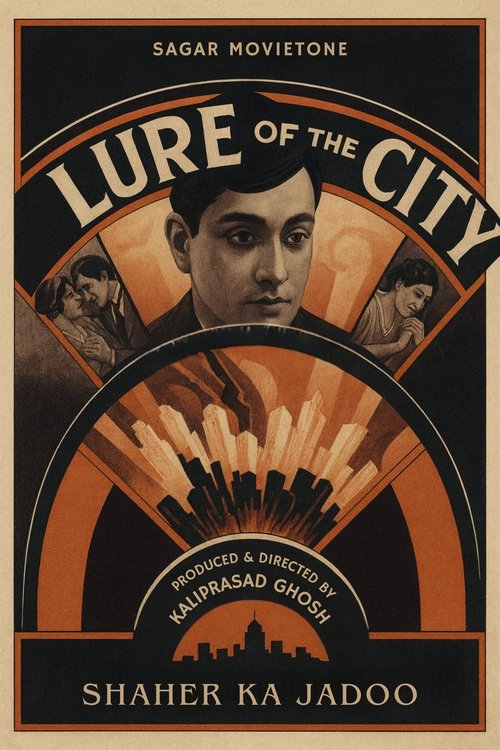
Sundarlal abandons his wife, Lalita, and children to pursue a living in the city, where he succumbs to a life of depravity. After their son dies, their daughter, Saju, defends her virtue and supports her mother in extreme poverty. Disguised as a man, she searches the city for her father with the help of a blind man, Baldev. Saju falls in love with a drunken millionaire she rescues, who mistakes her for a boy.

Chandragupta
Chandragupta is a 1934 historical film that chronicles the rise of Chandragupta Maurya, the founder of the Mauryan Empire. Directed by A.R. Kardar, the film depicts Chandragupta's journey from a humble background to becoming a powerful emperor, guided by the strategic brilliance of his advisor, Chanakya. The narrative likely covers the political turmoil of ancient India, including the decline of the Nanda Empire, the threat posed by Alexander the Great's invasion, and Chandragupta's efforts to unite various kingdoms to establish a vast and influential empire.

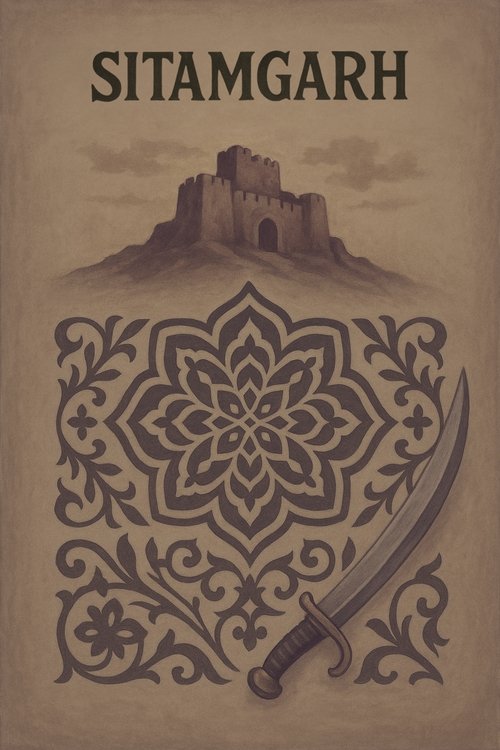
Sitamgarh
The tyrannical Jabbar attacks a village and kidnaps the son of the devout Sayyed, named Iqbal. Raised by his captor, Iqbal becomes a tyrannical commander in Jabbar's army, forcing people to accept Jabbar as their god. During a campaign, he meets a group of "true" religious believers led by Sadiq, his daughter Sadika, and Princess Hamida. Hamida falls in love with Iqbal, much to the dismay of her suitor, Shaddad. As the plot unfolds, Iqbal learns of his true ancestry and is faced with a profound choice.
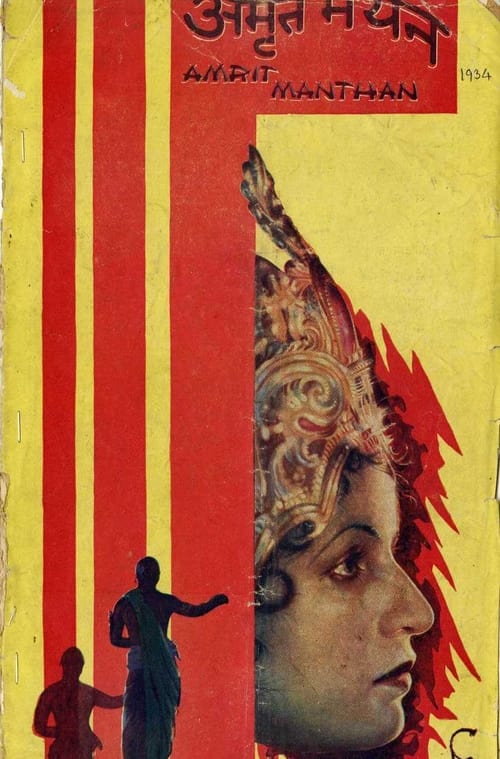
Amrit Manthan
This classic opens with a sensational low-angle circular track movement as Chandika cult followers meet in a dungeon of flickering lights and deep shadow. As the more rationalist King Krantivarma (Varde) banned human or animal sacrifices from the increasingly fanatical festivals dedicated to the goddess, the cult's high priest (Chandramohan/Date) orders the hapless Vishwagupta (Kelkar) to kill the king.

Pavalakkodi
Pavalakkodi is a 1934 Tamil language film starring M. K. Thyagaraja Bhagavathar and directed by K. Subramanyam. It was the first film for both of them. The film's music was composed by Papanasam Sivan. Pavalakkodi tells the mythical love story of Arjuna (Thyagaraja Bhagavathar) and Pavalakkodi (S. D. Subbulakshmi), the princess of Coral Island.

Yahudi Ki Ladki
This costume drama, adapted from Agha Hashar Kashmiri's classic Urdu play, unfolds a tale of rivalry, revenge, and love set against the backdrop of Roman persecution of Jews. The story centers on the Jewish merchant Prince Ezra, whose young son is tragically lost due to the cruel Roman Priest Brutus. In an act of vengeance, Ezra's slave kidnaps Brutus's infant daughter, Decia, bringing her to Ezra. Unable to harm her, Ezra raises Decia as his own, renaming her Hannah. Years later, Hannah falls in love with Marcus, a Roman prince (played by K. L. Saigal), leading to a complex web of mistaken identities, betrayal, and a dramatic confrontation that exposes the intertwined fates of both families and challenges notions of religion and lineage.
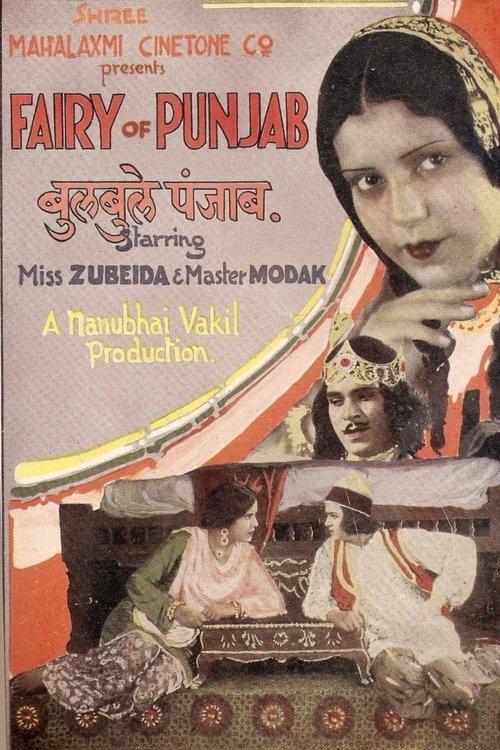

Krishna Sudama
A mythological tale tells the cherished tale of Lord Krishna, the divine king of Dwarka, and his impoverished childhood friend, Sudama. Despite their vastly different lives, their pure bond of friendship endures. The story portrays Sudama's reluctant visit to Dwarka and Krishna's miraculous, selfless blessing upon his devoted friend.


Rajrani Meera
Meera is immersed in her love and devotion to Lord Krishna since a young age. When she grows older, her family get her married to the Rana of Mewar. Misunderstandings occur when her devotional poetry is thought to be love songs for someone. Several hardships are inflicted on her by her husband and her in-laws. She takes to sitting in the temple and singing bhajans (sacred songs) composed by her. Her brother-in-law tries to have her killed many times, but fails. She finally renounces her life in the palace and wanders from place to place singing devotional songs.