All Movies (15339 results)

Ambikapathy
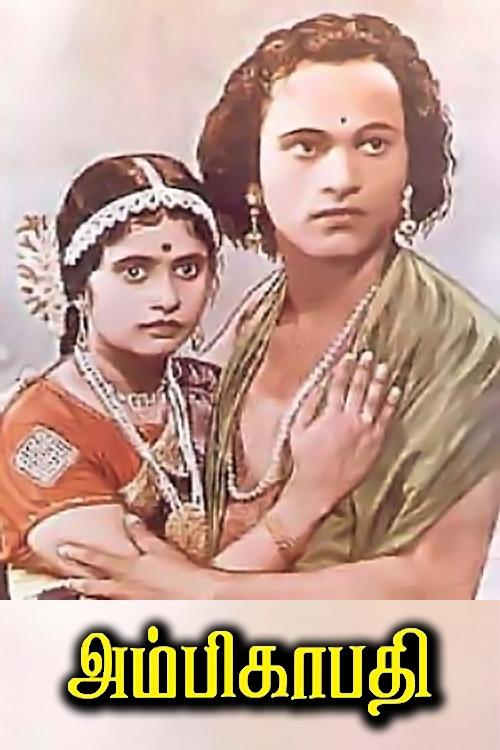
The film is based on a story set in the Chola Empire in year 1083 AD. The titular character in the story is Ambikapathy (M K. Thyagaraja Bhagavathar), the son of the Tamil poet Kambar (Serugulathur Sama) who is in love with the Chola princess and daughter of Kulothunga Chola, Amaravati (played by M. R. Santhanalakshmi). The king objects to their love and insists on testing Ambikapathy's literary mettle before judging his worth. The test given to Ambikapathi is that he should write and sing a hundred poems in the field of Puram (dealing with war and politics). The poems should not have any reference to the field of Aram (dealing of love and romance). Ambikapathi begins the test in the King's court with a Kadavul Vaazhthu (invocation to God). Amaravathi who is keeping the count, mistakes the invocation as a poem and counts it as poem number one.
Duniya Kya Hai
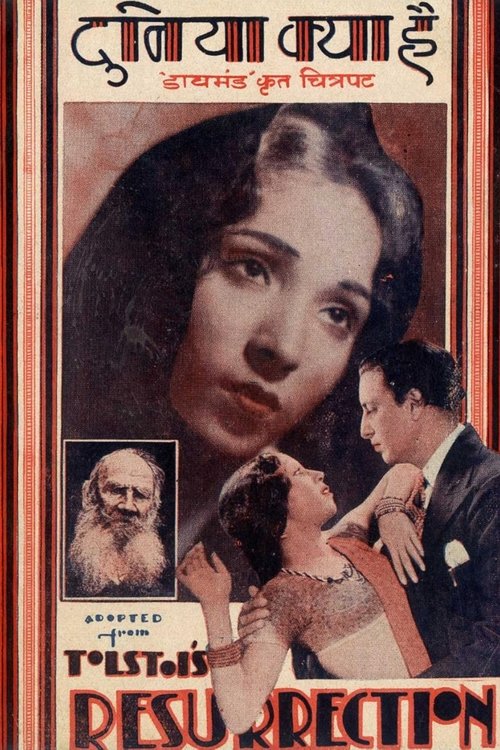
Based on Lev Tolstoy's Resurrection. An independent production by Lalita Pawar starring herself as a mistreated orphan called Lalita in this rare example of a melodrama drawn from a non-Indian literary source. Madhav (Kale), the son of the family, impregnates Lalita and promises to marry her on his return from Bombay. Years later, Madhav returns married, and refuses to recognise her. To feed her son, Lalita becomes a prostitute and is accused of a murder that takes place in the brothel. The prosecutor turns out to be Madha


Alibaba
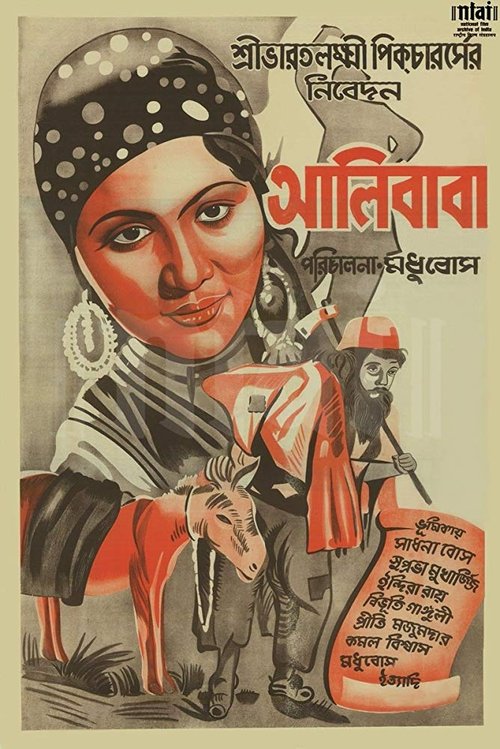
Based on the 'Arabian Nights', this film tells of the Baghdadi woodcutter Alibaba (M. Bose) and his magic 'Open Sesame' formula; of the hero's jealous brother Kasim and the slave girl Marjina (S. Bose). The film adapts the 1897 play, giving it a Hollywood-derived exotic flavour. An improvised 'modern' dance is inserted. The slow, mannered acting with the frontally framed tableau shots are enlivened by the dance scenes, especially the Marjina-Abdallah sequence.

His Highness
Queen Gulab is enraged when the throne bypasses her son for young Prince Kirit. Kirit is kidnapped during an outing with his bodyguard, Captain Dilip. Though Dilip is arrested, Ram and Rahim rescue the prince. The Queen persists in her schemes, even as a mysterious masked man repeatedly intervenes. She plots against the Minister, unaware that Princess Asha, Kala, Tiger, Bahadur, and Tommy are dedicated to protecting Kirit.


Hurricane Hansa
Hansa, daughter of Veer Singh, escapes an attack on her family by the villain Zalim Singh in which her mother is killed, her father injured and her sister Padma abducted. Growing up as a Harijan (an untouchable) she transforms the word to 'Hurricane', dons a mask and overthrows Zalim. She falls in love with Zalim's good son Diler. The horse Punjab-Ka-Beta features in its usual key role, rescuing Hansa when she hangs from a cliff, leaping over a wall of fire and aiding the love angle by nudging Diler into the pond where Hansa is having a bath.

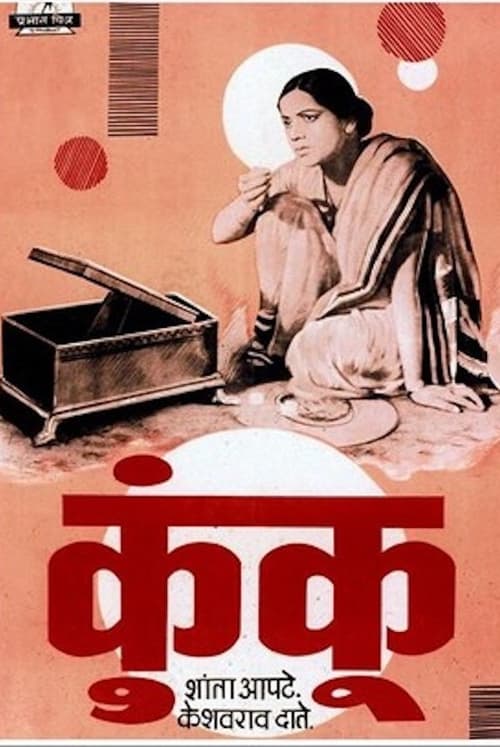
Kunku
Neera (Apte) is trapped into marrying an old widower Kakasaheb (Date). He is a progressive lawyer with a son and daughter of Neera's age. Neera refuses to consummate the union claiming that while suffering can be borne, injustice cannot. Neera faces many hurdles including her mother-in-law and a lascivious stepson Pandit (Nene).
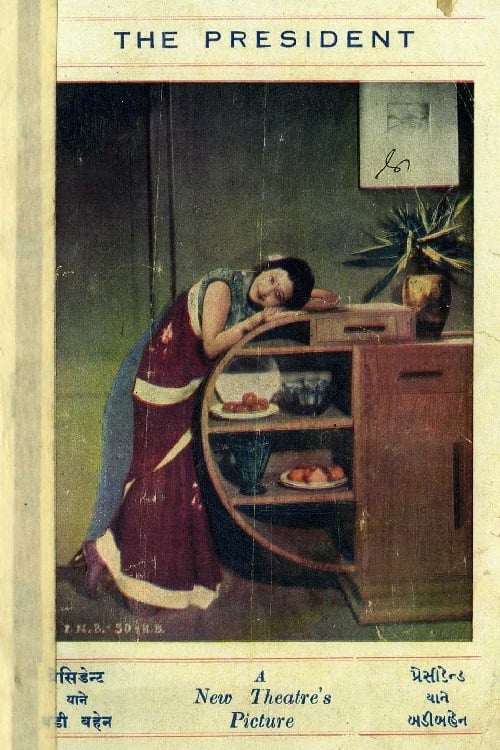
President
Badi Bahen aka President is a 1937 Hindi social romantic drama film (the Bengali version was called Didi and starred several different actors). The story according to the credit roll of the film is "A tale of love and greater love" developed on an idea by M. M. Begg. It was a love triangle with a social content that highlighted the conditions of the mill workers. It was also the first film to show a liberated educated woman managing her own factory


Pearl Necklace
"Moti Ka Haar" (1937), also known as "Pearl Necklace," is an early Hindi film directed by Jaddanbai, a pioneering woman in Indian cinema. Classified as both a fantasy and a social film, its plot likely explores the significance of a pearl necklace within a narrative that touches upon societal themes of the era. Featuring actors like Mehtab and a young Nargis, this film is a notable example from the nascent stages of Indian talkies.
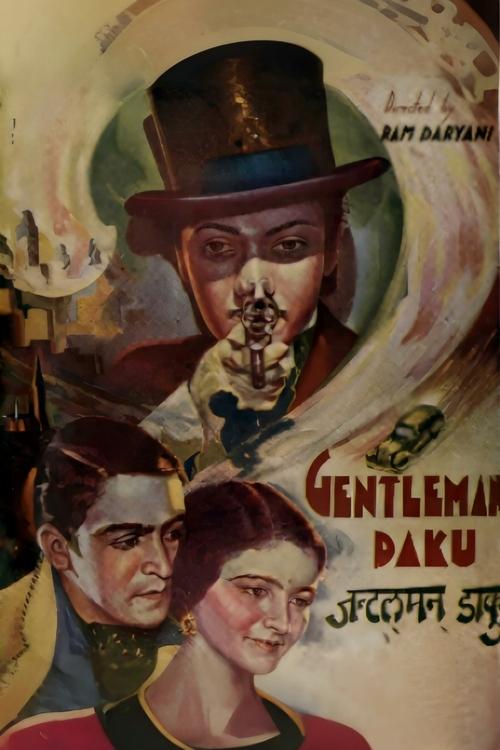
Gentleman Daku
The story follows a brave man who rescues a sweet girl from criminals, and they fall in love. An incident causes trouble, leading to consequences for the family and the criminals.
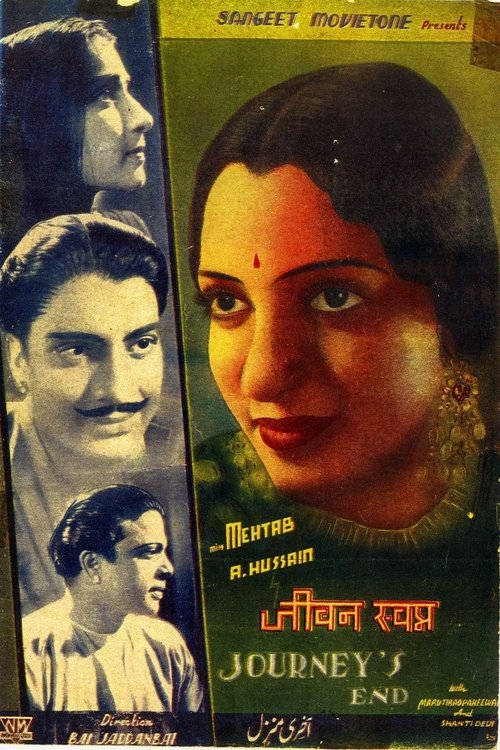
Jeevan Swapna
"Journeys End" a traditional tale told by one of the pioneers in Indian cinema, Jaddanbai Hussain (1892-1949).

Jeevan Prabhat
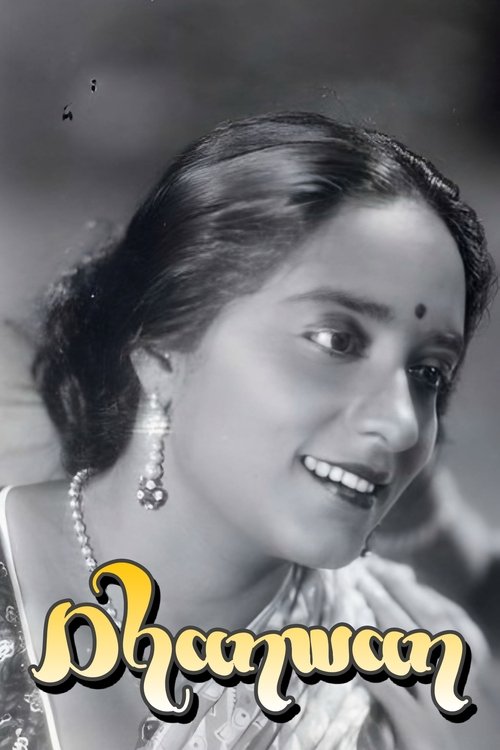
In this tale of rural caste divisions, polygamy is added to the theme in this story of Uma, born in an orthodox Brahmin family. To the despair of her parents she values her friendship with low-caste potters. Especially with Ranu. When she marries Nandlal, a man from her own caste, her potter friends are happy for her - until they learn that Nandlal is taking a second wife, Padma, with Uma's consent. The problem is that Uma is thought to be infertile. Uma returns to her parents' home mainly because Nandlal is paying no attention to his new wife, and when she returns she meets Ramu again. Nandlal overhears a conversation between Ramu and Uma and, when Uma suddenly discovers that she is pregnant after all, he doubts her fidelity.

Manmohan
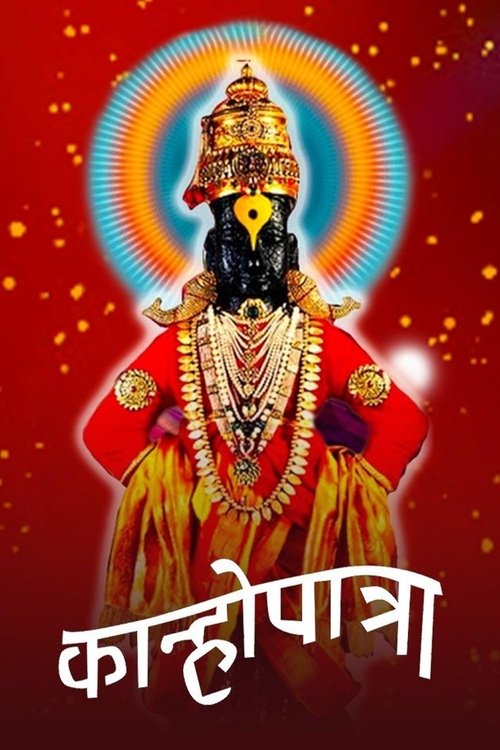
A social woman-centered film interrogating aspects of feudal patriarchy. The painter Ashok (Surendra) who loves the orphaned Vimala (Bibbo) is distressed to learn that she is due to marry Jagdish (Yakub). He paints Vimala's portraits with a frenzied obsession and becomes a famous artist. Paralleling this love story is the decline in Ashok's family fortunes.

Two Rogues
Motilal in the role of a doctor, wants to join the revolutionaries along with his girlfriend played by Shobhana Samarth. Both are opposed by their parents. The parents find it difficult to come to terms with what they consider as 'western influences' on their children in clothes and thinking. Several humorous situations arise in the process with everything finally ending to the satisfaction of both generations.