History Movies.
Explore our collection of history movies available on various streaming platforms.

Harakiri
Down-on-his-luck veteran Tsugumo Hanshirō enters the courtyard of the prosperous House of Iyi. Unemployed, and with no family, he hopes to find a place to commit seppuku—and a worthy second to deliver the coup de grâce in his suicide ritual. The senior counselor for the Iyi clan questions the ronin’s resolve and integrity, suspecting Hanshirō of seeking charity rather than an honorable end. What follows is a pair of interlocking stories which lay bare the difference between honor and respect, and promises to examine the legendary foundations of the Samurai code.
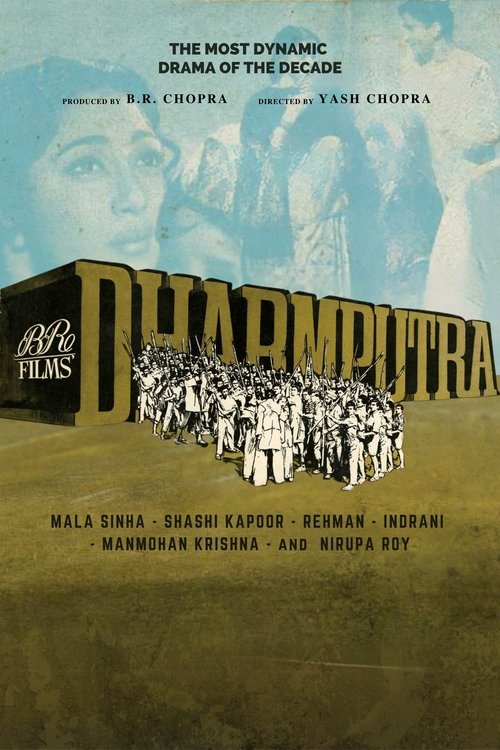


Spartacus
The rebellious Thracian Spartacus, born and raised a slave, is sold to Gladiator trainer Batiatus. After weeks of being trained to kill for the arena, Spartacus turns on his owners and leads the other slaves in rebellion. As the rebels move from town to town, their numbers swell as escaped slaves join their ranks. Under the leadership of Spartacus, they make their way to southern Italy, where they will cross the sea and return to their homes.
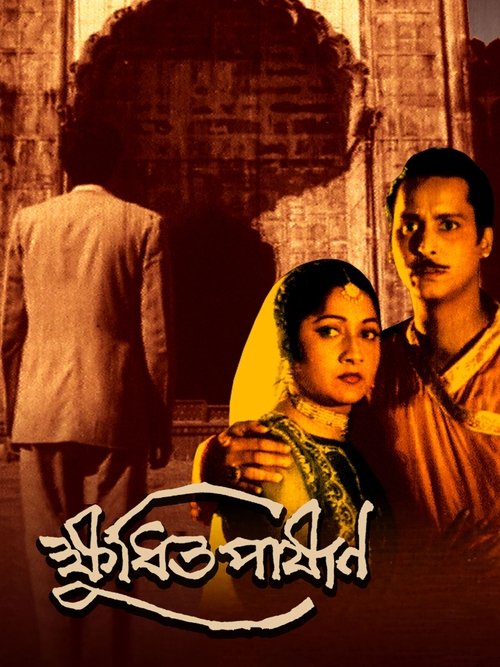
The Hungry Stones
A tax collector posted to a small town puts up at a mansion feared by the locals because it is haunted. As time passes he grows more consumed by the mansion and its air of romance, and the spirits that haunt it, especially a beautiful woman. Adapted from a Rabindranath Tagore story.
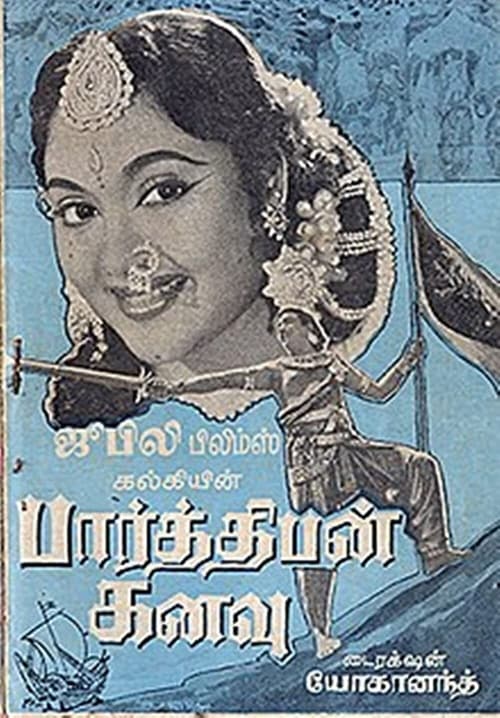
Parthiban Kanavu
7th century AD. Parthiban, the Chola King, dies in battle leaving incomplete his desire to be free from the yoke of the Pallavas. His son Vikraman (Gemini Ganesh) is determined to fulfill his father's dream. He is arrested by the Pallava king, Narasimhavarman and exiled to an island where he is chosen the king
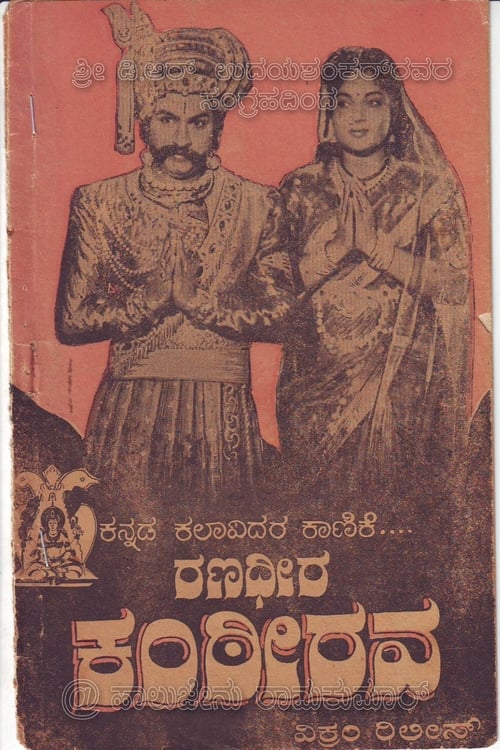
Ranadheera Kanteerava
Ranadheera Kanteerava is a 1960 Indian Kannada-language historical drama biographical film directed by the editor-turned-director N. C. Rajan and written by G. V. Iyer. It is one of the most popular films of acclaimed Kannada actor Rajkumar, who plays the role of an emperor Kanthirava Narasaraja I of the Wodeyar dynasty, Mysore, who was fondly named as Ranadheera Kantheerava. The film depicts the life of Kanteerava, who is known for his immense physical strength through wrestling. The film was credited to be one of the most authentic historical films made, since it was entirely based on the documents found in the Mysore Palace. The film also stars Udaykumar, Leelavathi, K. S. Ashwath and Sandhya in prominent roles.

Kadu Makrani
Kadu Makrani is a 1960 Gujarati historical fantasy film directed by Manhar Raskapur from India. The film tells the story of the historical figure Kadu Makrani, a bandit, fighting the British. The lead role was played by Arvind Pandya. The music was composed by Avinash Vyas. It was a commercial success.
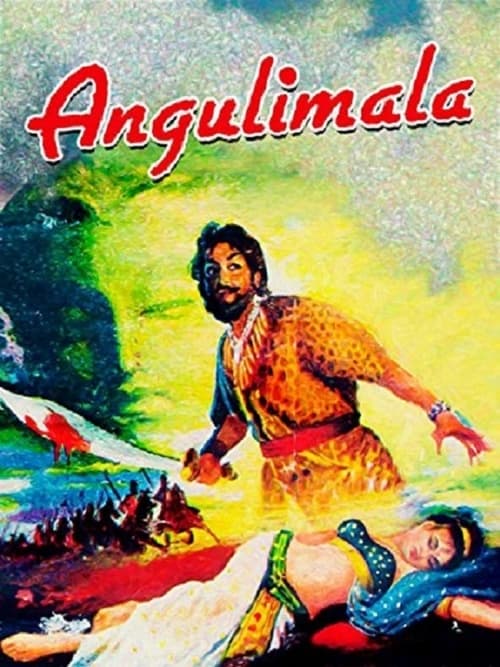
Angulimala
The tyrannical Angulimal (Bhushan), a bandit wearing a garland of severed human fingers and who engages in bloody mystical rituals to achieve divine power, eventually succumbs to the Buddha’s teachings. Nimmi played Angulimal’s lover.
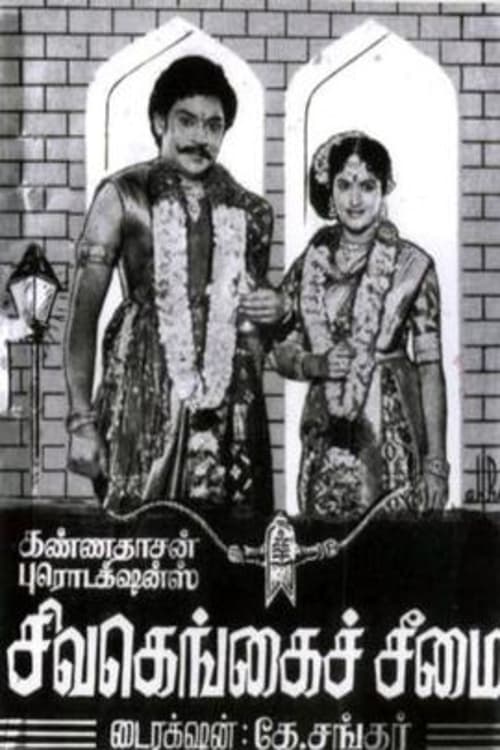


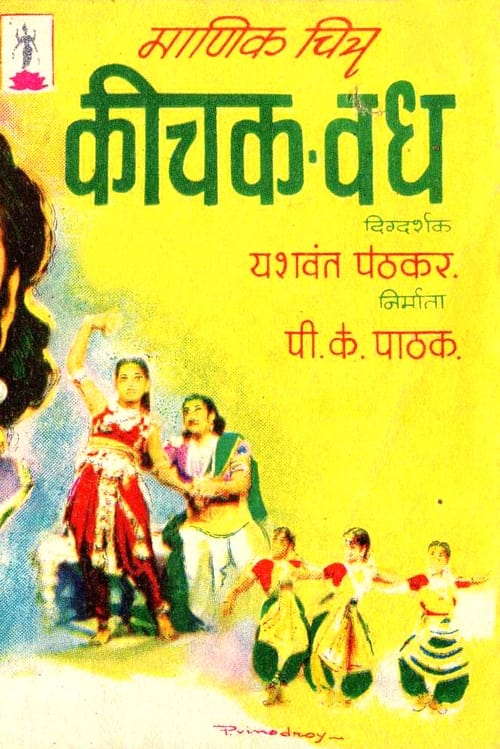
Keechak Vadh
An incident from Mahabharata wherein the Pandavas were exiled.


Pardesi
This first co-production of the Soviet and Indian cinematographers is dedicated to the Tver merchant Afanasy Nikitin who in 1466-1472 blazed the trade way from Europe to India. The film is based on Nikitin’s travel notes. Starring in the film are popular Russian actor Oleg Strizhenov and India’s 1950s movie star Nargis.


Patrani
The story is about King Karma Dev who gives a lot of importance to physical beauty. His mother, the Rajmata requests Mahamantri Munjal to find him a nice wife. Karma Dev often dreams of marrying an unknown beautiful woman he had once seen in the Somnath temple. Meanwhile, Mrinalla is the princess of Karnataka, who also dreams of marrying a king she had once seen in the Somnath temple. When Munjal happens to see the beautiful woman Mrinalla, he shows the King's portrait to her and she is happy to finally find the man of her dreams. So she runs away from the palace and searches for Karma Dev to marry him. Soon after, Munjal shows Mrinalla's painting to Karma Dev, who agrees to marry her. On the day of the marriage, the King finds out she is dark and refuses to marry her. After several incidents, Karma Dev realizes his mistake and at last he happily accepts Mrinalla as his Patrani.
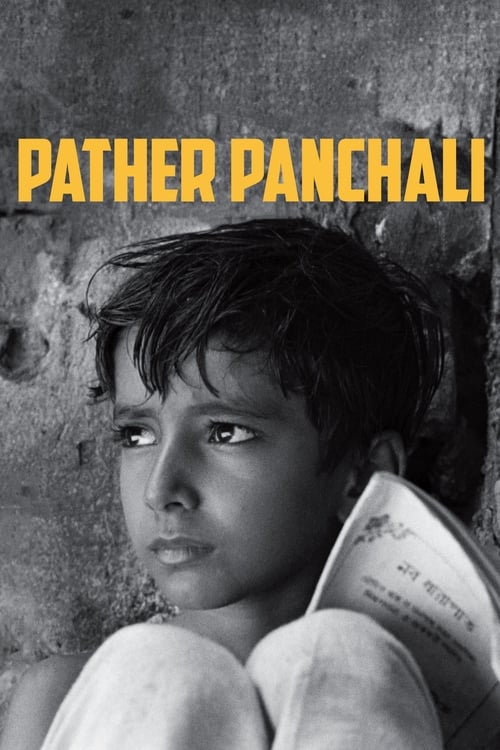
Pather Panchali
Impoverished priest Harihar Ray, dreaming of a better life for himself and his family, leaves his rural Bengal village in search of work. Alone, his wife, Sarbojaya, looks after her rebellious daughter, Durga, and her young son, Apu, as well as Harihar's elderly aunt Indir. The children enjoy the small pleasures of their difficult life, while their parents suffer the daily indignities heaped upon them.

Baaz
The Crown Prince of Malabar dallies with Rosita whilst his people suffer at the hands of cruel Portuguese colonists. Whilst voyaging on a Portuguese ship, the Prince is captured by patriots who are rebelling against the foreign invaders. They are led by a girl called Nisha known as "The Falcon" ("Baaz"). The Prince conceals his identity from Nisha and a romance blossoms between them. Together, they rouse the people, rout the Portuguese and free the Kingdom - but can a commoner marry a Prince ?

Bou Thakuranir Haat
Bou Thakuranir Haat is a Bengali drama film directed by Naresh Mitra based on a novel of Rabindranath Tagore in the same name, published in 1883. The film is based on the real-life story of Jessore Raj Pratapaditya. Pratapaditya is described as an antagonist more than a protagonist in this film.