Drama Movies.
Explore our collection of drama movies available on various streaming platforms.

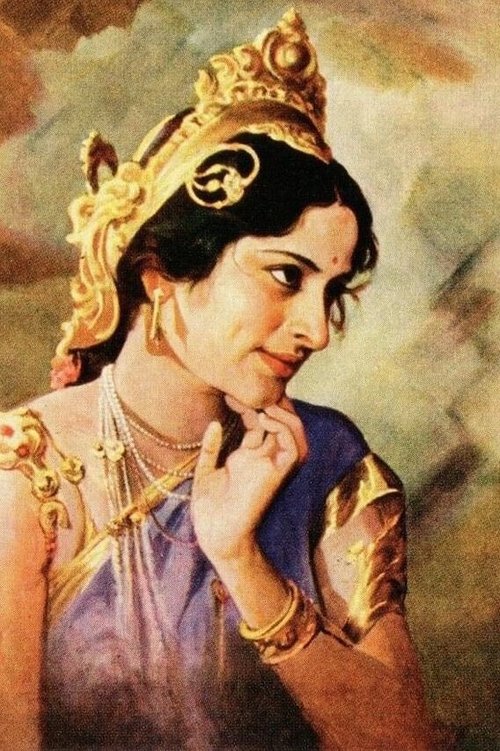
Usha
The demonic King Banasur, a devout disciple of Shiva, wants to eliminate Vishnu and his followers in the guise of Krishna, king of Dwarka and an incarnation of Vishnu. Krishna overcomes Banasur's designs by getting his daughter Usha to fall in love in with Aniruddha.
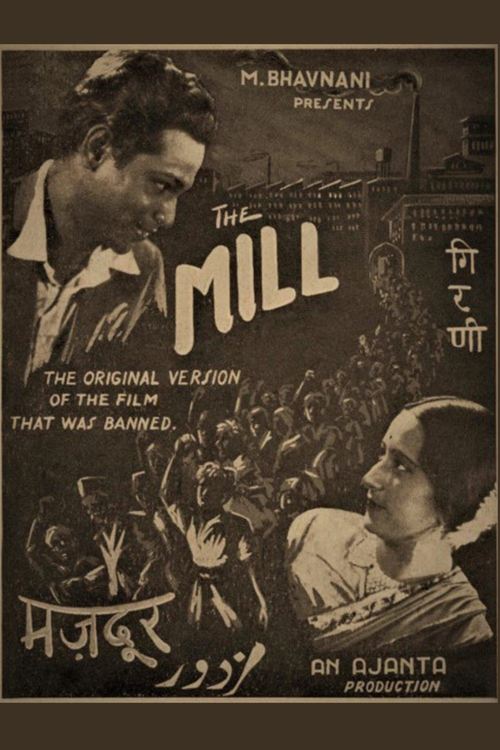
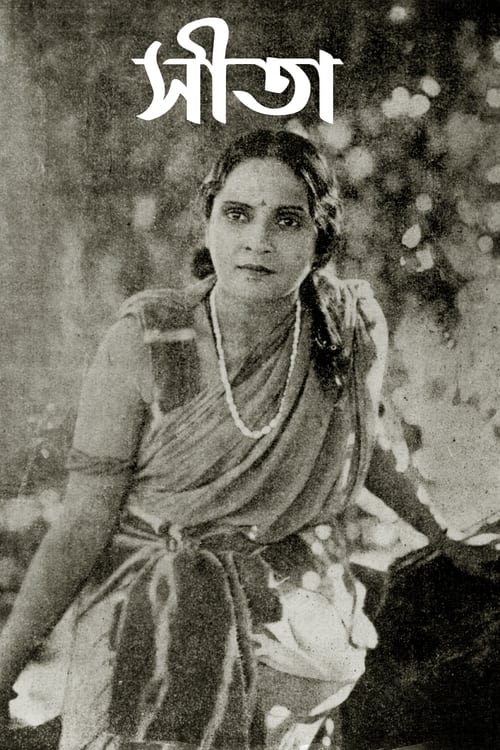
Seeta
Seeta was a 1933 Indian talkie Bengali film, directed by Debaki Bose and produced by the East India Film Company.[1] It won an honorary diploma in the 2nd Venice International Film Festival in 1934, becoming the first Indian talkie to be shown at an international film festival.

Dakshayagna
Dakshayagna is a pivotal tale in Hindu mythology. It recounts the grand sacrifice ritual organized by Daksha, where his daughter Sati, wife of Lord Shiva, tragically immolates herself due to her father's insult to her husband. Enraged by this, Shiva destroys the sacrifice, leading to the creation of the Shakti Pithas. This event also sets the stage for the reincarnation of Sati as Parvati, who later marries Shiva. The story is central to understanding the complexities of Hindu deities and their interactions.
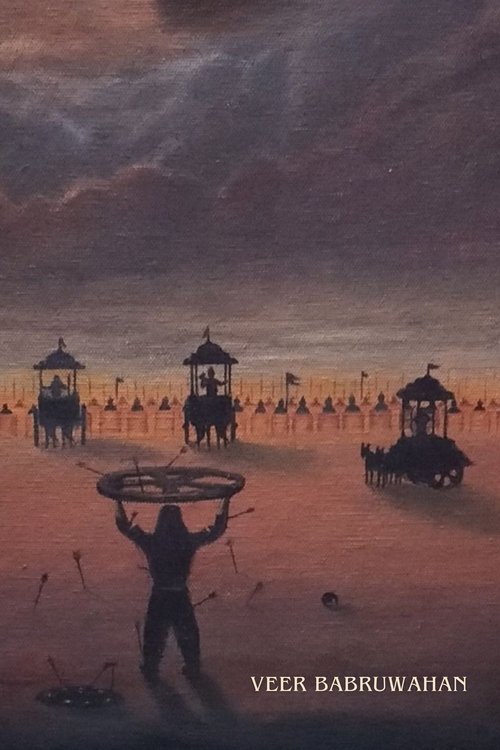
Veer Babruwahan
In this mythological tale, Babruwahan, son of Arjuna, returns from the Mahabharata war. He defiantly stops a horse from his father's army, leading to a battle in which he beheads Arjuna. As he prepares to commit suicide, Krishna appears, instructing him to retrieve the magical Sanjivani Mani from the land of the serpents to revive his father. This quest pits him against Ullupi, the serpent king's daughter and a former wife of Arjuna. When she surrenders the Mani but takes Arjuna's head instead, Krishna is forced to intervene to resolve the situation.
Gunsundari
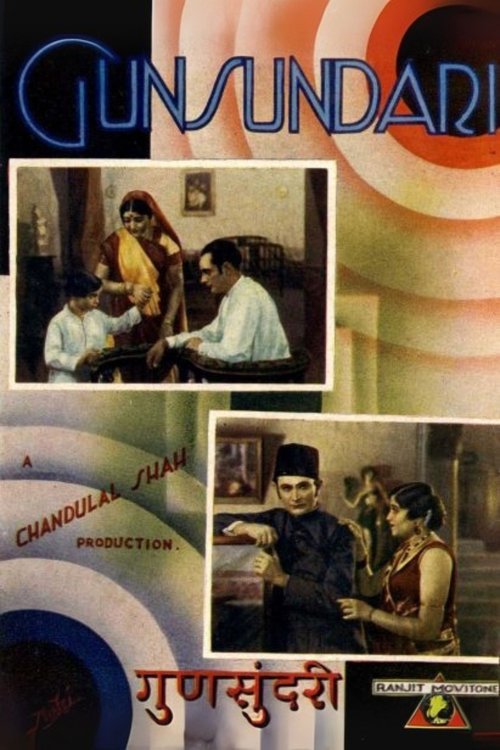
Gunsundari, the dutiful wife, acts as savior for her troubled joint family. Her father-in-law Shyamaldas battles alcoholism and accusations, while her husband Chandrakant falls prey to villains and a prostitute, losing his property. Gunsundari also aids her sister-in-law Sushila through marital woes, facing personal trouble due to a secret. Destitute, she eventually reunites with a similarly down-on-his-luck Chandrakant on the streets. A coincidence ultimately reveals Shyamaldas left his property to his estranged son, leading to a happy ending.

Finishing School
Virginia, who studies at a boarding school for upper-class girls, falls in love with a medical intern who works as a waiter for a living. Both the director of the school and her mother oppose such a relationship.
The Lure of the City
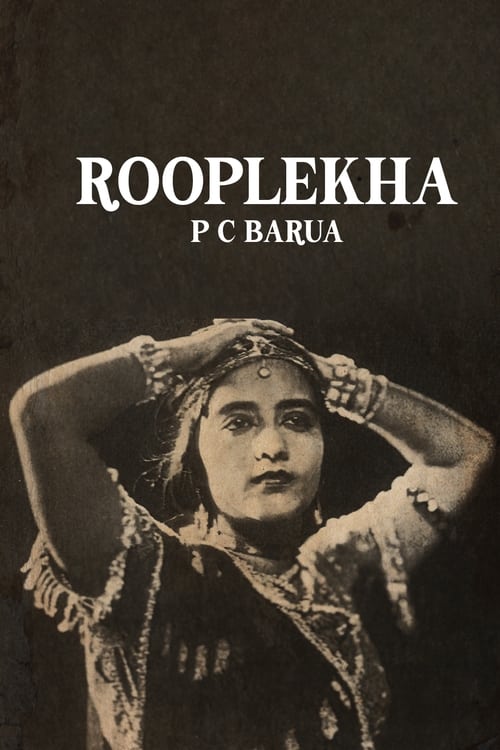
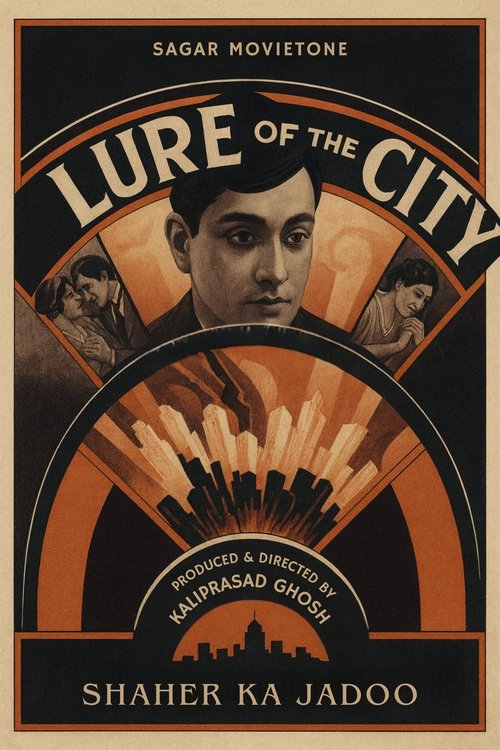
Sundarlal abandons his wife, Lalita, and children to pursue a living in the city, where he succumbs to a life of depravity. After their son dies, their daughter, Saju, defends her virtue and supports her mother in extreme poverty. Disguised as a man, she searches the city for her father with the help of a blind man, Baldev. Saju falls in love with a drunken millionaire she rescues, who mistakes her for a boy.

Sitamgarh
The tyrannical Jabbar attacks a village and kidnaps the son of the devout Sayyed, named Iqbal. Raised by his captor, Iqbal becomes a tyrannical commander in Jabbar's army, forcing people to accept Jabbar as their god. During a campaign, he meets a group of "true" religious believers led by Sadiq, his daughter Sadika, and Princess Hamida. Hamida falls in love with Iqbal, much to the dismay of her suitor, Shaddad. As the plot unfolds, Iqbal learns of his true ancestry and is faced with a profound choice.
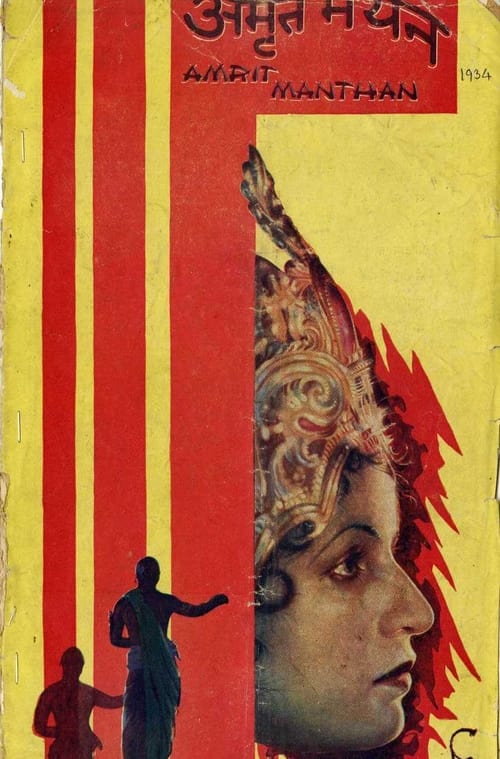
Amrit Manthan
This classic opens with a sensational low-angle circular track movement as Chandika cult followers meet in a dungeon of flickering lights and deep shadow. As the more rationalist King Krantivarma (Varde) banned human or animal sacrifices from the increasingly fanatical festivals dedicated to the goddess, the cult's high priest (Chandramohan/Date) orders the hapless Vishwagupta (Kelkar) to kill the king.


Rajrani Meera
Meera is immersed in her love and devotion to Lord Krishna since a young age. When she grows older, her family get her married to the Rana of Mewar. Misunderstandings occur when her devotional poetry is thought to be love songs for someone. Several hardships are inflicted on her by her husband and her in-laws. She takes to sitting in the temple and singing bhajans (sacred songs) composed by her. Her brother-in-law tries to have her killed many times, but fails. She finally renounces her life in the palace and wanders from place to place singing devotional songs.

Lal-e-Yaman
Oriental fantasy derived from classic Parsee theatre. The heir to the Yemeni throne, Prince Parviz, is falsely imprisoned by his stepmother who claims power. Parviz receives a magic dagger from a mystic sufi fakir to liberate himself and his people. The dagger makes him invisible. He kills the Apeman and the genii, rescues the captive Princess Parizad and, finally, overwhelms the soldiers sent to recapture him. The king learns the truth and repents.


Aurat Ka Pyaar
Film starring Ali Athar and Anwari Begum.
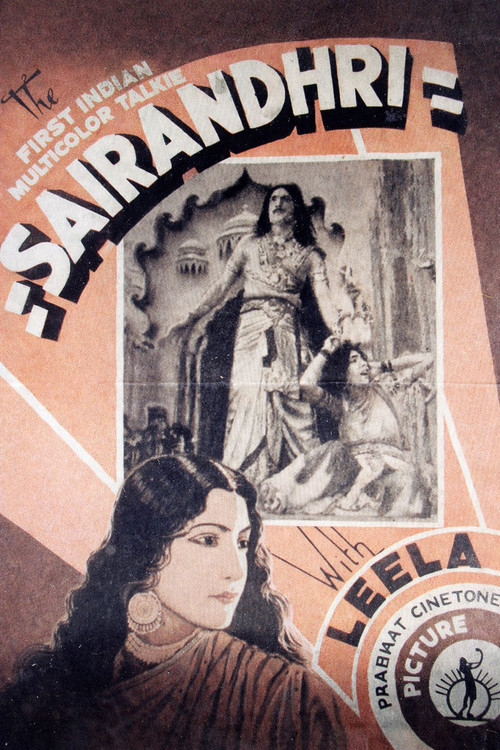
Sairandhri
Set during the Pandavas’ exile in the Mahabharata, the story focuses on Draupadi living incognito as a maid-in-waiting named Sairandhari in King Virata’s palace. The arrogant Keechak becomes obsessed with her, prompting Bhima (disguised as a cook) to intervene and kill Keechak to protect her honor.

Chandidas
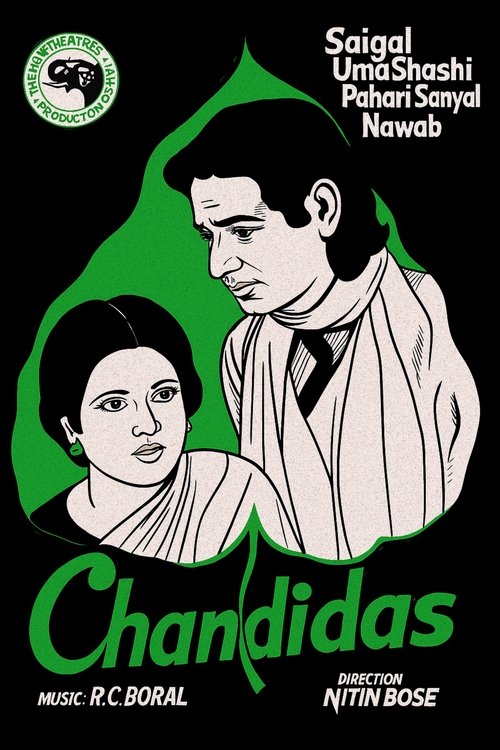
This film is about Chandidas, a legendary 15th-C. Bengali Vaishnavite poet whose biography remains obscure but was an influence on the better documented Chaitanya (1486-1533), a school teacher who promoted the Vaishnavite ideology in Bengal, mostly through hymns about the Radha-Krishna legend.

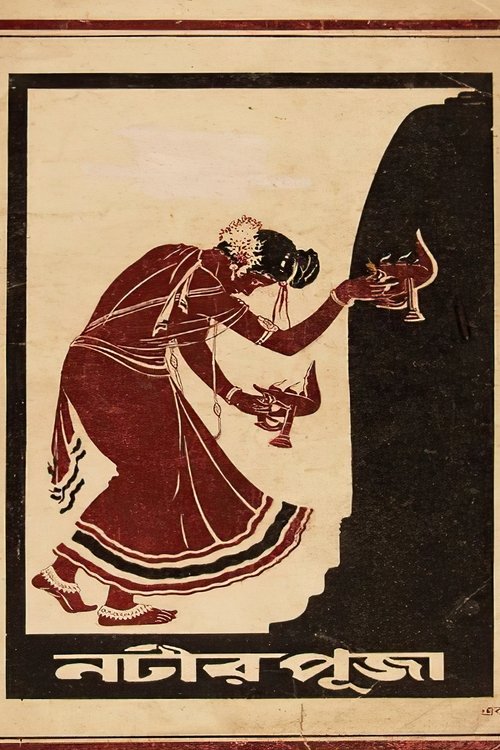
Natir Puja
A simple recording of Tagore's 1926 dance drama on Buddhist legend.

Narasinh Mehta
The first Gujarati feature film is a saint film about the life of Narasinh Mehta (1408-75), played by Master Manhar. Mehta is known for his evocative Prabhatiyan (morning hymns) and especially for his composition Vaishnava jana to ('The Vaishnav is he who knows the pain of others') made popular by Gandhi, who also adapted the poet's term Harijan (children of god) for the nation's Untouchables. The film adheres to the Gandhian interpretation of Narasinh Mehta's work, avoiding e.g. miracle scenes.