💔 Emotional Movies (7330 results)
Clear all filters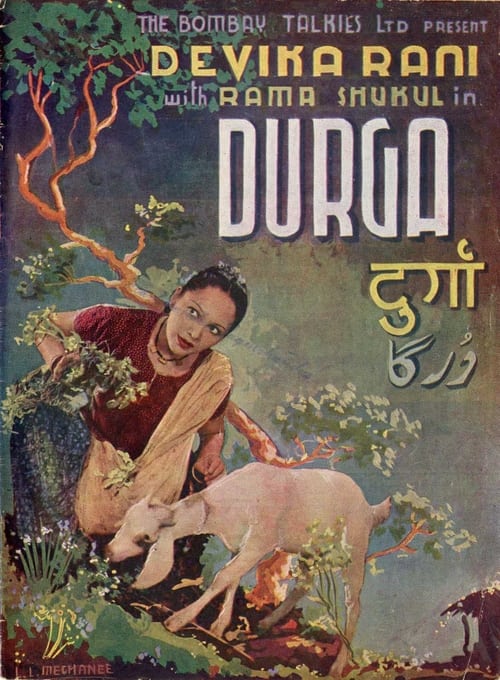
Durga
Rural melodrama about Durga, an adolescent child of nature, living with her aged mother Heera. Unable to get the medicine required to prevent her mother's death, one misfortune after another befalls the heroine in spite of the sympathies of the newly arrived village doctor, Jawahar.

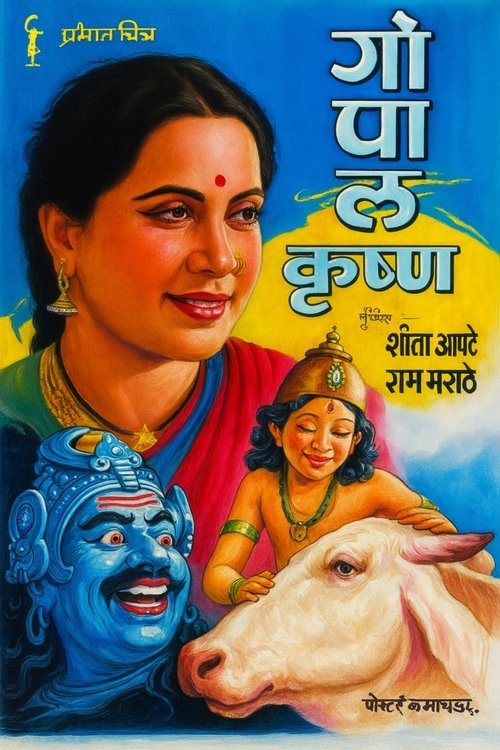
Gopal Krishna
This mythological tells of the playful child Krishna (Marathe) and his battle against the evil King Kamsa (Ganpatrao) who rules the city of Gokul. The stories, mainly from the popular 'Bhagvat' and 'Vishnu Purana', also show Krishna vanquishing Keshi (Haribhau), Kamsa's general who arrives in disguise to capture him. Finally, when Kamsa unleashes rain and flood over the city (in a departure from the original legend where Indra caused the natural disaster), Krishna raises the mountain Govardhan over the people to protect them.
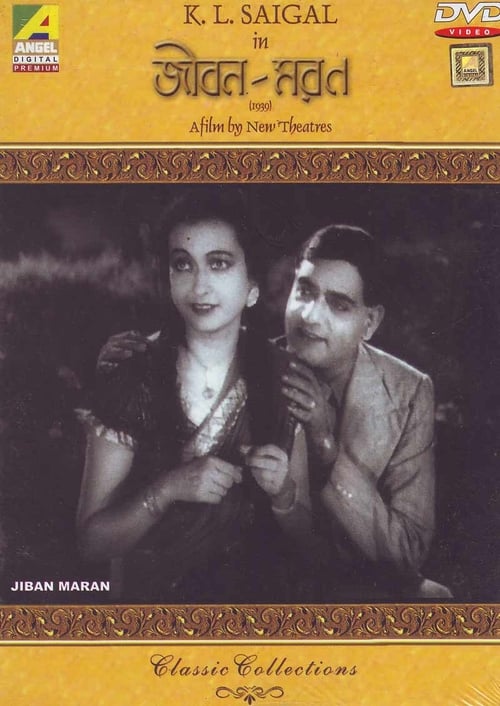
Jiban Maran
A famous radio singer Mohan (Saigal) is in love with Geeta (Leela Desai). When he goes to his friend a doctor, TB Specialist, Bijoy (Bhanu) for a check-up, he is found to be in an advance stage of TB. Meanwhile Leela's dominant mother and aunt (Nibhanani and Manorama) had been against the poor Mohan and had set their eyes on same Dr. Bijoy, the son of a family friend. When Mohan comes to know of it, and also his sickness, he decides to walk away from them. He is intercepted by a doctor who ran a sanatorium for TB patients, with some new method of treatment. Geeta couldn't forget Mohan and waited, but in the end she had to relent. Then it was known that Mohan was alive and cured. What would now Bijoy and Geeta do? There wedding was the next day, and they have to go ahead with it, the honour of both the families were at stake. Mohan too aware of his being exposed, disappears from the sanatorium and is untraceable.
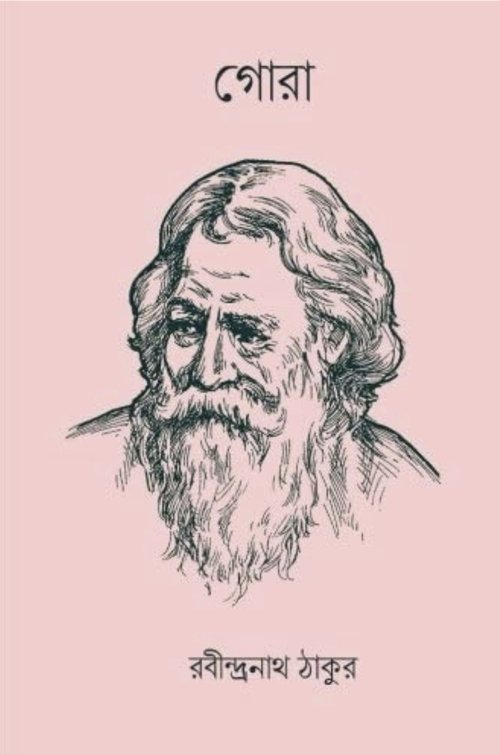
Gora
Gora and Mahim were two sons of Krishna Dayal Babu. From childhood, Bijay and Gora were friends. Through an accident, Bijay was introduced to Paresh Babu's family. Paresh was a Bramhin. So Gora did not like Bijay's visit to that house. Gora's mother was very anxious about Gora's Hindusim. Krishna Dayal was also very annoyed being an orthodox Hindu. As per his father's request, Gora went to Paresh Babu's house. Paresh babu's wife Bhadra Sundari was not happy seeing Gora there. But Gora had a real conflict with Haran Babu. The marriage of Haran Babu and Suchitra was almost fixed. The reason of the conflict was that, Haran Babu always thought of himself to be a social reformer and saviour of Brahma religion.
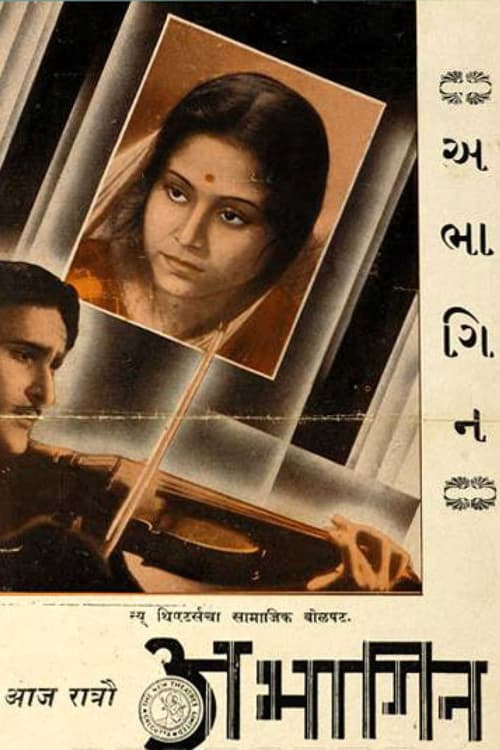
Abhagin
A tenant attacks the villainous landlord Jawaharlal Choudhry, injures his son Priyalal and abducts his daughter-in-law Sandhya. Sandhya escapes unharmed to her relative, the engineer Praksh, but her father-in-law refuses to take her back, believing her to be 'damaged goods'. Sheltered by the kindly Promode, her husband eventually accepts her back although she feels torn between affection for her savior and her marital obligations.

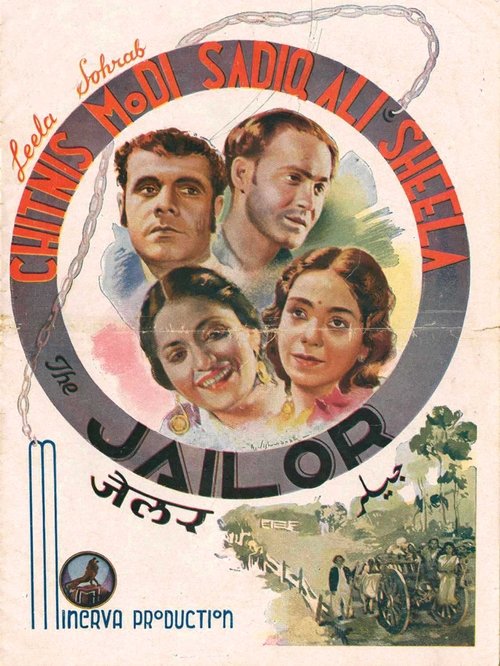
Jailor
Modi's first psychodramatic role as a liberal man becoming a tyrannical jailer. He loses his wife to a lover who then goes blind. The jailer locks up his wife, Kanwal, in their own home, forbidding any contact with their child, Bali. Later the jailer himself falls in love with a blind woman.
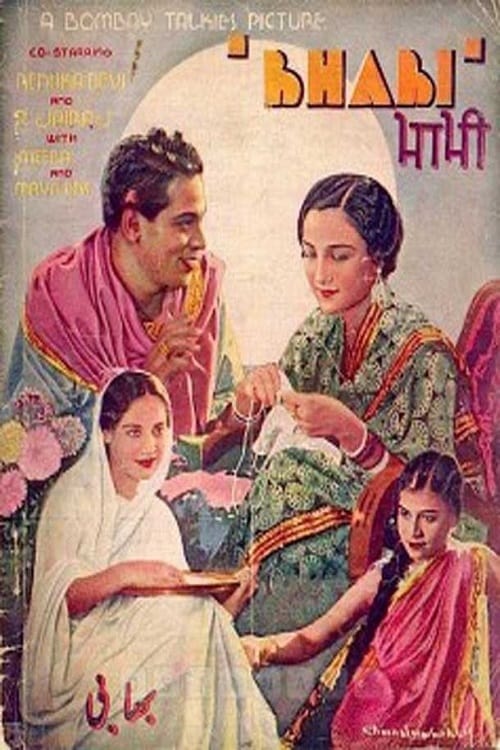
Bhabhi
The film is family social drama, which deals with the issue of young widows. It put a special focus on the Indian society's attitude towards them, and society's bigoted approach to "man- woman relationships"
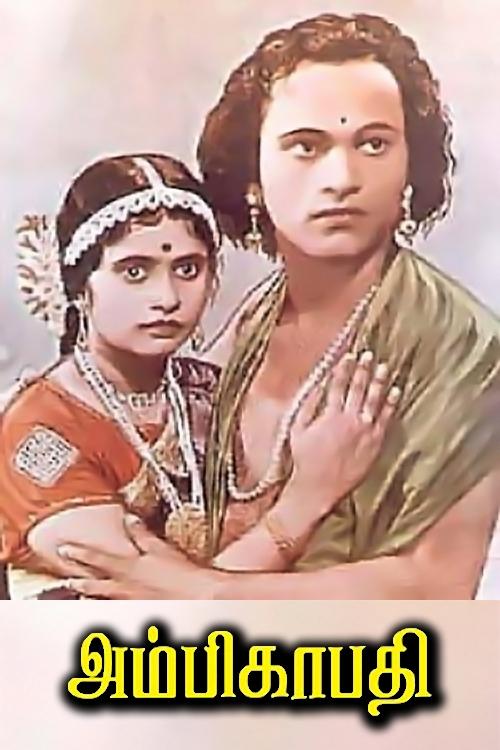
Ambikapathy
The film is based on a story set in the Chola Empire in year 1083 AD. The titular character in the story is Ambikapathy (M K. Thyagaraja Bhagavathar), the son of the Tamil poet Kambar (Serugulathur Sama) who is in love with the Chola princess and daughter of Kulothunga Chola, Amaravati (played by M. R. Santhanalakshmi). The king objects to their love and insists on testing Ambikapathy's literary mettle before judging his worth. The test given to Ambikapathi is that he should write and sing a hundred poems in the field of Puram (dealing with war and politics). The poems should not have any reference to the field of Aram (dealing of love and romance). Ambikapathi begins the test in the King's court with a Kadavul Vaazhthu (invocation to God). Amaravathi who is keeping the count, mistakes the invocation as a poem and counts it as poem number one.
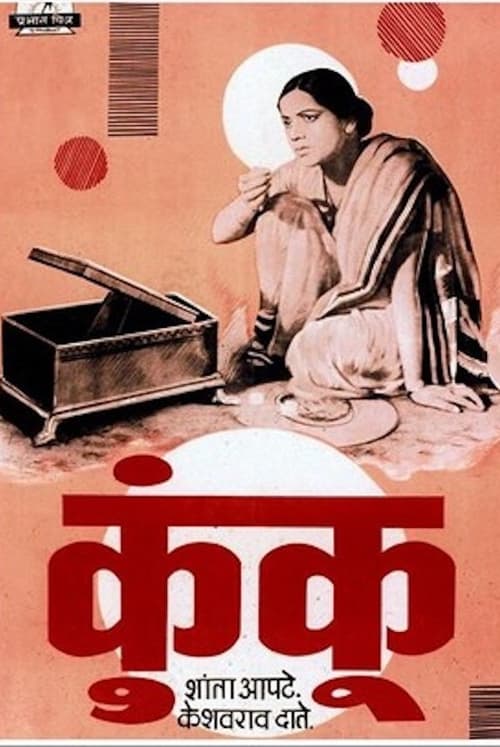
Kunku
Neera (Apte) is trapped into marrying an old widower Kakasaheb (Date). He is a progressive lawyer with a son and daughter of Neera's age. Neera refuses to consummate the union claiming that while suffering can be borne, injustice cannot. Neera faces many hurdles including her mother-in-law and a lascivious stepson Pandit (Nene).
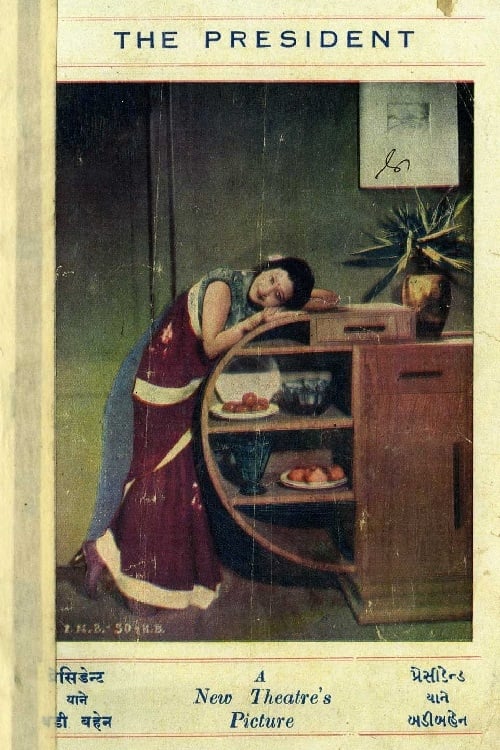
President
Badi Bahen aka President is a 1937 Hindi social romantic drama film (the Bengali version was called Didi and starred several different actors). The story according to the credit roll of the film is "A tale of love and greater love" developed on an idea by M. M. Begg. It was a love triangle with a social content that highlighted the conditions of the mill workers. It was also the first film to show a liberated educated woman managing her own factory

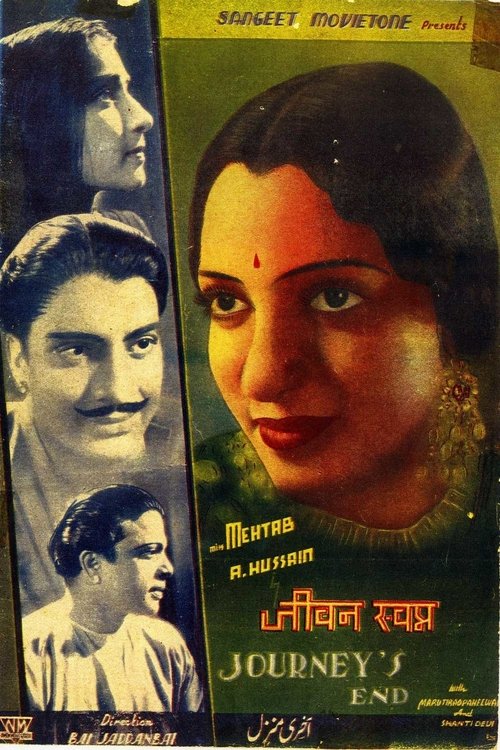
Jeevan Swapna
"Journeys End" a traditional tale told by one of the pioneers in Indian cinema, Jaddanbai Hussain (1892-1949).
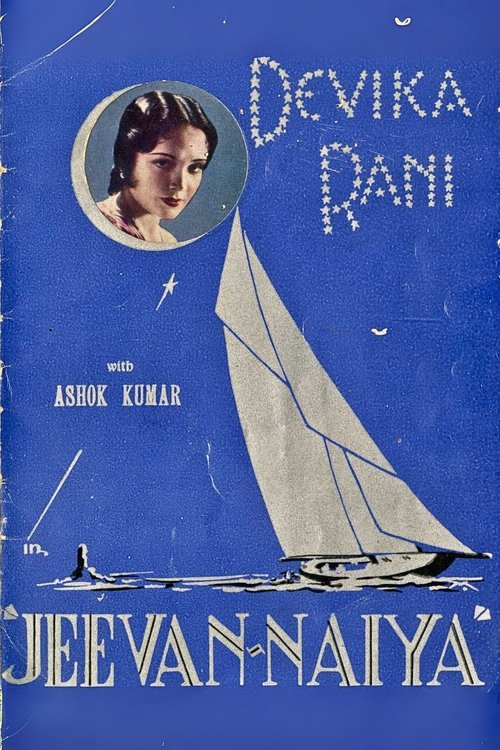
Jeevan Naiya
Lata, daughter of a dancing girl, is brought up by social worker Mathuradas and is engaged to marry the rich Ranjit when the villain Chand arrives to blackmail her with her undisclosed ancestry. Lata is forced to disclose the truth to Ranjit and the assembled wedding guests. Ranjit disowns her but they are reunited when Ranjit, blinded by an explosion, is nursed back to health by a devoted woman who turns out to be his wife.
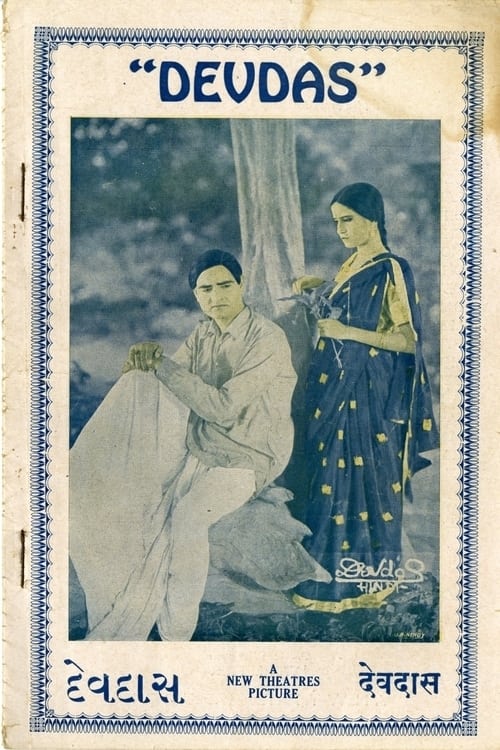
Devdas
Devdas, the son of a zamindar, and Parvati, his neighbour's daughter, are childhood sweethearts. However, class and caste differences prevent their marriage. Devdas is sent off to Calcutta, while Paro is married off to an aged rich widower. In Calcutta, as remorse drives him to alcohol, Devdas meets Chandramukhi, a tawaif.