💔 Emotional Movies (1631 results)
Clear all filters



Rishte Naate
Thakur Narendrapal Singh is a generous and kind-hearted landlord and zamindar. He has a daughter Kalpana and a son Raja. Distrusting his son and his new wife, Roopa, he asks a village laborer, Sunder who is honest, loyal and hardworking, to marry his daughter. In this manner, Sunder and Kalpana get married, and soon Kalpana gives birth to a daughter. Tragically Kalpana passes away, and the Thakur, Sunder, and the child are devastated. The Thakur asks Sunder to get married to Savitri, who is the daughter of his childhood friend, the local Collector. He hopes that in this manner the child will get the love of a mother. Sunder reluctantly agrees, and soon Savitri and he get married. Savitri is unable to win the love of the child nor does she get any affection from Sunder, as he is unable to get Kalpana out of his mind and thoughts. In the meantime, Roopa's dad is plotting the death of Sunder, so that his daughter can take over the wealth of the Thakur after his death.

Benazir
Sibling rivalry abounds in this film about two privileged brothers, Anwar and Nawab, and the women who come between them. Nawab, although a married man and father, engages in frequent secret rendezvous with his mistress, Benazir. Meanwhile, Anwar declares his love for a woman named Shahida, whom he desires to wed. So when Nawab witnesses Anwar in the arms of the lovely Benazir, he's outraged -- and puzzled -- by the brotherly betrayal.
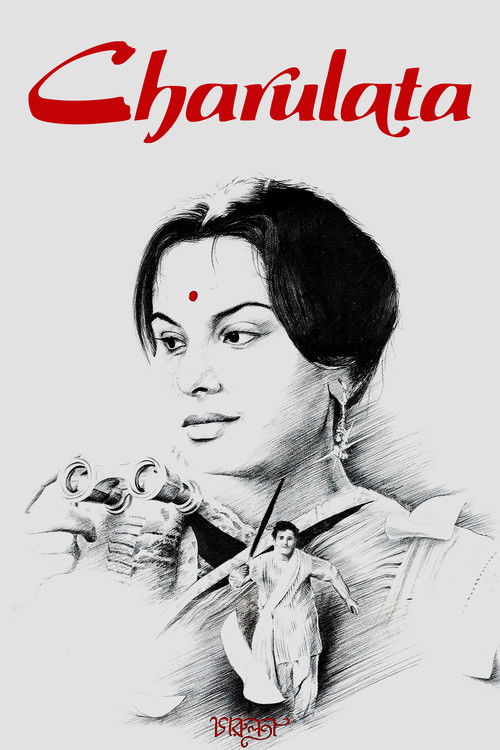
Charulata
In 1870s India, Charulata is an isolated, artistically inclined woman who sees little of her busy journalist husband, Bhupati. Realizing that his wife is alienated and unhappy, he convinces his cousin, Amal, to spend time with Charulata and nourish her creative impulses. Amal is a fledgling poet himself, and he and Charulata bond over their shared love of art.





Kanchenjungha
Played out in real time, several complex family dramas intersect in the landscape of the Himalayan foothills, allowing the Bengali auteur to examine the class and generational differences of postcolonial India while celebrating the hopes of a society in transition.

Hansuli Banker Upakatha
Set in 1941, the film delves into the complexities of rural life in Bengal. It sheds light on the oppressive Zamindari system, a social structure that perpetuates inequality and suffering. By exploring the lives of individuals caught within this system, the film offers a poignant commentary on the changing social dynamics and the growing discontent that would ultimately lead to significant transformations.

Eleven Thousand Girls
Gyara Hazar Ladkian is a 1962 Indian Hindi-language romantic social drama film directed by K. A. Abbas. The film was co-produced by the poet Ali Sardar Jafri, who also helped co-write the story with Abbas. Produced under the Film Friends banner, it had music by N. Datta. The director of photography was Ramchandra

Main Chup Rahungi
When Kamal Kumar meets the young, beautiful Gayatri on a train he instantly falls in love, and despite the fact that he is the son of a wealthy landowner, Rattan Kumar, and she the daughter of a farmer, Narayan, he convinces her to marry him. But when Kamal has to go to Singapore for business, his father finds out about the wedding and makes Gayatri swear she will never reveal her relationship with Kamal to anyone. When Gayatri discovers she is pregnant with Kamal's child, she and her father are forced to leave the village.