💔 Emotional Movies (1267 results)
Clear all filters
Holi
The evil Chand (Motilal) and his rich father Mangaldas (Date) persecute the nice Sunder (Ishwarlal): he kidnaps Sunder's sister Kokila (Khursheed) and frames him for theft. Sunder is jailed. The abducted Kokila succumbs to the villain's charms and her love reforms him. When released, Sunder, unaware of the fact that his enemy has reformed, seeks revenge on the very day that Chand and Kokila are to marry.
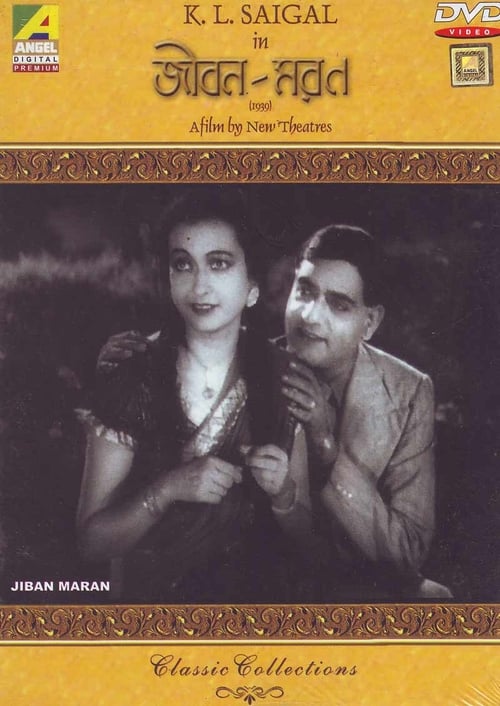
Jiban Maran
A famous radio singer Mohan (Saigal) is in love with Geeta (Leela Desai). When he goes to his friend a doctor, TB Specialist, Bijoy (Bhanu) for a check-up, he is found to be in an advance stage of TB. Meanwhile Leela's dominant mother and aunt (Nibhanani and Manorama) had been against the poor Mohan and had set their eyes on same Dr. Bijoy, the son of a family friend. When Mohan comes to know of it, and also his sickness, he decides to walk away from them. He is intercepted by a doctor who ran a sanatorium for TB patients, with some new method of treatment. Geeta couldn't forget Mohan and waited, but in the end she had to relent. Then it was known that Mohan was alive and cured. What would now Bijoy and Geeta do? There wedding was the next day, and they have to go ahead with it, the honour of both the families were at stake. Mohan too aware of his being exposed, disappears from the sanatorium and is untraceable.
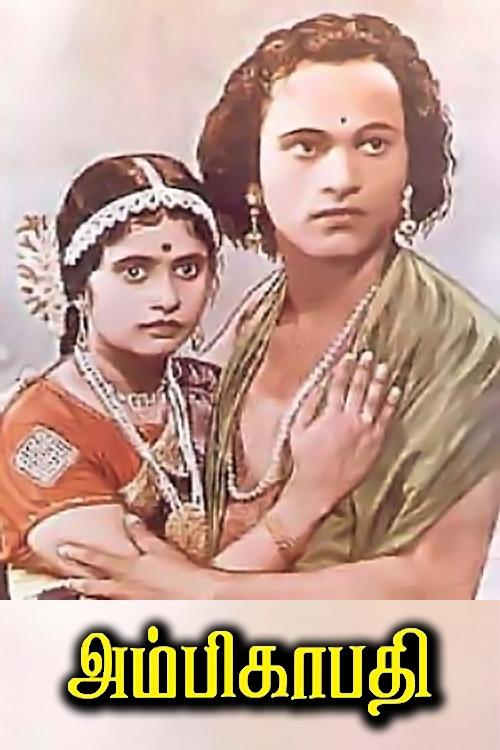
Ambikapathy
The film is based on a story set in the Chola Empire in year 1083 AD. The titular character in the story is Ambikapathy (M K. Thyagaraja Bhagavathar), the son of the Tamil poet Kambar (Serugulathur Sama) who is in love with the Chola princess and daughter of Kulothunga Chola, Amaravati (played by M. R. Santhanalakshmi). The king objects to their love and insists on testing Ambikapathy's literary mettle before judging his worth. The test given to Ambikapathi is that he should write and sing a hundred poems in the field of Puram (dealing with war and politics). The poems should not have any reference to the field of Aram (dealing of love and romance). Ambikapathi begins the test in the King's court with a Kadavul Vaazhthu (invocation to God). Amaravathi who is keeping the count, mistakes the invocation as a poem and counts it as poem number one.


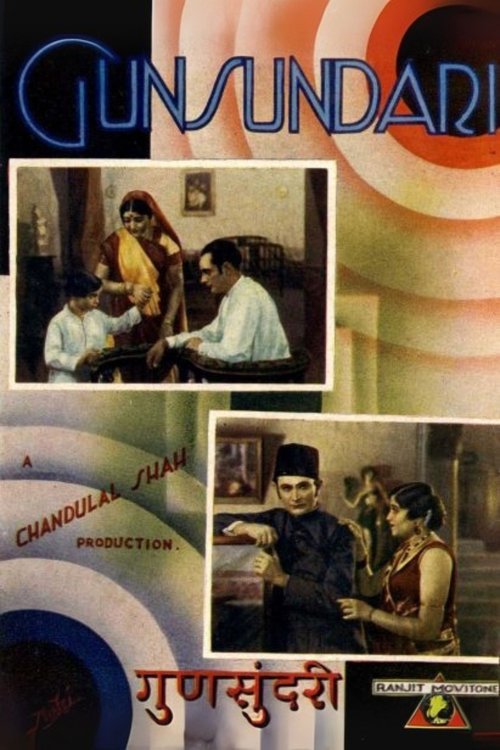
Gunsundari
Gunsundari, the dutiful wife, acts as savior for her troubled joint family. Her father-in-law Shyamaldas battles alcoholism and accusations, while her husband Chandrakant falls prey to villains and a prostitute, losing his property. Gunsundari also aids her sister-in-law Sushila through marital woes, facing personal trouble due to a secret. Destitute, she eventually reunites with a similarly down-on-his-luck Chandrakant on the streets. A coincidence ultimately reveals Shyamaldas left his property to his estranged son, leading to a happy ending.

Sitamgarh
The tyrannical Jabbar attacks a village and kidnaps the son of the devout Sayyed, named Iqbal. Raised by his captor, Iqbal becomes a tyrannical commander in Jabbar's army, forcing people to accept Jabbar as their god. During a campaign, he meets a group of "true" religious believers led by Sadiq, his daughter Sadika, and Princess Hamida. Hamida falls in love with Iqbal, much to the dismay of her suitor, Shaddad. As the plot unfolds, Iqbal learns of his true ancestry and is faced with a profound choice.
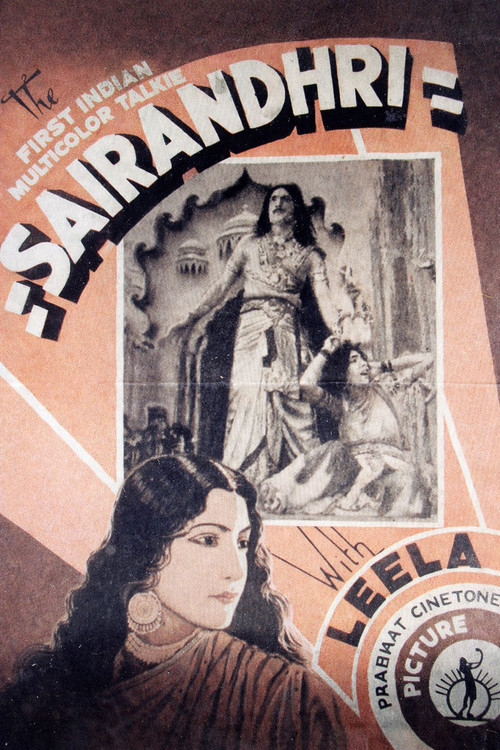
Sairandhri
Set during the Pandavas’ exile in the Mahabharata, the story focuses on Draupadi living incognito as a maid-in-waiting named Sairandhari in King Virata’s palace. The arrogant Keechak becomes obsessed with her, prompting Bhima (disguised as a cook) to intervene and kill Keechak to protect her honor.

Narasinh Mehta
The first Gujarati feature film is a saint film about the life of Narasinh Mehta (1408-75), played by Master Manhar. Mehta is known for his evocative Prabhatiyan (morning hymns) and especially for his composition Vaishnava jana to ('The Vaishnav is he who knows the pain of others') made popular by Gandhi, who also adapted the poet's term Harijan (children of god) for the nation's Untouchables. The film adheres to the Gandhian interpretation of Narasinh Mehta's work, avoiding e.g. miracle scenes.
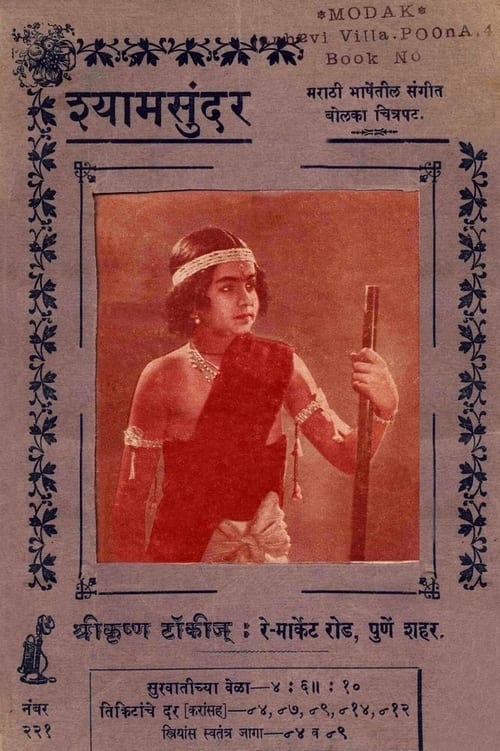
Shyam Sundar
Children's mythological drawn from the Vishnu Purana telling of the child Krishna (Modak). The film intercuts Krishna's rural escapades with Pendya and other childhood friends with palace intrigues in Mathura, where Kans receives a divine warning that the boy Krishna shall be the cause of his death.
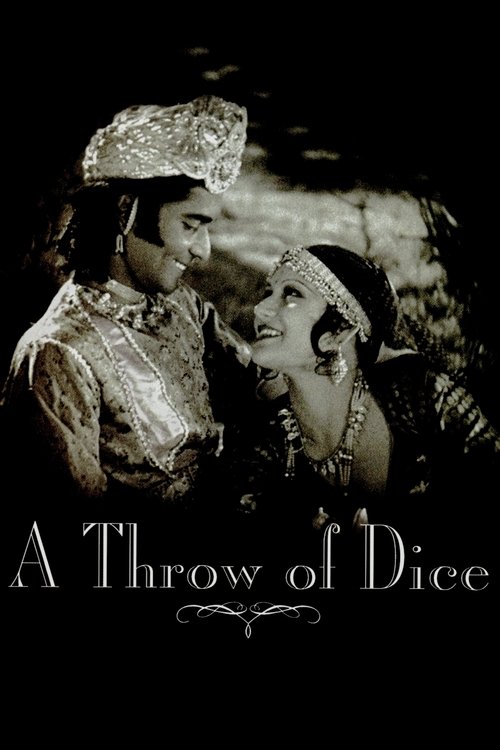
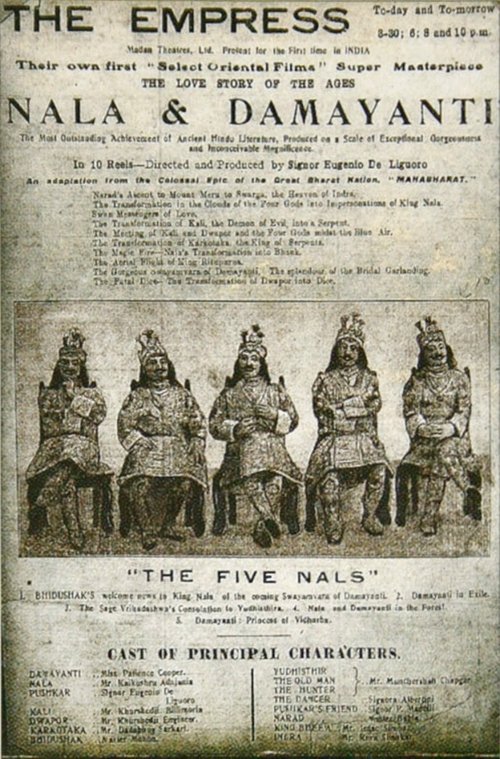
Nala & Damayanti
This big-budget film depicts a famous episode from the 'Mahabharata', starting with Narada's ascent of Mount Meru. It shows Swarga, the Heaven of Indra, the Transformation in the Clouds of the Four Gods into impersonations of King Nala, Swan Messengers of Love, the Transformation of Kali (the Demon of Evil) into a Serpent, the Meeting of Kali and Dwapor and the Four Gods amidst the Blue Air.

The Childhood of Krishna
The playmates of Krishna are insulted by a female villager who splashes water on them. They take revenge by stealing butter from her house. When they are beaten up by the woman, they again take revenge with the aid of Krishna. He receives a gift of fruit for his help but gives it away. Krishna then enters the room of a wealthy merchant and his wife at night and ties the man's beard to his wife's hair. These exploits lead to a large crowd complaining of Krishna's antics to his foster parents.

Fire!
Firefighters ring for help, and here comes the ladder cart; they hitch a horse to it. A second horse-drawn truck joins the first, and they head down the street to a house fire. Inside a man sleeps, he awakes amidst flames and throws himself back on the bed. In comes a firefighter, hosing down the blaze. He carries out the victim, down a ladder to safety. Other firefighters enter the house to save belongings, and out comes one with a baby. The saved man rejoices, but it's not over yet.