🌟 Award-Worthy Movies (1827 results)
Clear all filters
Holi
The evil Chand (Motilal) and his rich father Mangaldas (Date) persecute the nice Sunder (Ishwarlal): he kidnaps Sunder's sister Kokila (Khursheed) and frames him for theft. Sunder is jailed. The abducted Kokila succumbs to the villain's charms and her love reforms him. When released, Sunder, unaware of the fact that his enemy has reformed, seeks revenge on the very day that Chand and Kokila are to marry.

The Rebel
An allegory of contemporary political attitudes presented in terms of differing approaches to the institutionalisation of sexuality: marriage. There are three college friends: the liberal Vijay the conservative Loknath and Jagdish, a careerist. Vijay rescues a damsel in distress and marries her. Later, his son Anand repeats his father's history by rescuing Jagdish's daughter from a bandit and marrying her, resolving the differences between the three friends.


Baradidi
Suren, prevented by his family from pursuing a university career, leaves home and becomes a tutor to Pramila. He falls in love with her widowed elder sister Madhavi who, although returning his love, has him sacked to save the situation.
Durga
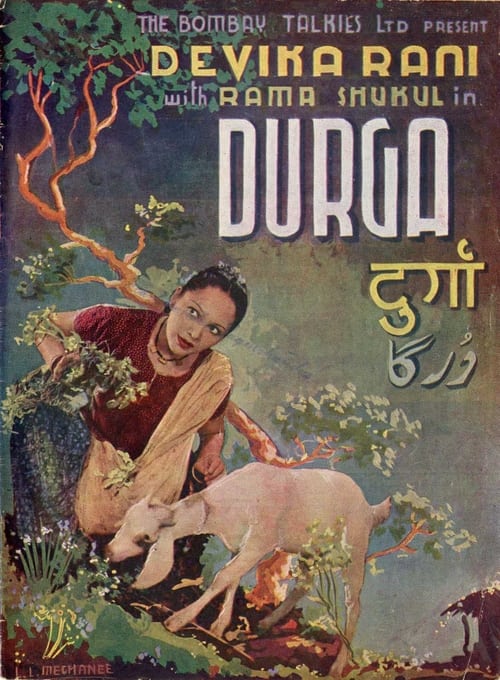
Rural melodrama about Durga, an adolescent child of nature, living with her aged mother Heera. Unable to get the medicine required to prevent her mother's death, one misfortune after another befalls the heroine in spite of the sympathies of the newly arrived village doctor, Jawahar.

Gopal Krishna
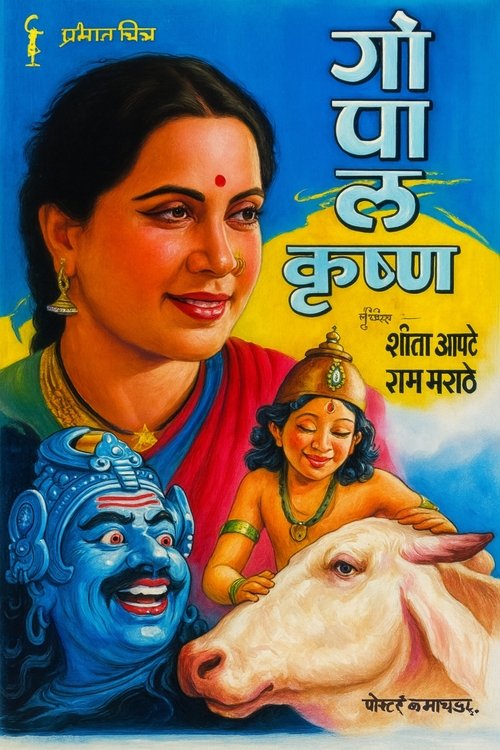
This mythological tells of the playful child Krishna (Marathe) and his battle against the evil King Kamsa (Ganpatrao) who rules the city of Gokul. The stories, mainly from the popular 'Bhagvat' and 'Vishnu Purana', also show Krishna vanquishing Keshi (Haribhau), Kamsa's general who arrives in disguise to capture him. Finally, when Kamsa unleashes rain and flood over the city (in a departure from the original legend where Indra caused the natural disaster), Krishna raises the mountain Govardhan over the people to protect them.
Jailor
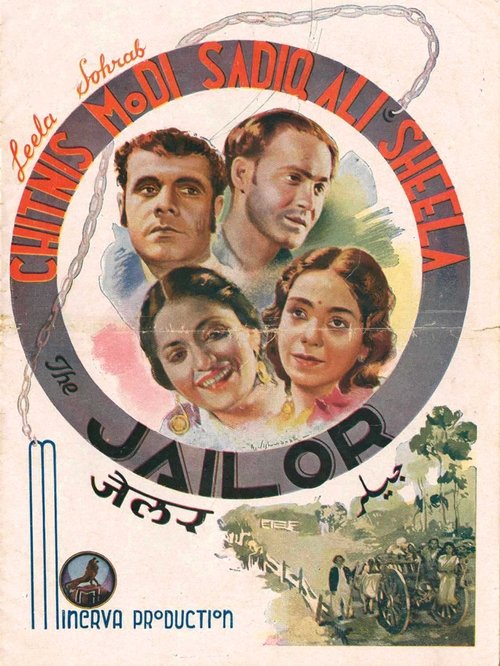
Modi's first psychodramatic role as a liberal man becoming a tyrannical jailer. He loses his wife to a lover who then goes blind. The jailer locks up his wife, Kanwal, in their own home, forbidding any contact with their child, Bali. Later the jailer himself falls in love with a blind woman.
Ambikapathy
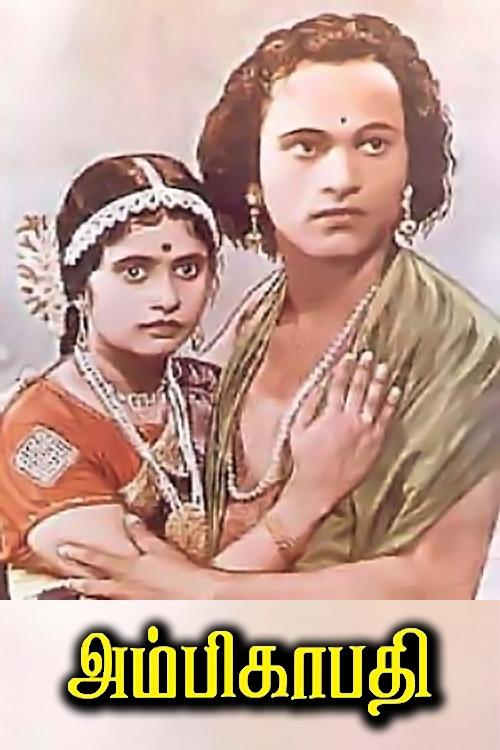
The film is based on a story set in the Chola Empire in year 1083 AD. The titular character in the story is Ambikapathy (M K. Thyagaraja Bhagavathar), the son of the Tamil poet Kambar (Serugulathur Sama) who is in love with the Chola princess and daughter of Kulothunga Chola, Amaravati (played by M. R. Santhanalakshmi). The king objects to their love and insists on testing Ambikapathy's literary mettle before judging his worth. The test given to Ambikapathi is that he should write and sing a hundred poems in the field of Puram (dealing with war and politics). The poems should not have any reference to the field of Aram (dealing of love and romance). Ambikapathi begins the test in the King's court with a Kadavul Vaazhthu (invocation to God). Amaravathi who is keeping the count, mistakes the invocation as a poem and counts it as poem number one.
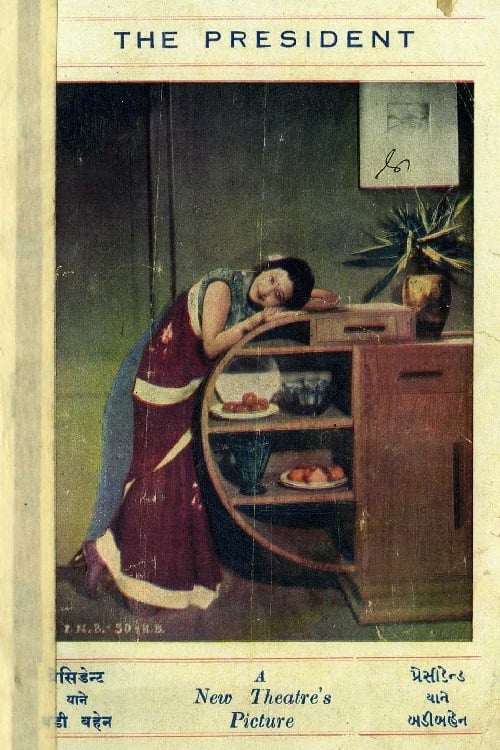
President
Badi Bahen aka President is a 1937 Hindi social romantic drama film (the Bengali version was called Didi and starred several different actors). The story according to the credit roll of the film is "A tale of love and greater love" developed on an idea by M. M. Begg. It was a love triangle with a social content that highlighted the conditions of the mill workers. It was also the first film to show a liberated educated woman managing her own factory

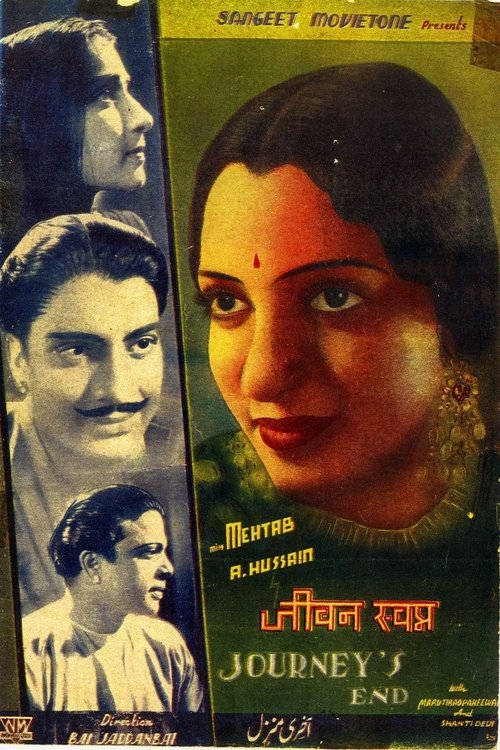
Jeevan Swapna
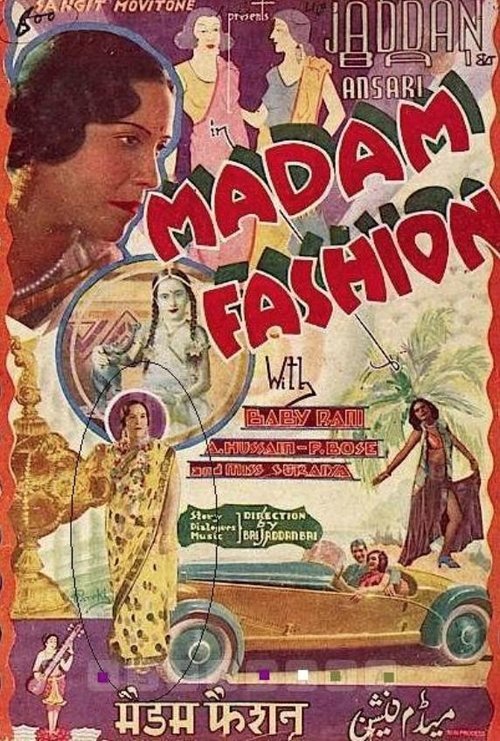
"Journeys End" a traditional tale told by one of the pioneers in Indian cinema, Jaddanbai Hussain (1892-1949).
Grihadaha
The poor but educated Mahim and his childhood friend, the rich but conservative Suresh, both fall in love with the same woman, the liberated Achala. Mahim marries her and they move to a village but she cannot forget Suresh. Her smoldering unhappiness takes the form of resentment towards the orphaned Mrinal, raised by Mahim's father, and receives a dramatic visual embodiment when their house burns down. Mahim falls ill, is rescued by Suresh, and nursed back to health by Achala. On a train (a metaphor for the irreversibly linear course of life) to a health resort where Mahim is supposed to convalesce, Suresh on a rainswept night gives in to temptation and elopes with Achala. At the end of the film, there is a dubious reconciliation as Achala is shown following Mahim's 'good' traditionalism with Sharatchandra's barely concealed hostility towards Achala's liberated Brahmo Samaj upbringing.


Devdas
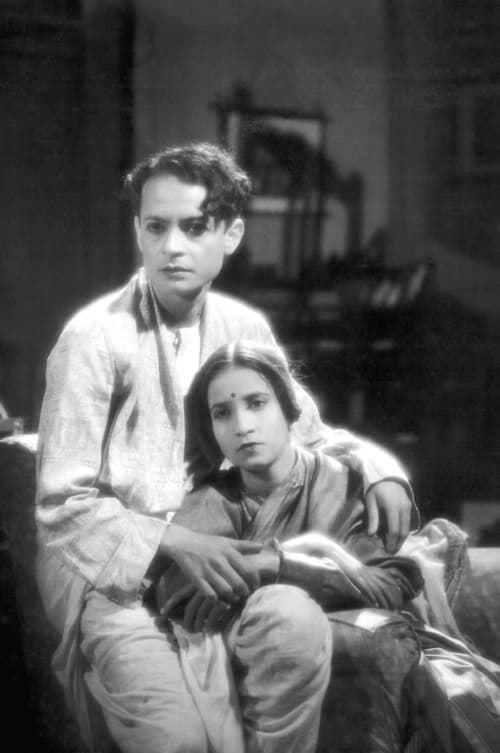
Devdas, the son of a zamindar, and Parvati, his neighbour's daughter, are childhood sweethearts. However, class and caste differences prevent their marriage. Devdas is sent off to Calcutta, while Paro is married off to an aged rich widower. In Calcutta, as remorse drives him to alcohol, Devdas meets Chandramukhi, a prostitute. All Indian prints of this Bengali version were destroyed in a fire that ravaged New Theatre’s studios. Today, only one copy of the film survives which belongs to the Bangladesh Film Archives. Of that copy almost forty percent is destroyed.