🌟 Award-Worthy Movies (1723 results)
Clear all filters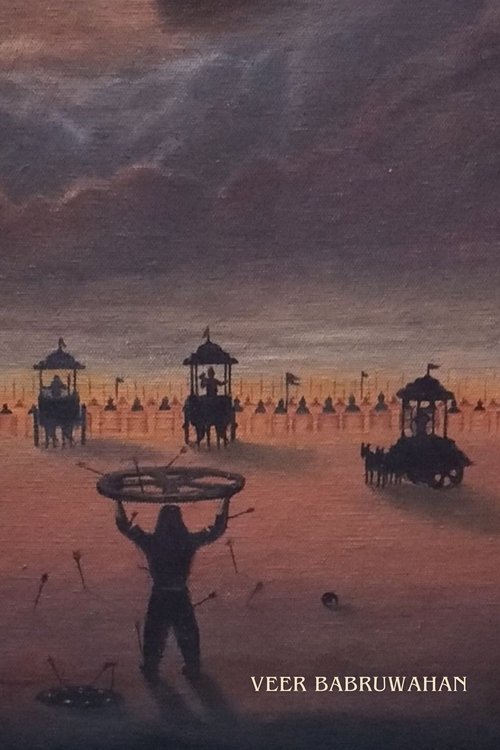
Veer Babruwahan
In this mythological tale, Babruwahan, son of Arjuna, returns from the Mahabharata war. He defiantly stops a horse from his father's army, leading to a battle in which he beheads Arjuna. As he prepares to commit suicide, Krishna appears, instructing him to retrieve the magical Sanjivani Mani from the land of the serpents to revive his father. This quest pits him against Ullupi, the serpent king's daughter and a former wife of Arjuna. When she surrenders the Mani but takes Arjuna's head instead, Krishna is forced to intervene to resolve the situation.
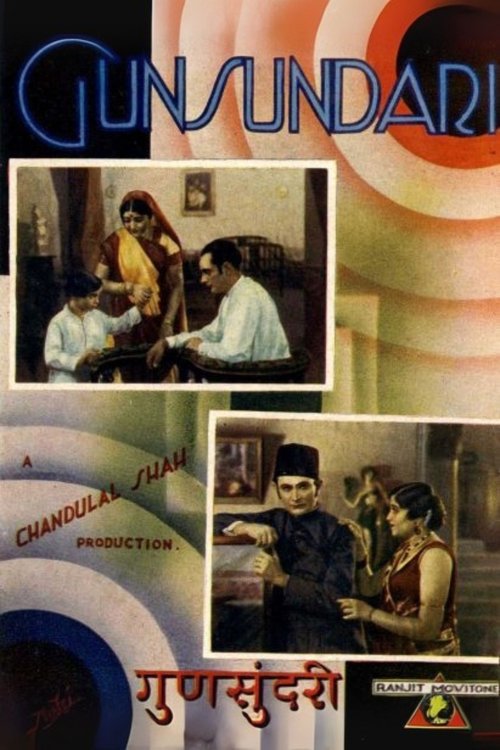
Gunsundari
Gunsundari, the dutiful wife, acts as savior for her troubled joint family. Her father-in-law Shyamaldas battles alcoholism and accusations, while her husband Chandrakant falls prey to villains and a prostitute, losing his property. Gunsundari also aids her sister-in-law Sushila through marital woes, facing personal trouble due to a secret. Destitute, she eventually reunites with a similarly down-on-his-luck Chandrakant on the streets. A coincidence ultimately reveals Shyamaldas left his property to his estranged son, leading to a happy ending.
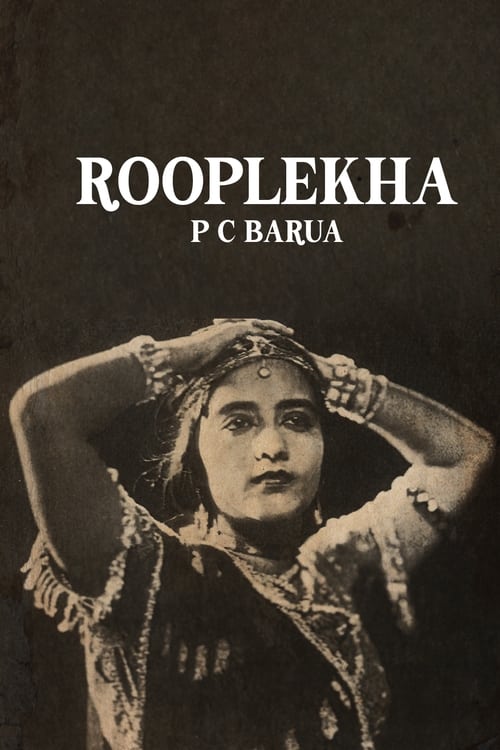

Rajrani Meera
Meera is immersed in her love and devotion to Lord Krishna since a young age. When she grows older, her family get her married to the Rana of Mewar. Misunderstandings occur when her devotional poetry is thought to be love songs for someone. Several hardships are inflicted on her by her husband and her in-laws. She takes to sitting in the temple and singing bhajans (sacred songs) composed by her. Her brother-in-law tries to have her killed many times, but fails. She finally renounces her life in the palace and wanders from place to place singing devotional songs.

Lal-e-Yaman
Oriental fantasy derived from classic Parsee theatre. The heir to the Yemeni throne, Prince Parviz, is falsely imprisoned by his stepmother who claims power. Parviz receives a magic dagger from a mystic sufi fakir to liberate himself and his people. The dagger makes him invisible. He kills the Apeman and the genii, rescues the captive Princess Parizad and, finally, overwhelms the soldiers sent to recapture him. The king learns the truth and repents.


Narasinh Mehta
The first Gujarati feature film is a saint film about the life of Narasinh Mehta (1408-75), played by Master Manhar. Mehta is known for his evocative Prabhatiyan (morning hymns) and especially for his composition Vaishnava jana to ('The Vaishnav is he who knows the pain of others') made popular by Gandhi, who also adapted the poet's term Harijan (children of god) for the nation's Untouchables. The film adheres to the Gandhian interpretation of Narasinh Mehta's work, avoiding e.g. miracle scenes.

King of Ayodhya
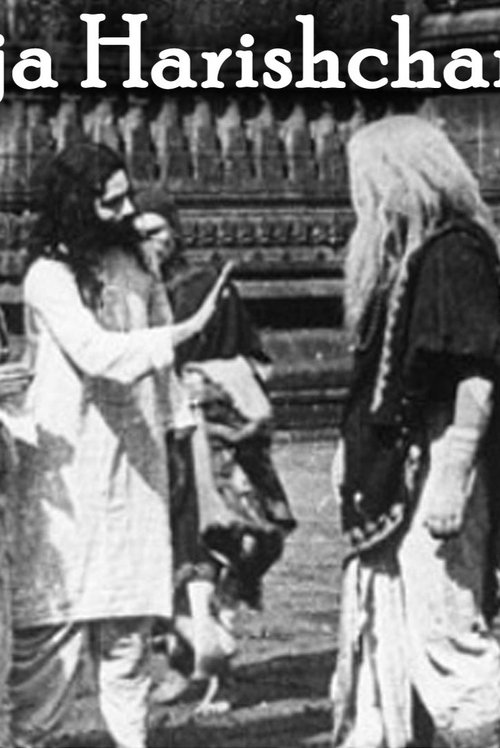
Ayodhyecha Raja, literally "The King of Ayodhya", was the first Marathi talkie. It is based on the mythological story of Raja Harishchandra of Ayodhya and his test by sage Vishwamitra, as recounted in Valmiki's epic, Ramayana. The film was also made as a double-version, Ayodhya Ka Raja (1932) in Hindi, making it the first double version talkie of Indian cinema.
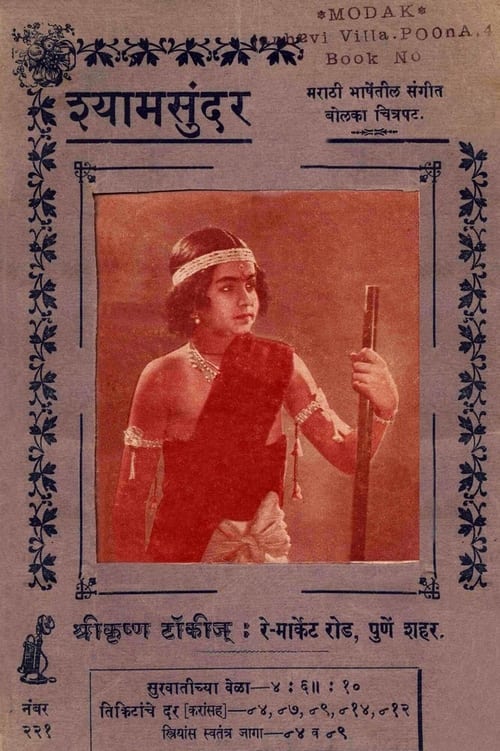
Shyam Sundar
Children's mythological drawn from the Vishnu Purana telling of the child Krishna (Modak). The film intercuts Krishna's rural escapades with Pendya and other childhood friends with palace intrigues in Mathura, where Kans receives a divine warning that the boy Krishna shall be the cause of his death.
Dena Paona
Dena Paona is a dramatic exploration of societal pressures and personal redemption. The film follows Sorashi, a strong-willed temple priestess, as she confronts the challenges of a troubled marriage and a disapproving community. Her journey towards self-discovery and reconciliation with her husband forms the heart of this compelling story.

Draupadi
A grand Mahabharata adaptation, this film focuses on Duryodhana's plot to usurp the Pandavas' kingdom. It culminates in the infamous dice game where Yudhishthira loses everything, including Draupadi, whose honor is miraculously saved by Krishna during a public humiliation.
Sacrifice
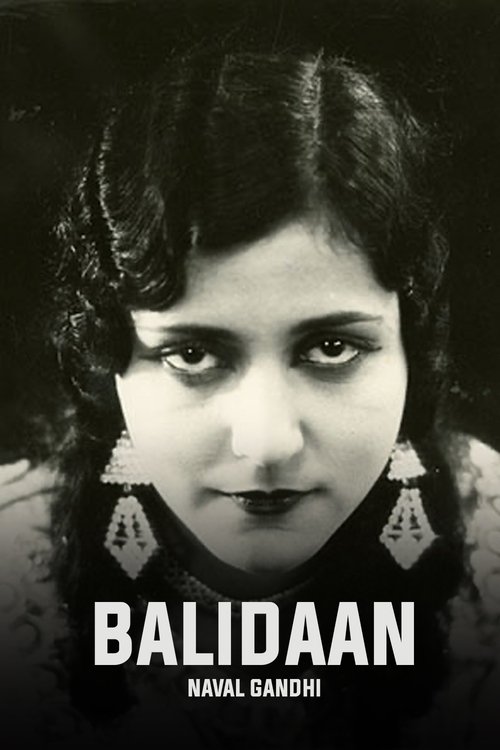
The story addresses the conflict between reformist enlightenment and obsolete, inhuman ritual, questioning the contemporary validity of traditional rituals. The dramatic pivot is the conflict between the king who banned animal sacrifice, and the priest who calls for the king's own blood. Emotionally, the film revolves around the childless queen and a beggar girl whose pet goat has been taken for the sacrifice and who loves a servant in the temple.
Sati Savitri
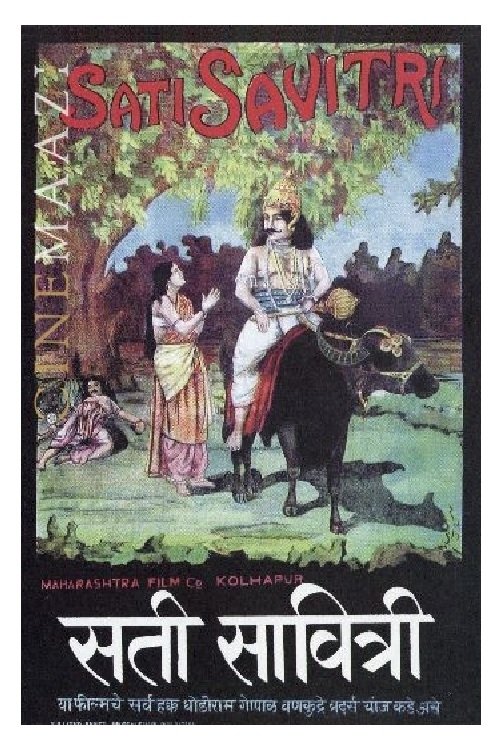
Baburao Painter’s mythological silent feature SatiSavitri (1927) narrates the tale of love and devotion of legendary Savitri, who won back her husband from the Lord of death Yama. Only 32 minutes exists.
Nala & Damayanti
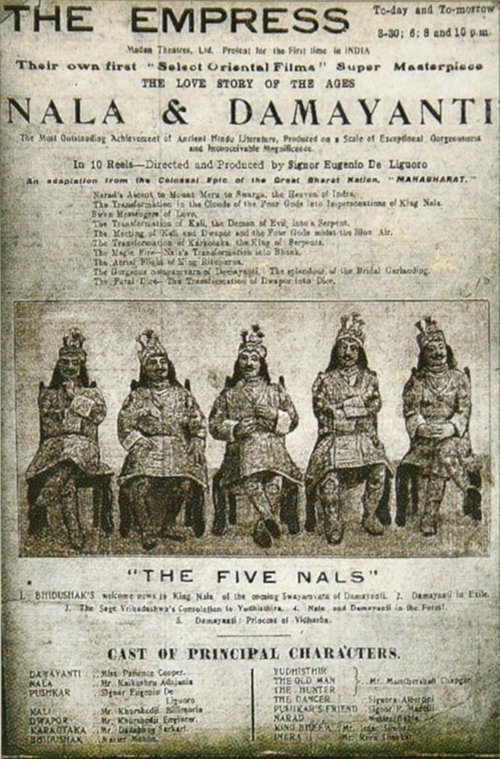
This big-budget film depicts a famous episode from the 'Mahabharata', starting with Narada's ascent of Mount Meru. It shows Swarga, the Heaven of Indra, the Transformation in the Clouds of the Four Gods into impersonations of King Nala, Swan Messengers of Love, the Transformation of Kali (the Demon of Evil) into a Serpent, the Meeting of Kali and Dwapor and the Four Gods amidst the Blue Air.