🌟 Award-Worthy Movies (1723 results)
Clear all filters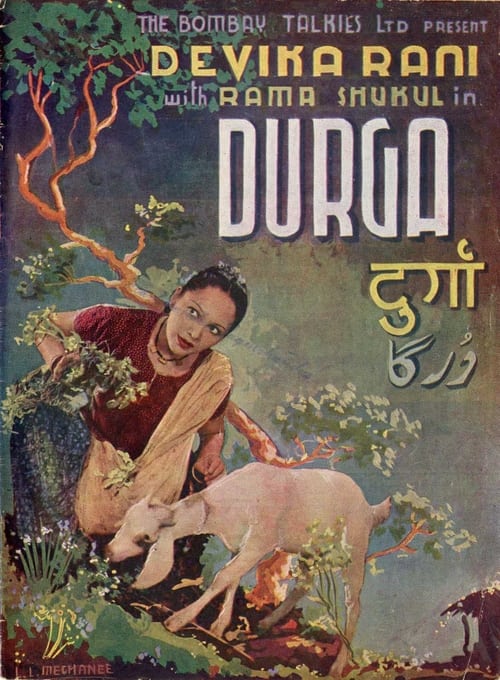
Durga
Rural melodrama about Durga, an adolescent child of nature, living with her aged mother Heera. Unable to get the medicine required to prevent her mother's death, one misfortune after another befalls the heroine in spite of the sympathies of the newly arrived village doctor, Jawahar.

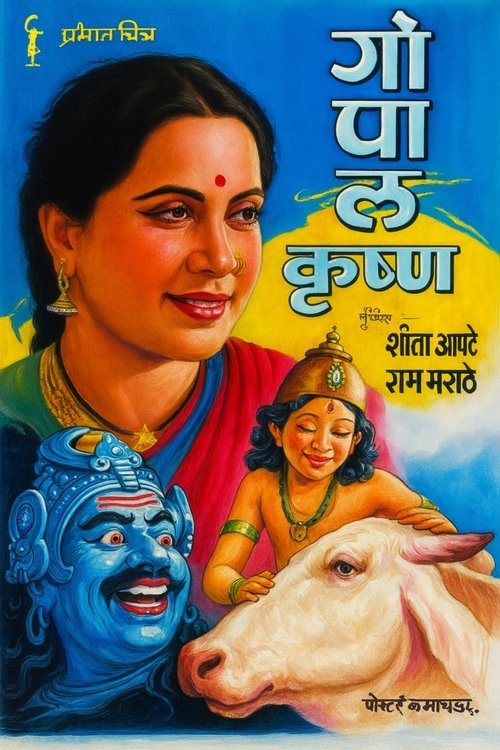
Gopal Krishna
This mythological tells of the playful child Krishna (Marathe) and his battle against the evil King Kamsa (Ganpatrao) who rules the city of Gokul. The stories, mainly from the popular 'Bhagvat' and 'Vishnu Purana', also show Krishna vanquishing Keshi (Haribhau), Kamsa's general who arrives in disguise to capture him. Finally, when Kamsa unleashes rain and flood over the city (in a departure from the original legend where Indra caused the natural disaster), Krishna raises the mountain Govardhan over the people to protect them.
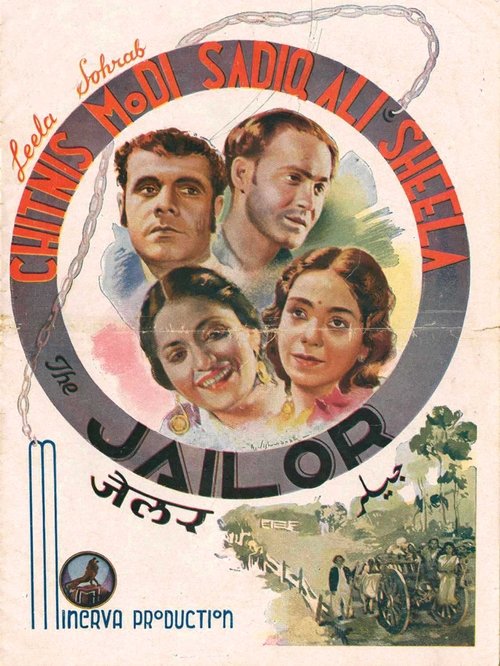
Jailor
Modi's first psychodramatic role as a liberal man becoming a tyrannical jailer. He loses his wife to a lover who then goes blind. The jailer locks up his wife, Kanwal, in their own home, forbidding any contact with their child, Bali. Later the jailer himself falls in love with a blind woman.
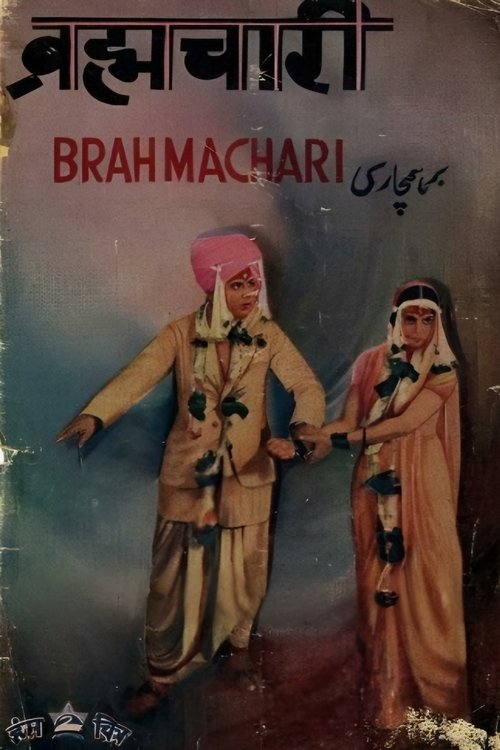
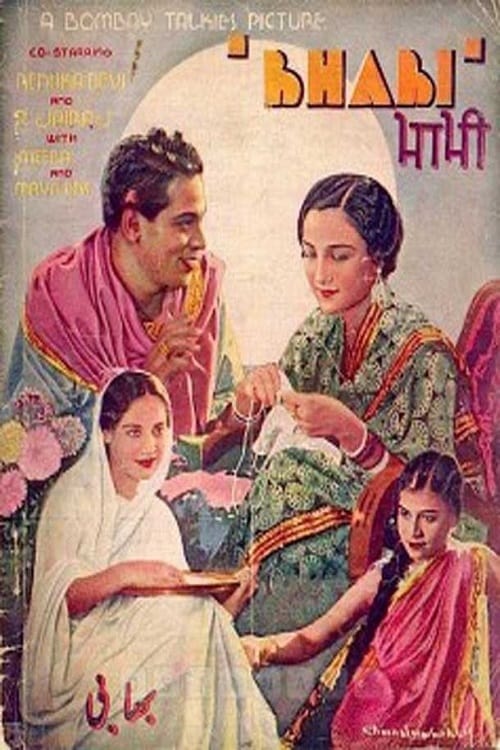
Bhabhi
The film is family social drama, which deals with the issue of young widows. It put a special focus on the Indian society's attitude towards them, and society's bigoted approach to "man- woman relationships"
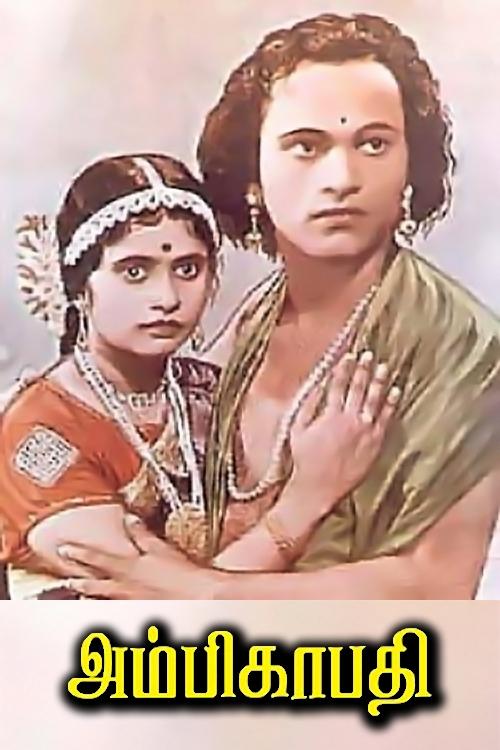
Ambikapathy
The film is based on a story set in the Chola Empire in year 1083 AD. The titular character in the story is Ambikapathy (M K. Thyagaraja Bhagavathar), the son of the Tamil poet Kambar (Serugulathur Sama) who is in love with the Chola princess and daughter of Kulothunga Chola, Amaravati (played by M. R. Santhanalakshmi). The king objects to their love and insists on testing Ambikapathy's literary mettle before judging his worth. The test given to Ambikapathi is that he should write and sing a hundred poems in the field of Puram (dealing with war and politics). The poems should not have any reference to the field of Aram (dealing of love and romance). Ambikapathi begins the test in the King's court with a Kadavul Vaazhthu (invocation to God). Amaravathi who is keeping the count, mistakes the invocation as a poem and counts it as poem number one.
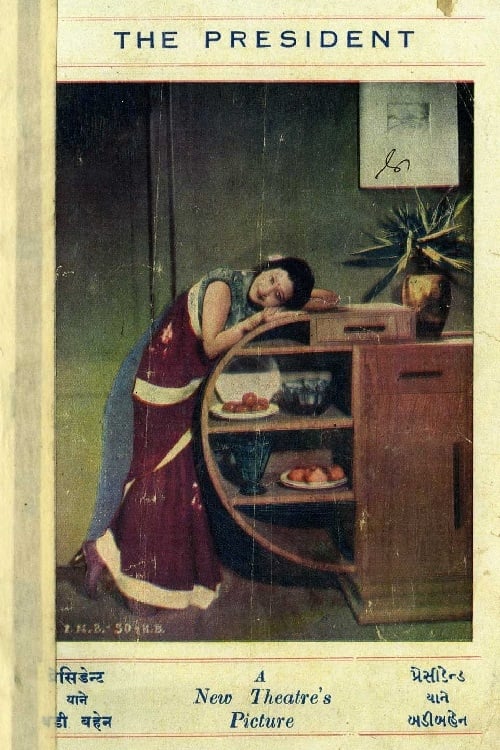
President
Badi Bahen aka President is a 1937 Hindi social romantic drama film (the Bengali version was called Didi and starred several different actors). The story according to the credit roll of the film is "A tale of love and greater love" developed on an idea by M. M. Begg. It was a love triangle with a social content that highlighted the conditions of the mill workers. It was also the first film to show a liberated educated woman managing her own factory

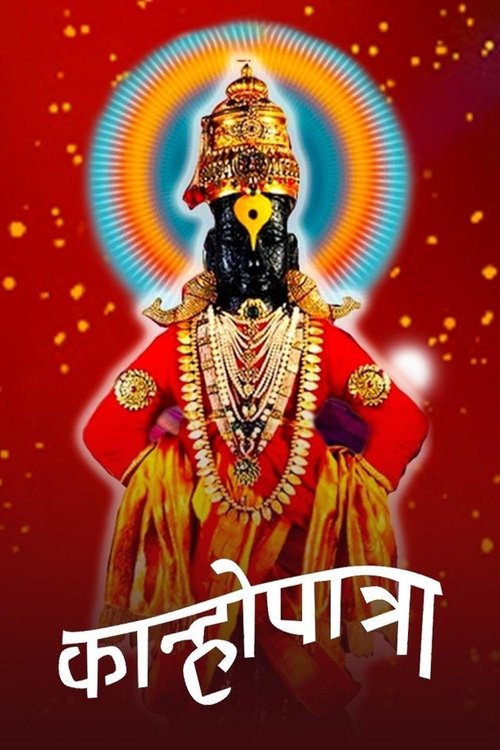
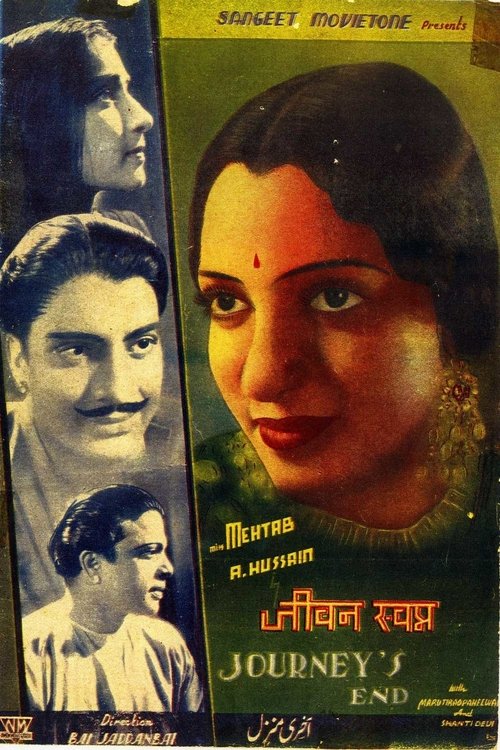
Jeevan Swapna
"Journeys End" a traditional tale told by one of the pioneers in Indian cinema, Jaddanbai Hussain (1892-1949).


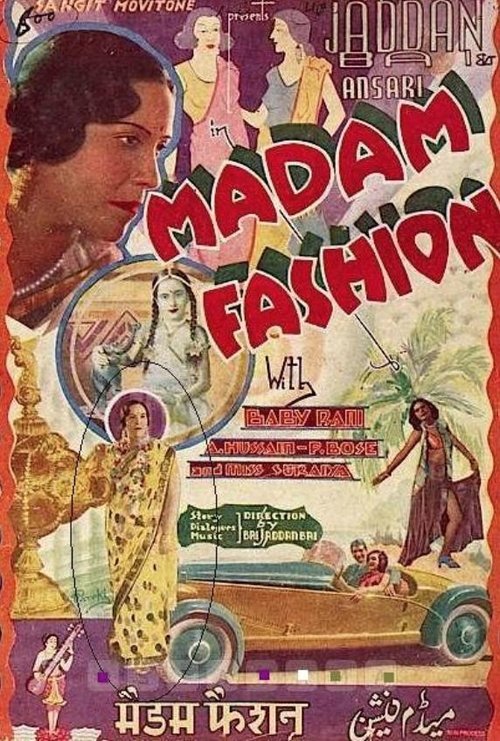
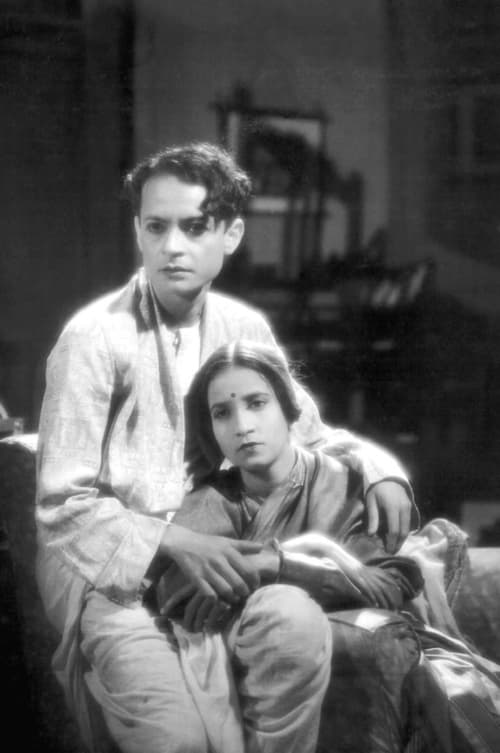
Devdas
Devdas, the son of a zamindar, and Parvati, his neighbour's daughter, are childhood sweethearts. However, class and caste differences prevent their marriage. Devdas is sent off to Calcutta, while Paro is married off to an aged rich widower. In Calcutta, as remorse drives him to alcohol, Devdas meets Chandramukhi, a prostitute. All Indian prints of this Bengali version were destroyed in a fire that ravaged New Theatre’s studios. Today, only one copy of the film survives which belongs to the Bangladesh Film Archives. Of that copy almost forty percent is destroyed.
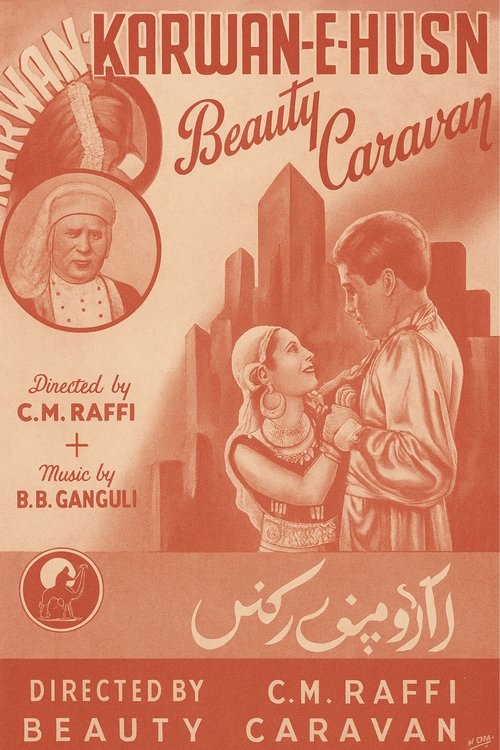

Dharmatma
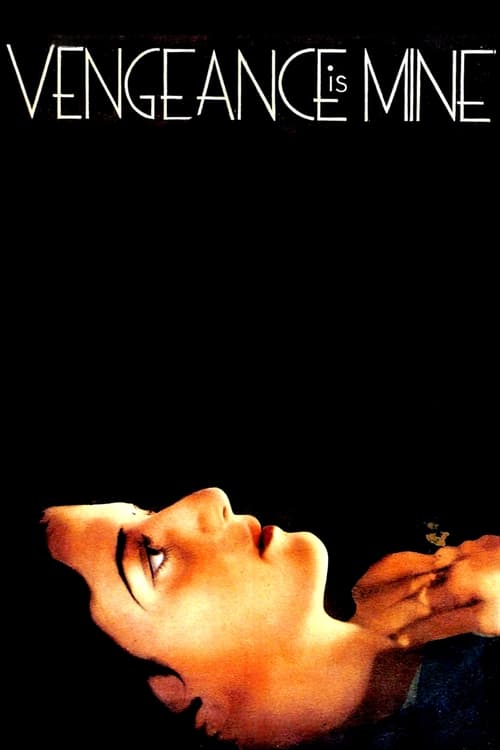
Sant Eknath, a 16th-century poet-saint who challenges caste discrimination by serving and dining with the untouchables. His actions provoke outrage from orthodox Brahmins, leading to his excommunication. Despite opposition, Eknath stands firm in his belief in equality and devotion, inspiring others to join his cause and defending his principles through his spiritual teachings.

Judgement of Allah
Set in the Ottoman Empire, it deals with the Caesar's (Pande) army and its skirmishes with the local Muslim rulers. The Sultan's (Asooji) son Ziyad (Kumar) is arrested by the Roman army. The Roman princess Rahil falls in love with him. A Muslim maid Leela (Sitara Devi) and the princess help him escape. Long chase scenes and fights follow, which ultimately lead to success for Ziyad and his people.
Vilasi Ishwar
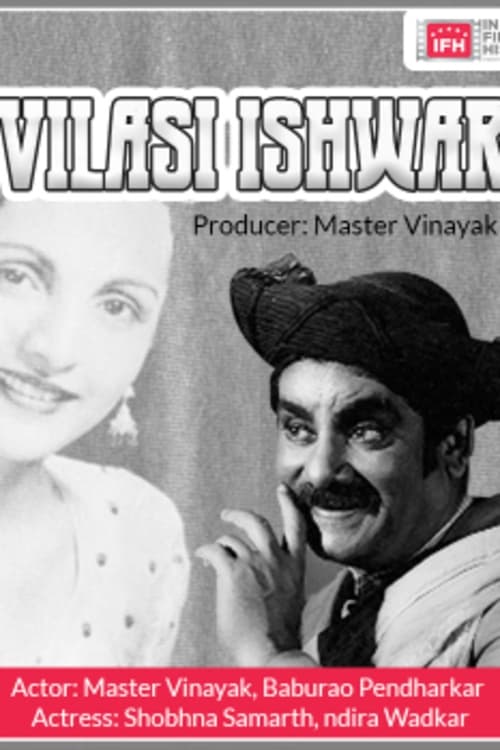
It is a melodrama about tlie rich and callous Vilas who abandons girlfriend Shama when he discovers that she is pregnant. She raises her son Nandu with the help of her younger brother and the film's hero, Sanjeev. When Vilas re-enters thier lives, it is with a new name, Ishwar, and with the intention of seducing the rich Princess Indira who loves Sanjeev. Ishwar has a bad accident and an attack of amnesia that also leads to a confession of his past deeds.
Usha
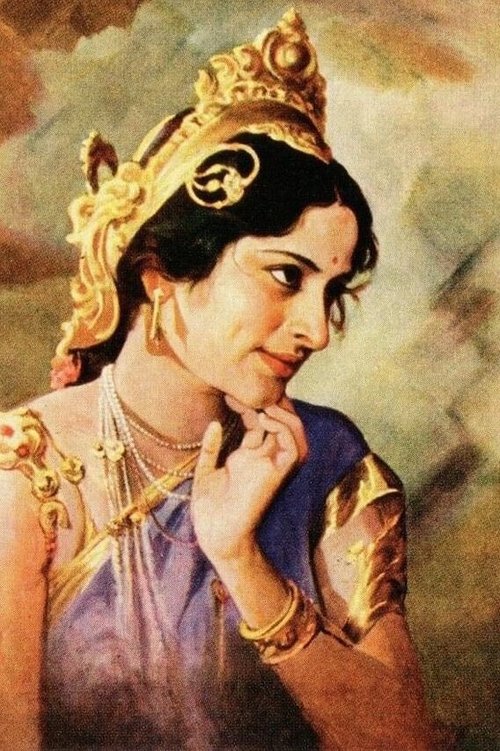
The demonic King Banasur, a devout disciple of Shiva, wants to eliminate Vishnu and his followers in the guise of Krishna, king of Dwarka and an incarnation of Vishnu. Krishna overcomes Banasur's designs by getting his daughter Usha to fall in love in with Aniruddha.

Seeta
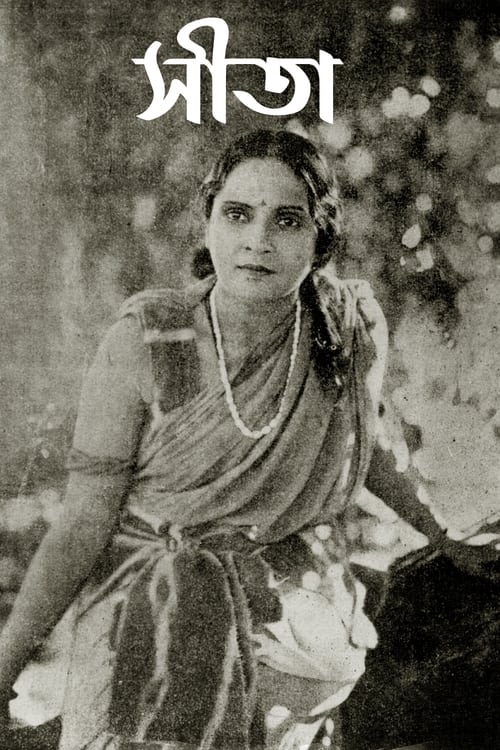
Seeta was a 1933 Indian talkie Bengali film, directed by Debaki Bose and produced by the East India Film Company.[1] It won an honorary diploma in the 2nd Venice International Film Festival in 1934, becoming the first Indian talkie to be shown at an international film festival.

Dakshayagna
Dakshayagna is a pivotal tale in Hindu mythology. It recounts the grand sacrifice ritual organized by Daksha, where his daughter Sati, wife of Lord Shiva, tragically immolates herself due to her father's insult to her husband. Enraged by this, Shiva destroys the sacrifice, leading to the creation of the Shakti Pithas. This event also sets the stage for the reincarnation of Sati as Parvati, who later marries Shiva. The story is central to understanding the complexities of Hindu deities and their interactions.