🌟 Award-Worthy Movies (1725 results)
Clear all filters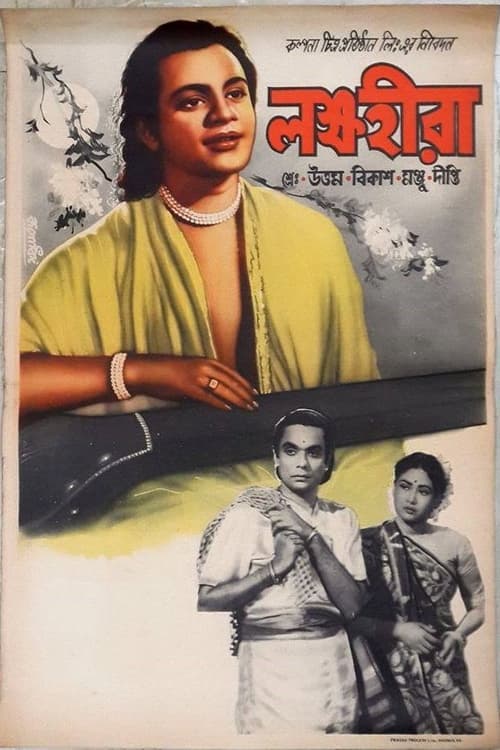
Laksha-Heera
A 1956 Bengali Drama Film directed by Chittaranjan Mitra.


Mem Sahib
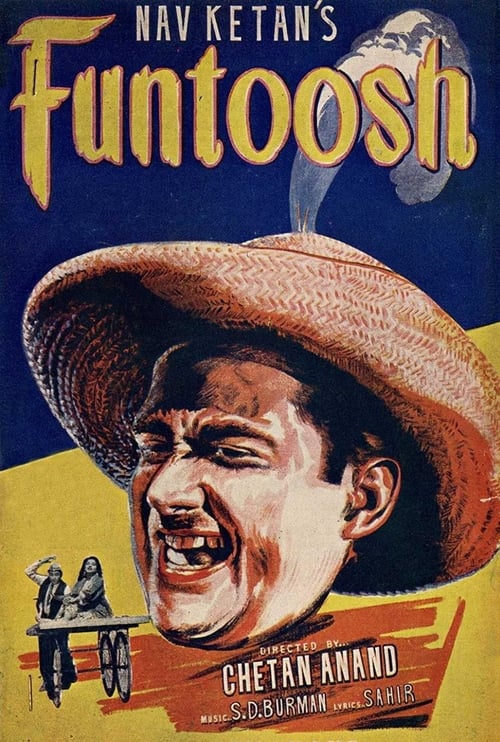
Meena, a wealthy, educated girl, has been promised in marriage to Sunder, a sheltered young man who has received an extremely traditional religious education. Displeased, Meena sets out to find a more suitable candidate, but is taken in by Manohar, a gold-digging conman. Finding Sunder to be clueless about the world, Manohar is soon manipulating him as well as Meena in his schemes to gain possession of Meena's fortune.
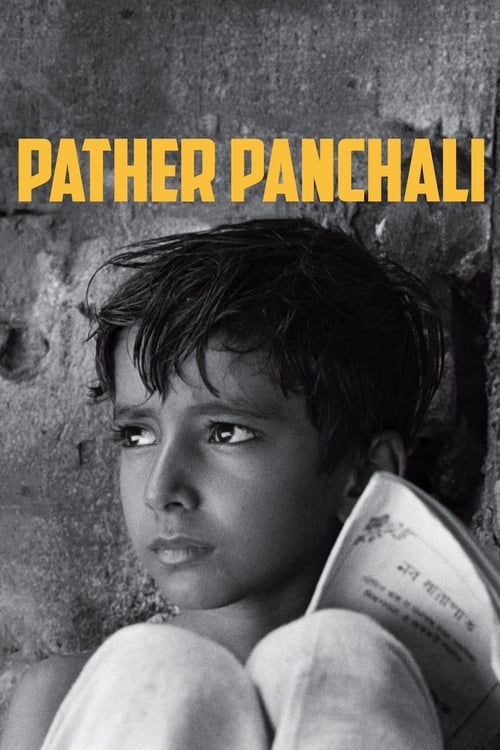
Pather Panchali
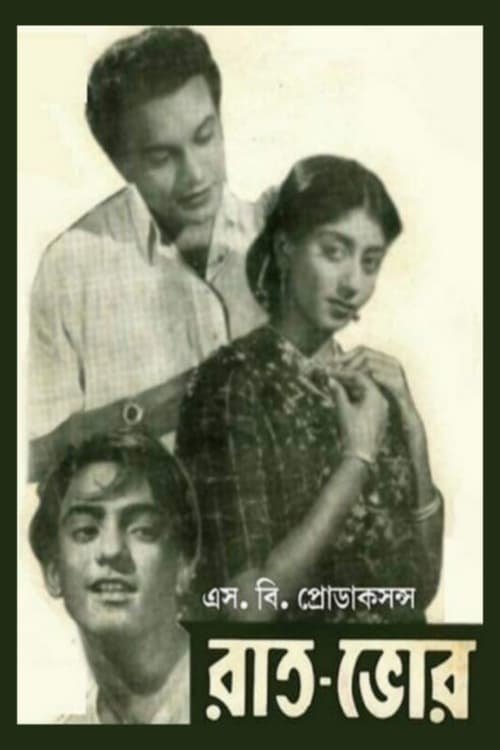
Impoverished priest Harihar Ray, dreaming of a better life for himself and his family, leaves his rural Bengal village in search of work. Alone, his wife, Sarbojaya, looks after her rebellious daughter, Durga, and her young son, Apu, as well as Harihar's elderly aunt Indir. The children enjoy the small pleasures of their difficult life, while their parents suffer the daily indignities heaped upon them.
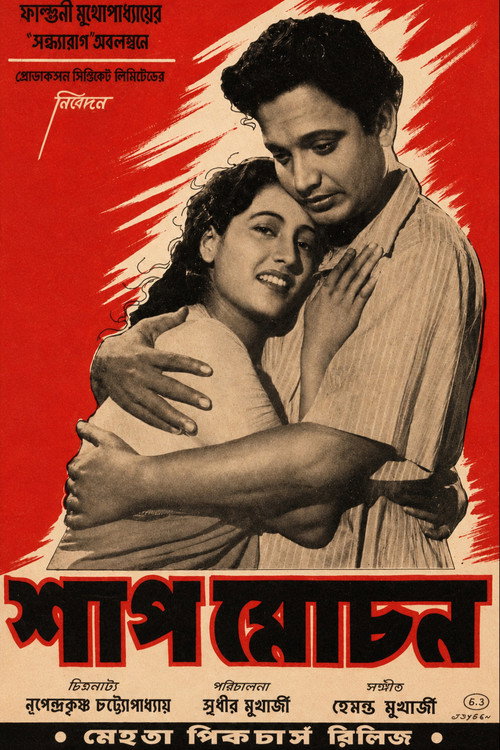
Shap Mochan
Young Mahendra belongs to a family of musicians, but once the family is cursed by their teacher. Mahendra's elder brother becomes blind and to avoid the same fate he goes to Kolkata and lives in the house of his father's friend Umeshchandra. He gets romantically involved with Umeshchandra's daughter Madhuri. Madhuri tries to make Mahendra modern and pursue his musical career. Despite his good singing ability, Mahendra refuses to accept this due to his family values. He leaves their home and takes shelter in Kolkata. But the curse strikes him also and he falls seriously ill.
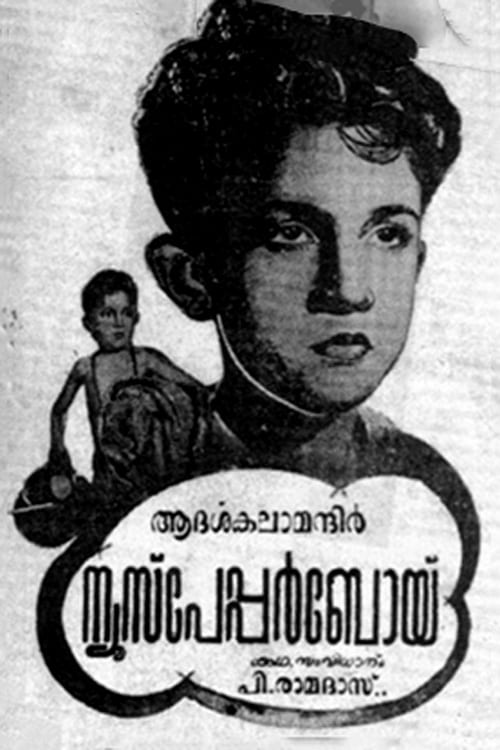
Newspaper Boy
Newspaper Boy is a Malayalam–language Indian film released in 1955. It is the first neo realistic movie in the language. The film, a drama of stark realism, narrates the life of the common man on the street. The film is noteworthy in that the entire production programme from script-writing to direction was controlled and executed by students.
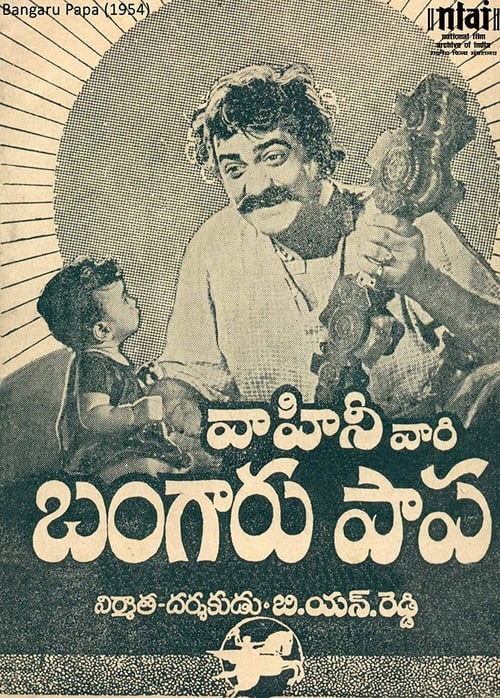
Golden Baby
Kotayya (Ranga Rao) is a kind man. He marries Rami. She succumbs to pressure from Gopala Swamy and elopes with him, leaving her husband. Rami and Gopala successfully plan and send Kotayya to jail. After returning from jail, Kotayya becomes a rowdy drunkard. He plans to take revenge and kill Gopala Swamy.
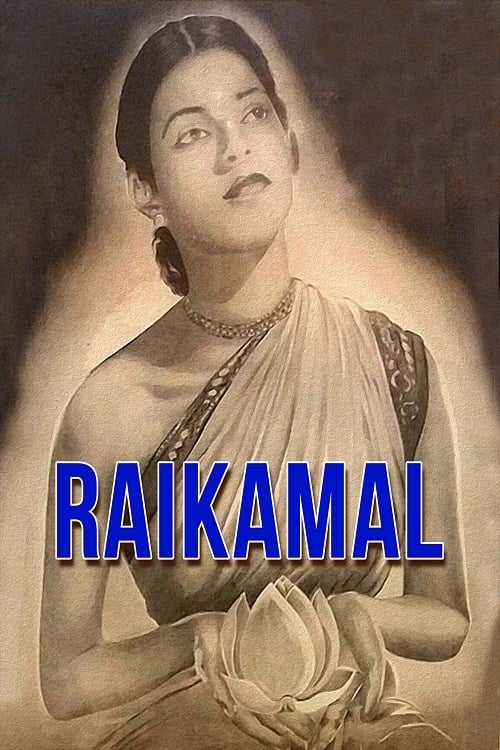
Raikamal
Raikamal narrates the story of Rai Kamal, a devotee of Lord Krishna. Rai Kamal and Ranjan are childhood sweethearts. When Ranjan grows up he wishes his desire to marry Rai but his parents are against this match as they are Brahmins and Rai Kamal was a low caste Vaishnav.
Garam Coat
Girdharilal lives a poor lifestyle in Delhi along with his wife, Geeta, and two daughters, and a son. He works as a Money Order Clerk in the Post Office, earns Rs.110/- per Mensem, and wears a torn coat that his wife is tired of stitching. One day at work, he makes an error in a money order but does manage to fix it, collects his pay, and returns home, refusing to drink...
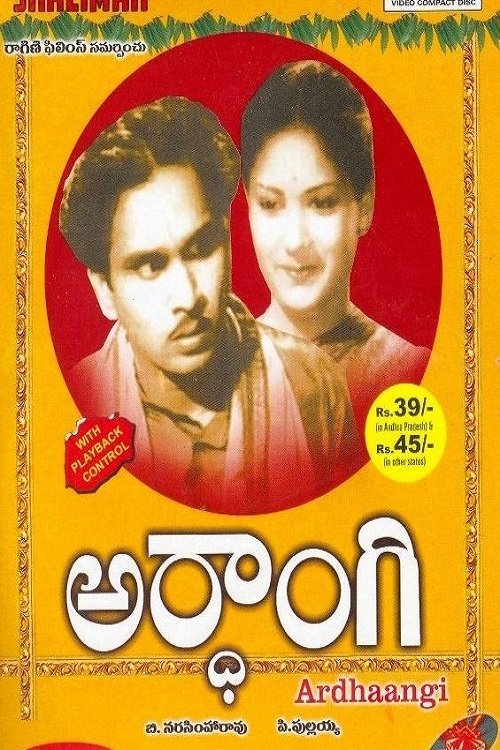
Ardhangi
Zamindar Bhujangarao (Gummadi) has two sons. The elder son Raghunath Rao (Akkineni Nageswara Rao) born to his first wife is a retard. After her death, he married Rajeswari (Santha Kumari) and the couple has a son Nagendra Rao / Naagu (Jaggaiah) a man of vices. Impressed by the way Padma (Savitri) a village girl faced Naagu when he threatened to take their farm lands, the Zamindar fixes Naagu’s marriage with her. But Rajeswari vetoes the alliance and suggests to perform her marriage with Raghu. After marriage, Padma learns that Raghu became a retard due to the opium-fed during his childhood to put him to sleep by the maid, Ayamma (Vijayalakshmi).
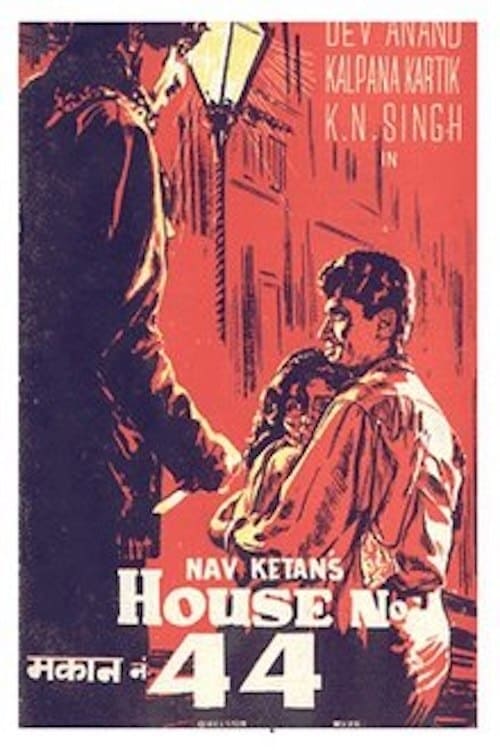
House No. 44
Film about a small-time hood running afoul of a bigtime gangster. Starring Dev Anand, Kalpana Kartik and K.N. Singh.
Parichay
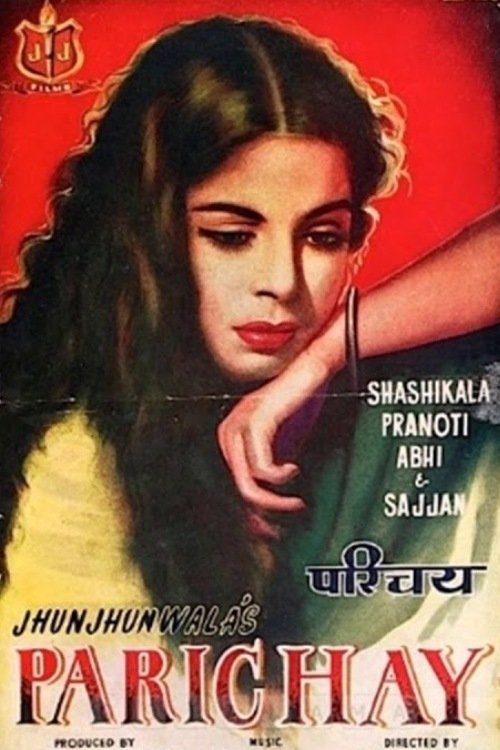
The artist Gopal once asked his geologist friend: "Tell me, Shankar, what kind of bride do you want?" The modest Shankar replied: "I would like her to sing a little, just a little. And I would like her to be beautiful. That's all... Chance brought him together with a girl of rare beauty. But there was a problem: Shivani (that was her name) was from a poor family and had already been betrothed to an unloved but wealthy old man. Upon learning this, Shankar decided to disrupt the wedding and marry Shivani. He was in such a hurry to carry out his sudden decision that he did not even have time to talk to his bride. Talk... Even if he had wanted to, it would not have been possible: it was only after the wedding that he learned of the terrible illness his wife was suffering from...
The Power of Prayer
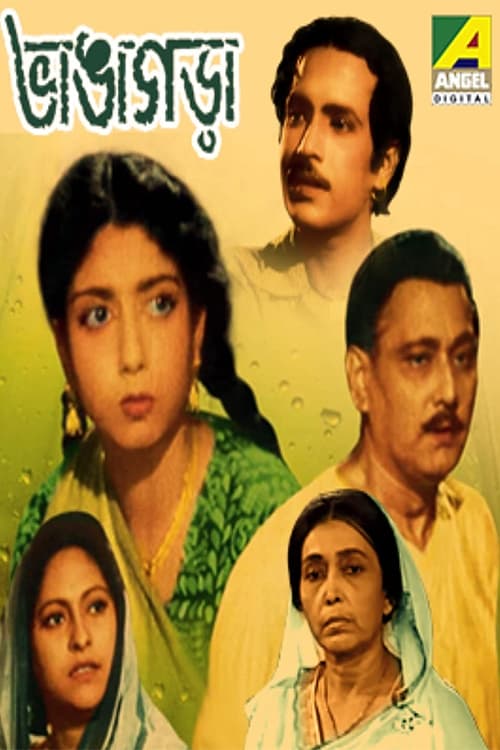
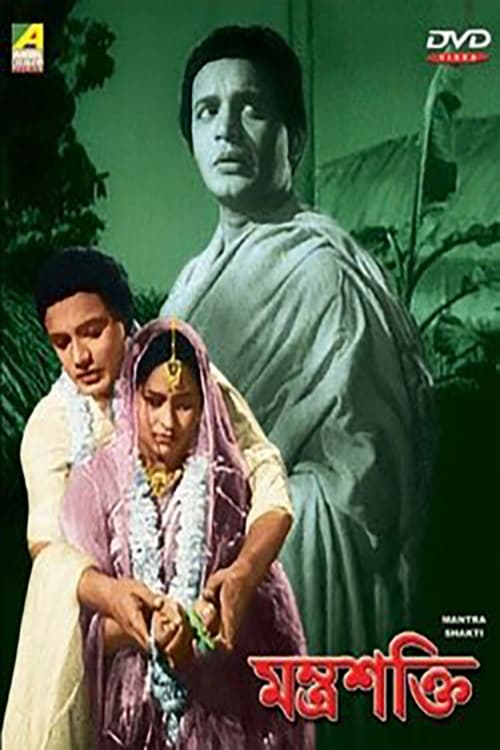
Ambernath a well-educated Sanskrit pundit was different from his childhood. The way he thought and described everything was quite different from others. His master Jagannath Tarka Churamoni loved him a lot and after his death, Ambernath took his place. In such a situation Bani the daughter of local zamindar and Ambernath met. After few days, they got married. Bani were very skeptical about her husband and they were not happy with their relation. Later Ambernath left his wife and stayed alone. In the meantime, Bani also understood the affection and love she had for her husband. She came to know about life and commitment. One day Bani heard that Ambernath was very ill and he stayed in a lonely place. Bani rushed there and put her every effort to make him healthy. Later they came to know each other and lived happily.
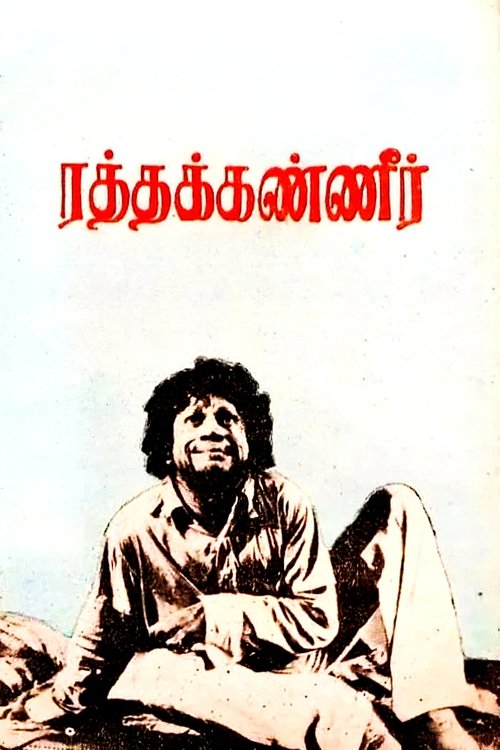
Ratha Kanneer
Mohanasundaram, a philanderer and drunkard, gets married to Chandra after he returns to India. Though he has a wife, he develops a relationship with Kantha, a prostitute.
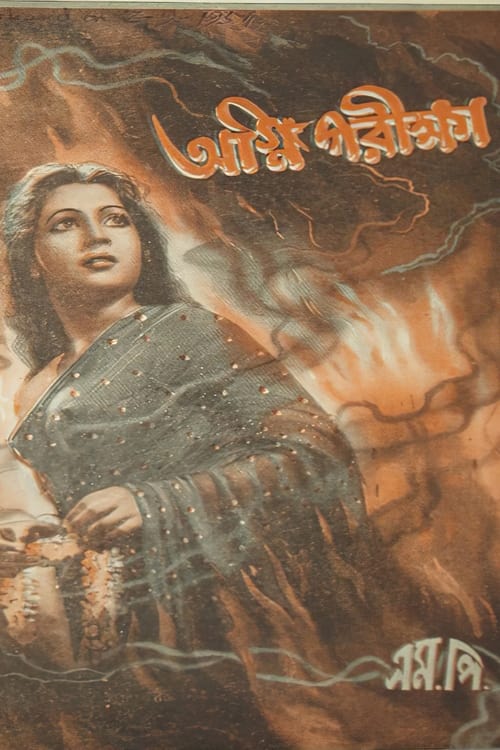
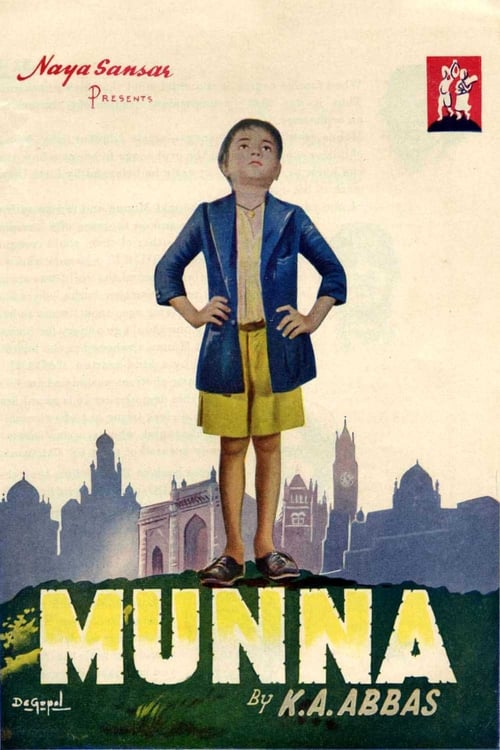
Munna
On a dark, stormy night, a young woman appeared near the orphanage. Holding her child close to her chest one last time, she left him at the door and disappeared as quietly as she had come. Only the moon and stars were silent witnesses to her deed, the cry of a desperate soul. "Munna" means "baby" in Hindi. That is what the owner of the orphanage named the foundling. Years passed. One day, a wealthy childless couple came to the orphanage, wishing to adopt one of the boys. Their choice fell on Munna. However, upon learning that the child's mother was alive, they changed their minds and left, leaving a gold amulet around the boy's neck. That night, Munna could not sleep: pain and longing weighed heavily on his little heart. The boy ran away from the orphanage and set off for Bombay in search of his mother. He was determined to find her.
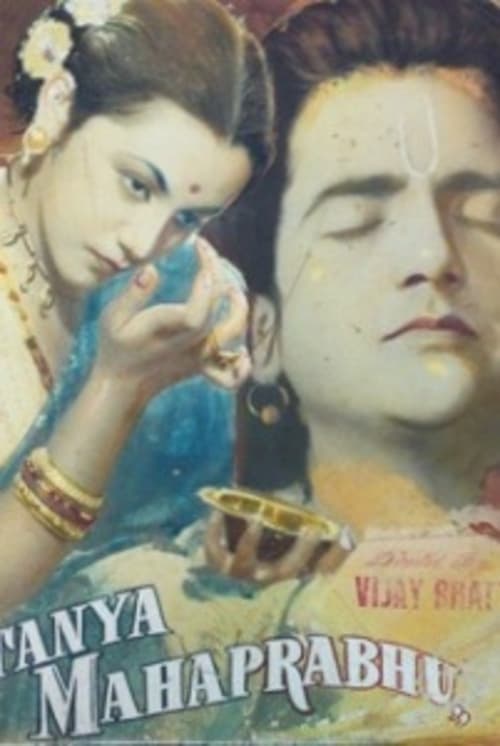
Shri Chaitanya Mahaprabhu
Shri Chaitanya Mahaprabhu is a 1954 Hindi devotional biopic film produced and directed by Vijay Bhatt. The film is about the 15th century "medieval Vaishnav poet saint" and social reformer of Bengal, Chaitanya Mahaprabhu, whom many considered an Avatar of Krishna.