🌟 Award-Worthy Movies (344 results)
Clear all filters


Rail Ka Dibba
A heartwarming tale of good-samaritanism: A poor but large-hearted young man gives shelter to three helpless, forlorn people in his home--an abandoned railway coach. However, tensions arise in the group when he marries one of the inmates, a destitute young girl, since one of the other inmates loves her too. The group breaks up and the coach is abandoned. Time passes, fortunes turn, and penitence brings the group back together.


Kapalkundala
Nabakumar, a young gentleman from Saptagram, got lost in a forest while returning from pilgrimage in Gangasagar. He met a Tantric sage who trapped him, intending to make him a sacrifice to goddess Kali; but was later freed secretly by Kapalkundala. The priest urged Nabakumar to take Kapalkundala away from her wicked foster-father and also showed Nabakumar his way to Saptagram. Now re-christened as Mrinmoyee. The sage, on the other hand, got annoyed at Kapalkundala’s betrayal and began to plot his revenge. In the meantime, Nabakumar met Padmabati, his first wife, who was converted to Islam by his father, making Nabakumar to desert her. Padmabati, now renamed as Motibibi, expressed her love for Nabakumar, but he refused her. Later the sage came to Saptagram and met Motibibi. The sage wanted to kill Kapalkundala, but Motibibi wanted to separate her from Nabkumar only.

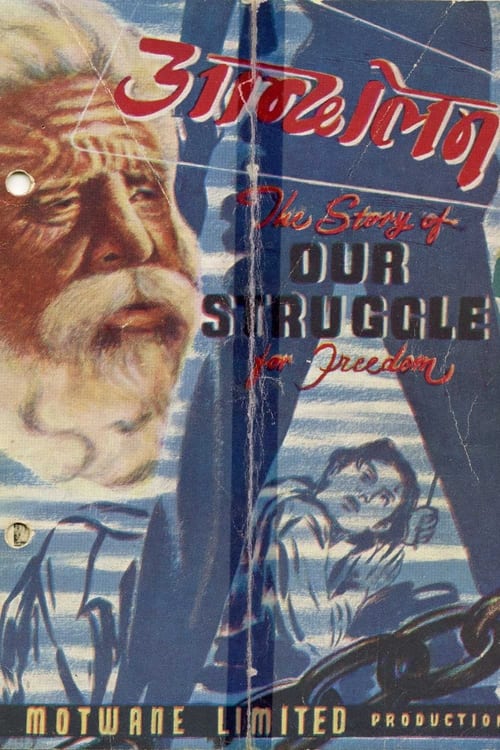
Our Struggle
A stridently nationalistic story of India’s freedom struggle, presented through the experiences of a Bengali family from 1885, when the Indian National Congress was established, to 1947. Important events incorporated into the plot were Gandhi’s satyagraha (1920), the Simon Commission (1928), Vallabhbhai Patel’s Bardoli satyagraha (1928) and the 1942 Quit India agitations. Krishan Chander’s script, Sachin Shankar’s choreography and the acting styles owed much to the IPTA theatre of the 40s. The film, made at Bombay Talkies, was produced by the distributors of the Chicago Radio PA systems label. Kishore Kumar plays the militant hero of this quasi-documentary. Motwane included old documentary footage purchased from Kohinoor and Krishna Film, as well as a shot of Rabindranath Tagore singing his Jana Gana Mana composition, one of India’s national anthems (Arunkumar Roy’s Of Tagore and Cinema, 1994, traces this footage to Ufa, shot when Tagore visited Munich)
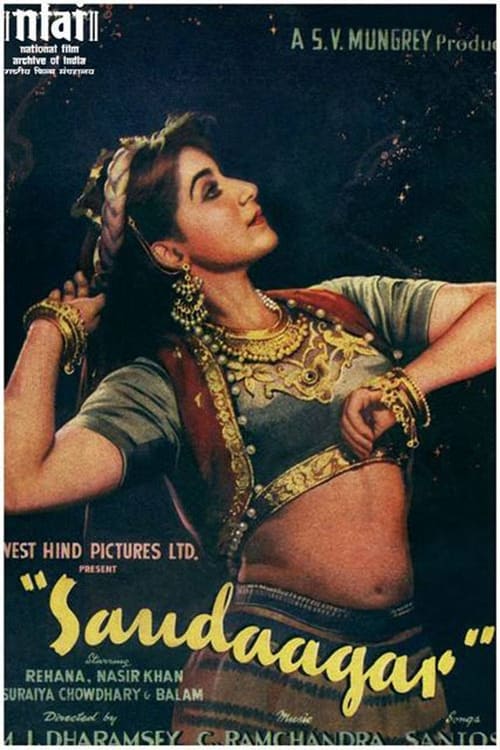

Surajmukhi
Surajmukhi is a 1950 Bollywood film directed by O.P. Dutta, starring Rehana, Shyam, and Gope. Produced by L. Prashad under the Madhuban banner, the film also featured Yashodra Katju and Durga Khote in key roles. The music for the film was composed by Husanlal Bhagatram.


Sasidharan
Sashidharan, the graduate son of the landlord Panikker falls in love with Vilasini, the daughter of a poor widow Kalyani Amma . A crooked local newspaper editor and the lecherous city wastrel Rajasekharan form a tricky plot turning Panikker against his sons wish to marry Vilasini.

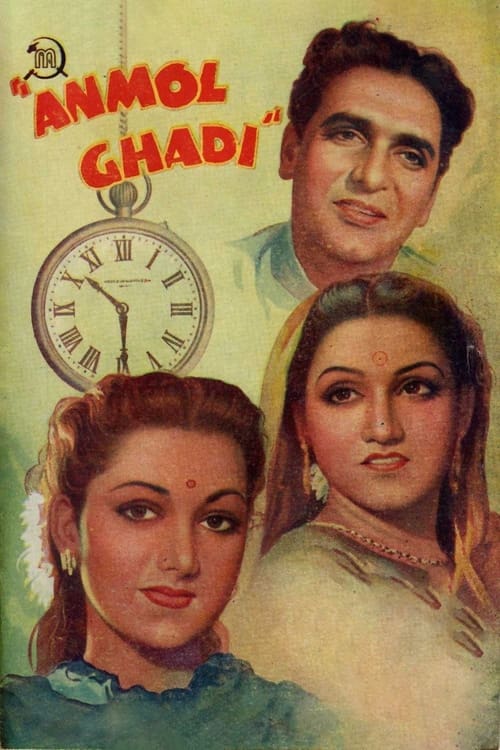
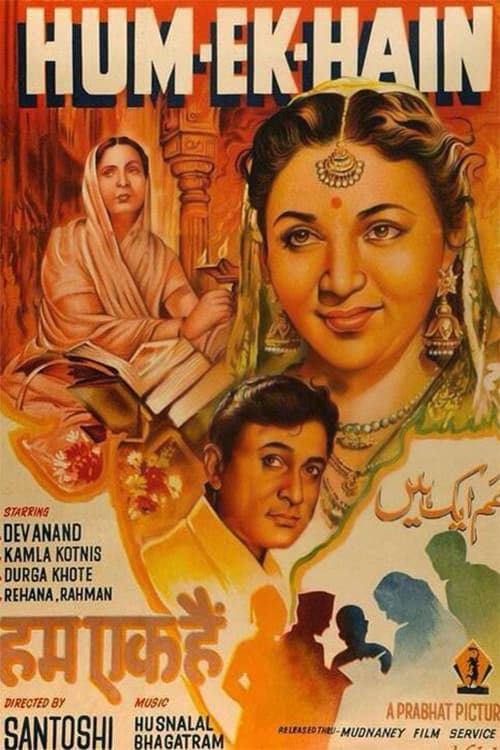
Hum Ek Hain
Zamindari Ma, the old landlady of a village supports its people during a famine and raises three orphaned children of differing religions. The children, although encouraged to practice their separate religions, are taught to remain united at all times.
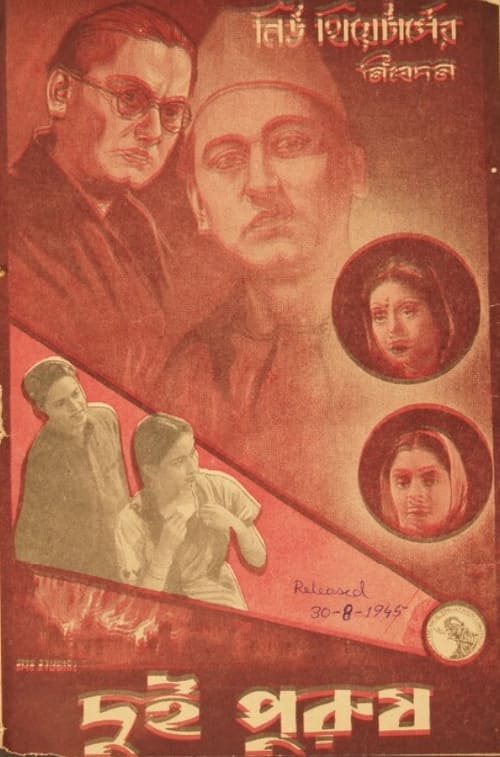
Two Generations
One of the early films of Chhabi Biswas featuring him as a leading man, before he came to be associated with the dominating patriarch roles that have become iconic in Bengali cinema, the film is a tale of the love, relationships and ideals of two generations. Nutubihari is an idealist who has given up his love for Kalyani for the sake of his beliefs. He marries Bimala and becomes a lawyer, fighting for the rights of the poor against the feudal lords. Meanwhile, Kalyani comes to ask refuge after she becomes a widow and is inexplicably accepted by Bimala with a lot of warmth. As the years pass Kalyani's daughter Mamata and Nutu's oldest son Arun fall in love and wish to get married. However, the new-found fame and fortune turns his head and Nutu begins to resemble all the ideals and vices that he had always despised. On the other hand in an ironical turn of events, Arun comes to occupy the position once held by his father, highlighting the generational conflict of ideals.

Tadbir
A man's birth is foretold by an astrologer: he will follow a prostitute, wield a knife, and face the gallows. These prophecies come true in unexpected ways, as he finds salvation through a sacrificing prostitute, becomes a surgeon, and battles personal demons, all while grappling with destiny.


Basant
Impoverished singers Uma and her brother Babul are discovered by Nirmal. Uma becomes a star and marries Nirmal, but his insecurity leads him to abandon her and their daughter, Manju. When he finds Uma back on stage, he abducts Manju. After years, the family reunites, and Uma returns to a homemaker role.


Punar Milan
A quarrel at a birthday party ends in a guest’s death, and the son takes the blame to protect his father. Fleeing to the city, he struggles until a street dancer helps him, and the two grow close. A chance encounter between the dancer and the man’s sister sets off events involving love, misunderstandings, and the eventual unveiling of the truth.
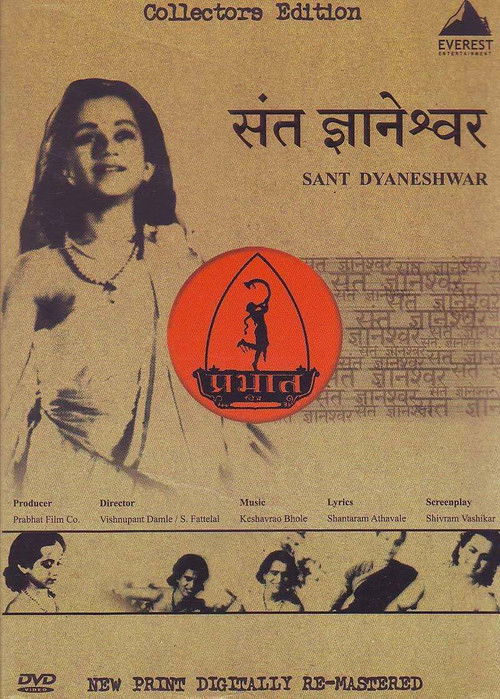
Saint Dnyaneshwar
It's the story of a boy who finds enlightenment by experiencing religious hipocrisy and dogmatism. Dnyaneshwar liberated the "divine knowledge" locked in the Sanskrit language to bring that knowledge into Prakrit (Marathi) and made it available to the common man.

The Rebel
An allegory of contemporary political attitudes presented in terms of differing approaches to the institutionalisation of sexuality: marriage. There are three college friends: the liberal Vijay the conservative Loknath and Jagdish, a careerist. Vijay rescues a damsel in distress and marries her. Later, his son Anand repeats his father's history by rescuing Jagdish's daughter from a bandit and marrying her, resolving the differences between the three friends.
