🌟 Award-Worthy Movies (78 results)
Clear all filters
Basant
Impoverished singers Uma and her brother Babul are discovered by Nirmal. Uma becomes a star and marries Nirmal, but his insecurity leads him to abandon her and their daughter, Manju. When he finds Uma back on stage, he abducts Manju. After years, the family reunites, and Uma returns to a homemaker role.

Nartaki
Roop Kumari (Leela Desai) a famous court dancer is forbidden entry into a temple monastery run by a strict disciplinarian Priest. The cast listed here is for the Hindi version, there is also a Bengali version with a different cast, but same director and release year.
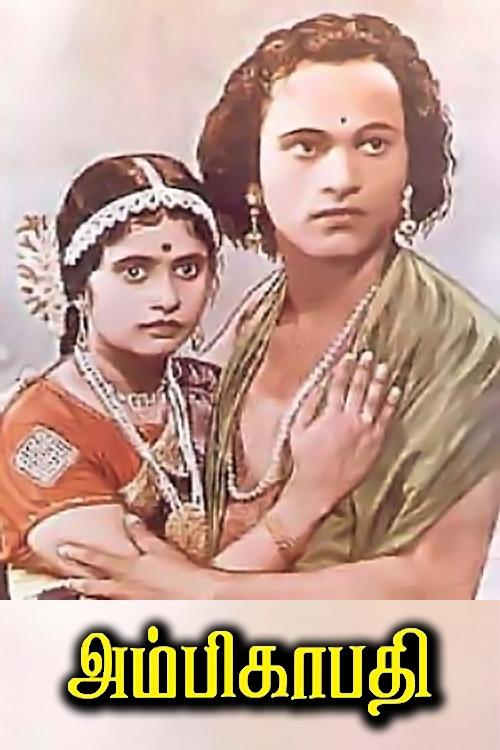
Ambikapathy
The film is based on a story set in the Chola Empire in year 1083 AD. The titular character in the story is Ambikapathy (M K. Thyagaraja Bhagavathar), the son of the Tamil poet Kambar (Serugulathur Sama) who is in love with the Chola princess and daughter of Kulothunga Chola, Amaravati (played by M. R. Santhanalakshmi). The king objects to their love and insists on testing Ambikapathy's literary mettle before judging his worth. The test given to Ambikapathi is that he should write and sing a hundred poems in the field of Puram (dealing with war and politics). The poems should not have any reference to the field of Aram (dealing of love and romance). Ambikapathi begins the test in the King's court with a Kadavul Vaazhthu (invocation to God). Amaravathi who is keeping the count, mistakes the invocation as a poem and counts it as poem number one.
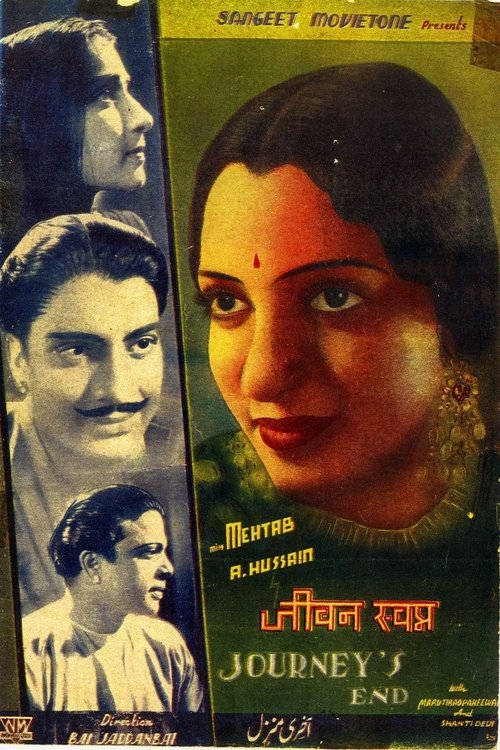
Jeevan Swapna
"Journeys End" a traditional tale told by one of the pioneers in Indian cinema, Jaddanbai Hussain (1892-1949).

King of Ayodhya
Ayodhyecha Raja, literally "The King of Ayodhya", was the first Marathi talkie. It is based on the mythological story of Raja Harishchandra of Ayodhya and his test by sage Vishwamitra, as recounted in Valmiki's epic, Ramayana. The film was also made as a double-version, Ayodhya Ka Raja (1932) in Hindi, making it the first double version talkie of Indian cinema.