🌟 Award-Worthy Movies (97 results)
Clear all filters

Spartacus
The rebellious Thracian Spartacus, born and raised a slave, is sold to Gladiator trainer Batiatus. After weeks of being trained to kill for the arena, Spartacus turns on his owners and leads the other slaves in rebellion. As the rebels move from town to town, their numbers swell as escaped slaves join their ranks. Under the leadership of Spartacus, they make their way to southern Italy, where they will cross the sea and return to their homes.
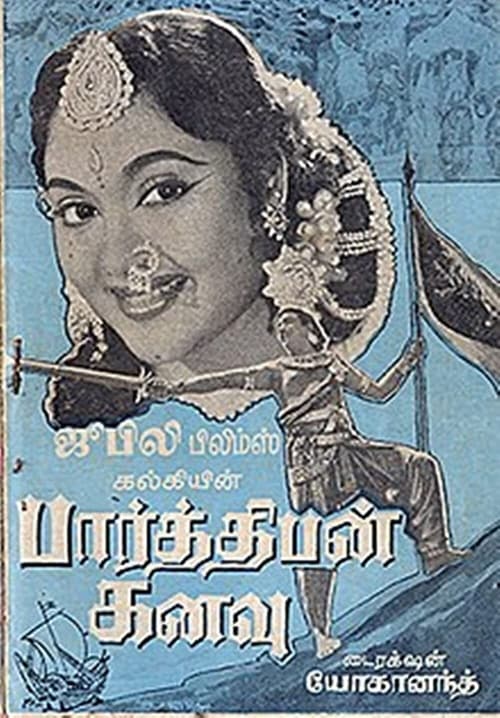
Parthiban Kanavu
7th century AD. Parthiban, the Chola King, dies in battle leaving incomplete his desire to be free from the yoke of the Pallavas. His son Vikraman (Gemini Ganesh) is determined to fulfill his father's dream. He is arrested by the Pallava king, Narasimhavarman and exiled to an island where he is chosen the king
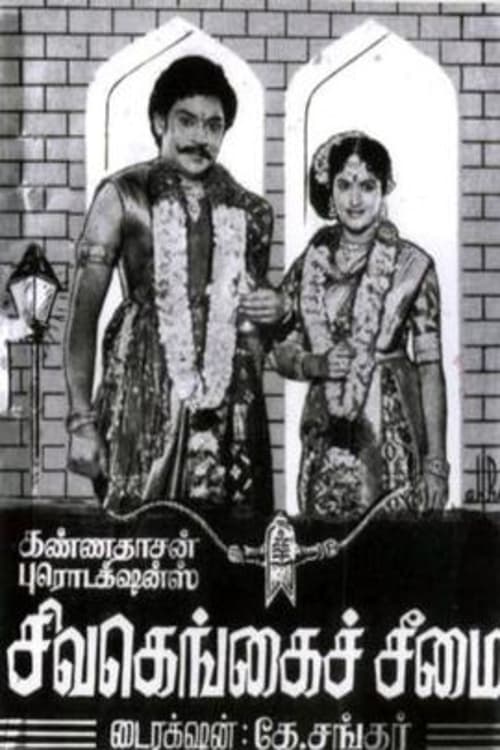


Patrani
The story is about King Karma Dev who gives a lot of importance to physical beauty. His mother, the Rajmata requests Mahamantri Munjal to find him a nice wife. Karma Dev often dreams of marrying an unknown beautiful woman he had once seen in the Somnath temple. Meanwhile, Mrinalla is the princess of Karnataka, who also dreams of marrying a king she had once seen in the Somnath temple. When Munjal happens to see the beautiful woman Mrinalla, he shows the King's portrait to her and she is happy to finally find the man of her dreams. So she runs away from the palace and searches for Karma Dev to marry him. Soon after, Munjal shows Mrinalla's painting to Karma Dev, who agrees to marry her. On the day of the marriage, the King finds out she is dark and refuses to marry her. After several incidents, Karma Dev realizes his mistake and at last he happily accepts Mrinalla as his Patrani.
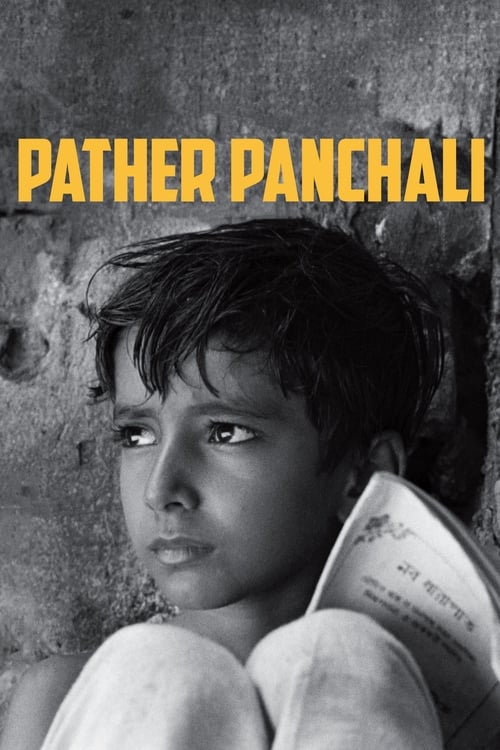
Pather Panchali
Impoverished priest Harihar Ray, dreaming of a better life for himself and his family, leaves his rural Bengal village in search of work. Alone, his wife, Sarbojaya, looks after her rebellious daughter, Durga, and her young son, Apu, as well as Harihar's elderly aunt Indir. The children enjoy the small pleasures of their difficult life, while their parents suffer the daily indignities heaped upon them.
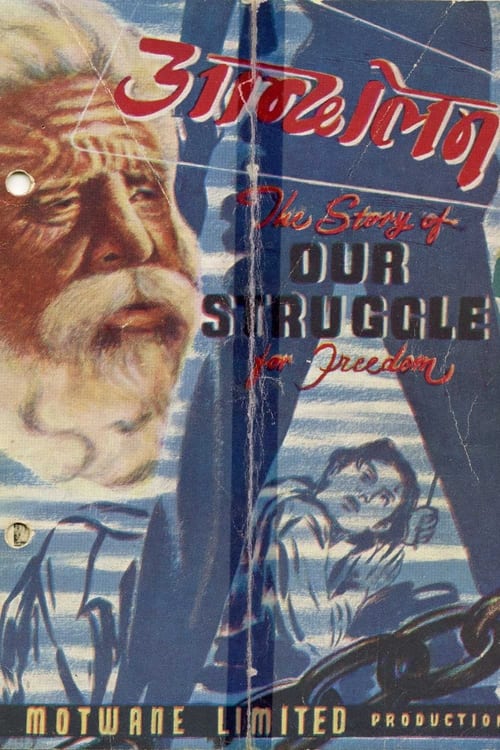
Our Struggle
A stridently nationalistic story of India’s freedom struggle, presented through the experiences of a Bengali family from 1885, when the Indian National Congress was established, to 1947. Important events incorporated into the plot were Gandhi’s satyagraha (1920), the Simon Commission (1928), Vallabhbhai Patel’s Bardoli satyagraha (1928) and the 1942 Quit India agitations. Krishan Chander’s script, Sachin Shankar’s choreography and the acting styles owed much to the IPTA theatre of the 40s. The film, made at Bombay Talkies, was produced by the distributors of the Chicago Radio PA systems label. Kishore Kumar plays the militant hero of this quasi-documentary. Motwane included old documentary footage purchased from Kohinoor and Krishna Film, as well as a shot of Rabindranath Tagore singing his Jana Gana Mana composition, one of India’s national anthems (Arunkumar Roy’s Of Tagore and Cinema, 1994, traces this footage to Ufa, shot when Tagore visited Munich)
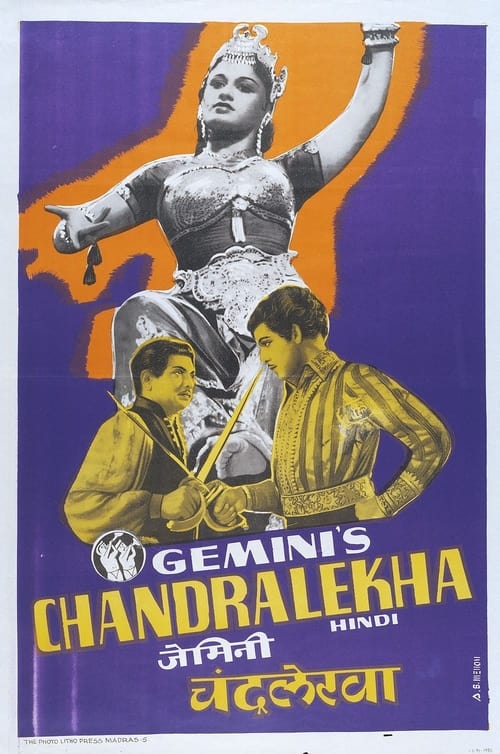
Chandralekha
Brothers Veer and Shashank fall in love with Chandralekha. Shashank kidnaps her and forces her to marry him. She requests a special drum dance prior to the wedding. The drums, however, hold a secret.
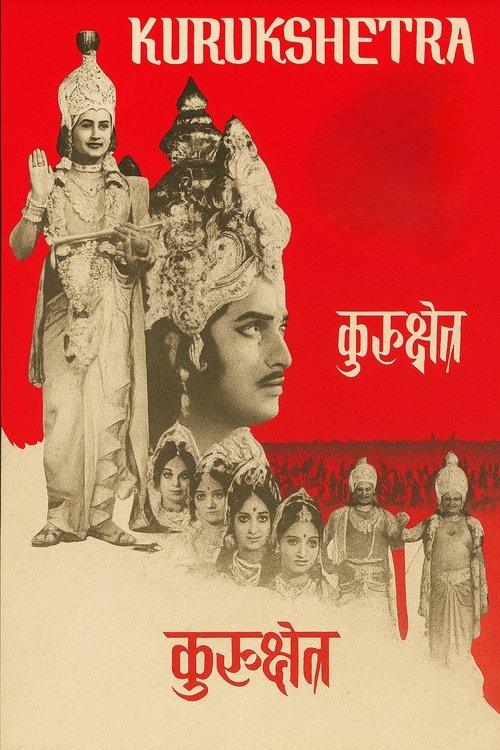
Kurukshetra
A combination of the epic story of the Mahabharata with contemporary social issues. It starts with a focus on a new social order, featuring three social workers, including Suvarnarekha, dedicated to eliminating idleness. The main narrative then unfolds by incorporating well-known mythological events like the Draupadi Swayamvar and the Sabha (Court) incident, progressing toward the Kurukshetra war. Throughout the film, these epic sequences are mixed with modern "social sequences" and philosophical lessons from the Bhagavad Gita in an attempt to address and provide solutions for national problems.

Vikramaditya
A legendary king of Avanti, Vikramaditya, pledges to protect Princess Shreelakha of Kashmir from the Shakas, appointing Kalidas as his court poet. The film depicts Vikramaditya's heroic battles, his eventual defeat of Shakaraj, and the restoration of Kashmir's kingdom.

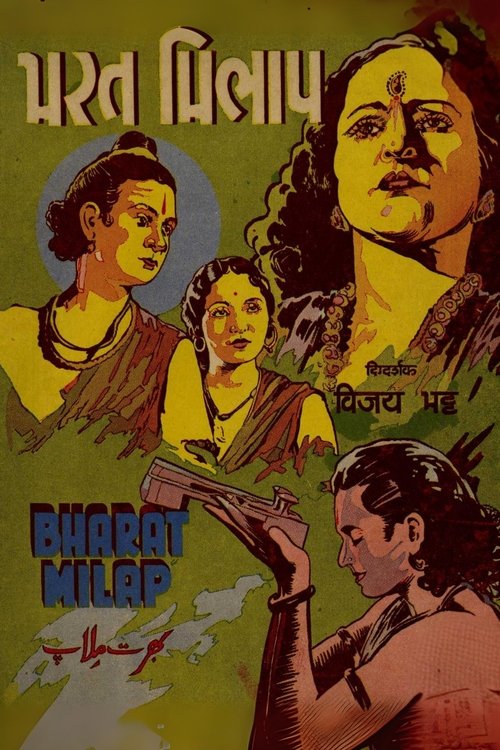
Bharat Milap
Queen Kaikeyi exiles Rama and demands Bharat be king. Bharat, devoted to Rama, refuses the throne and goes to the forest, urging Rama to return. Rama insists on upholding his father's vow. Bharat then rules Ayodhya as Rama's regent, placing Rama's sandals on the throne until his return.

Dharmatma
Sant Eknath, a 16th-century poet-saint who challenges caste discrimination by serving and dining with the untouchables. His actions provoke outrage from orthodox Brahmins, leading to his excommunication. Despite opposition, Eknath stands firm in his belief in equality and devotion, inspiring others to join his cause and defending his principles through his spiritual teachings.

Judgement of Allah
Set in the Ottoman Empire, it deals with the Caesar's (Pande) army and its skirmishes with the local Muslim rulers. The Sultan's (Asooji) son Ziyad (Kumar) is arrested by the Roman army. The Roman princess Rahil falls in love with him. A Muslim maid Leela (Sitara Devi) and the princess help him escape. Long chase scenes and fights follow, which ultimately lead to success for Ziyad and his people.

Dakshayagna
Dakshayagna is a pivotal tale in Hindu mythology. It recounts the grand sacrifice ritual organized by Daksha, where his daughter Sati, wife of Lord Shiva, tragically immolates herself due to her father's insult to her husband. Enraged by this, Shiva destroys the sacrifice, leading to the creation of the Shakti Pithas. This event also sets the stage for the reincarnation of Sati as Parvati, who later marries Shiva. The story is central to understanding the complexities of Hindu deities and their interactions.