🌟 Award-Worthy Movies (14 results)
Clear all filters


The Golden Cage
It is an early winter morning in Kolkata in 1989 and the palatial old "Roy Choudhury" house lies dilapidated, housing the last few members of a once huge affluent joint family. Rudro, the younger brother of the last generation, an under-confident, nondescript man in his mid-30s tries to convince Rajatabho, the eldest of the brothers to take up the offer of selling the house in a desperate attempt to save themselves from bankruptcy. Rajatabho, however, is unrelenting. Rudro, later tries to convince Anjali, Rajatabho's wife, to help change her husband's mind. Later in the day, a crying Anjali grinds down sleeping pills on her kitchen slab. She reminisces down memory lane through each nook and corner of the house as she does this. Finally, at dusk, as Anjali stands alone on the terrace holding a bottle of sleeping pills, Rajatabho suddenly arrives and they look eye to eye for the first time in months.
Brahmarshi Vishwamitra
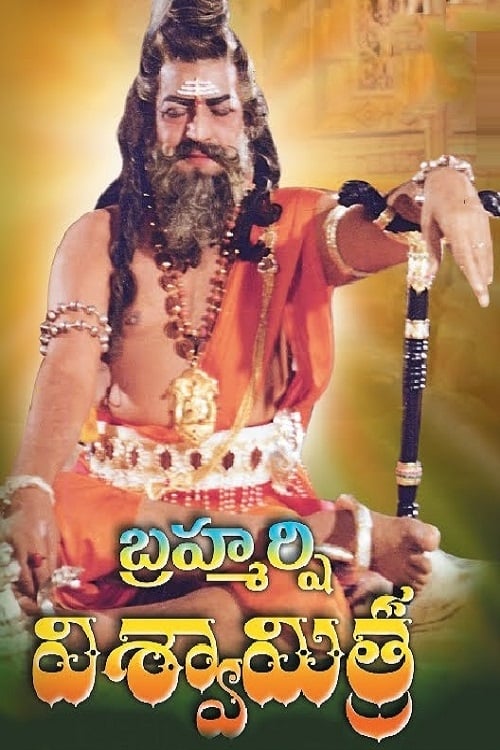
The story is based on the life of Vishvamitra, who is one of the most venerated sages of ancient times in India. At last, Vishwamitra penance power reaches to heights of Himalayas where he utilizes it to the welfare of the universe by preaching great Gayatri Mantra and the movie ends Vishwamitra becoming one among the stars of the universe at Saptarishi Mandalam.

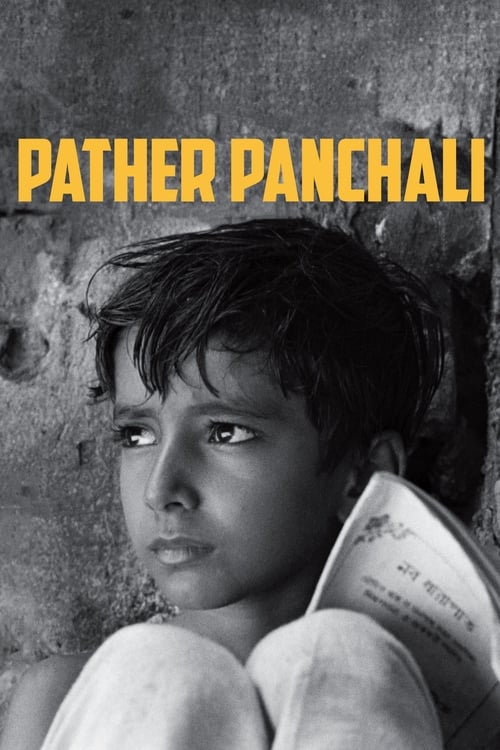
Pather Panchali
Impoverished priest Harihar Ray, dreaming of a better life for himself and his family, leaves his rural Bengal village in search of work. Alone, his wife, Sarbojaya, looks after her rebellious daughter, Durga, and her young son, Apu, as well as Harihar's elderly aunt Indir. The children enjoy the small pleasures of their difficult life, while their parents suffer the daily indignities heaped upon them.
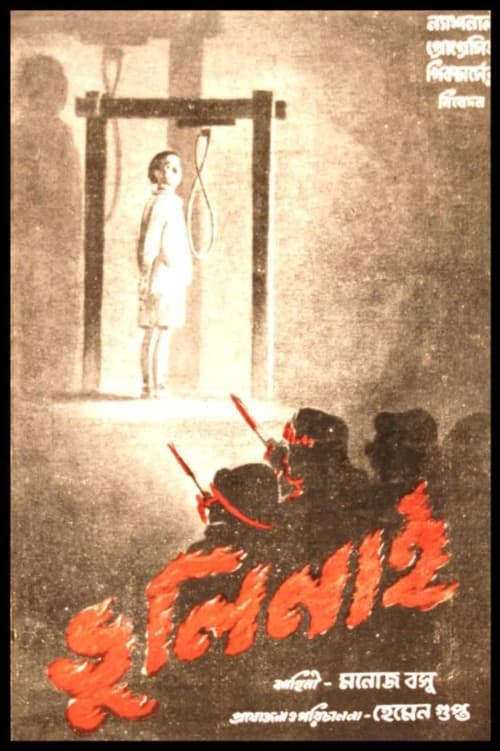
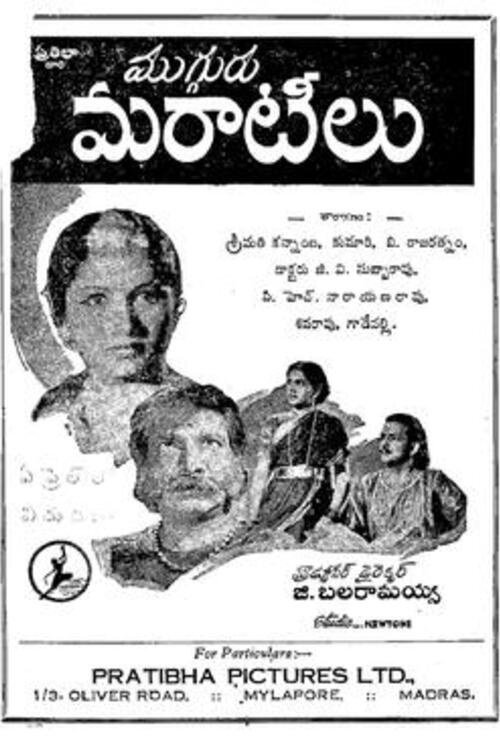
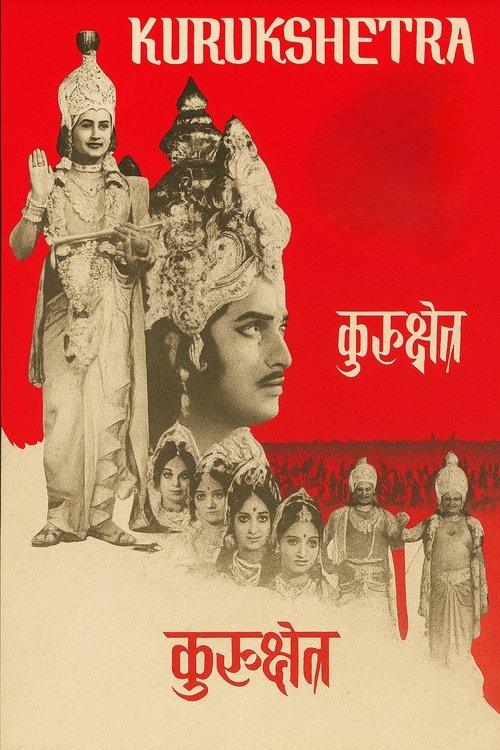
Kurukshetra
A combination of the epic story of the Mahabharata with contemporary social issues. It starts with a focus on a new social order, featuring three social workers, including Suvarnarekha, dedicated to eliminating idleness. The main narrative then unfolds by incorporating well-known mythological events like the Draupadi Swayamvar and the Sabha (Court) incident, progressing toward the Kurukshetra war. Throughout the film, these epic sequences are mixed with modern "social sequences" and philosophical lessons from the Bhagavad Gita in an attempt to address and provide solutions for national problems.

Vikramaditya
A legendary king of Avanti, Vikramaditya, pledges to protect Princess Shreelakha of Kashmir from the Shakas, appointing Kalidas as his court poet. The film depicts Vikramaditya's heroic battles, his eventual defeat of Shakaraj, and the restoration of Kashmir's kingdom.

Judgement of Allah
Set in the Ottoman Empire, it deals with the Caesar's (Pande) army and its skirmishes with the local Muslim rulers. The Sultan's (Asooji) son Ziyad (Kumar) is arrested by the Roman army. The Roman princess Rahil falls in love with him. A Muslim maid Leela (Sitara Devi) and the princess help him escape. Long chase scenes and fights follow, which ultimately lead to success for Ziyad and his people.

Dakshayagna
Dakshayagna is a pivotal tale in Hindu mythology. It recounts the grand sacrifice ritual organized by Daksha, where his daughter Sati, wife of Lord Shiva, tragically immolates herself due to her father's insult to her husband. Enraged by this, Shiva destroys the sacrifice, leading to the creation of the Shakti Pithas. This event also sets the stage for the reincarnation of Sati as Parvati, who later marries Shiva. The story is central to understanding the complexities of Hindu deities and their interactions.