🦋 Lighthearted Movies (2937 results)
Clear all filters

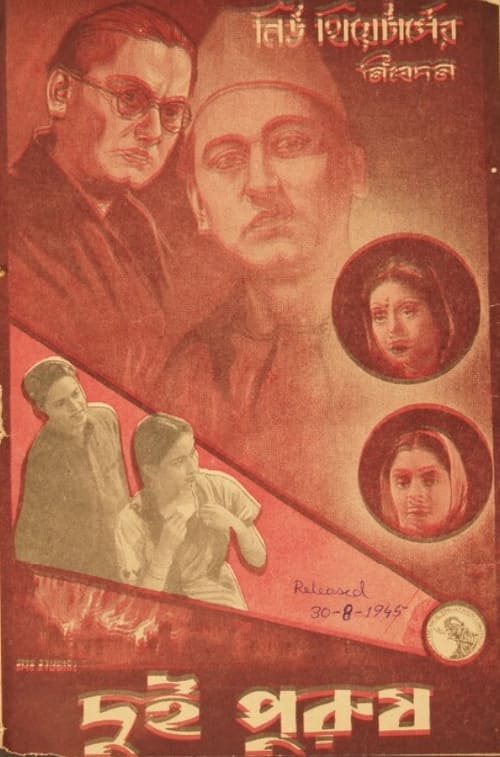
Two Generations
One of the early films of Chhabi Biswas featuring him as a leading man, before he came to be associated with the dominating patriarch roles that have become iconic in Bengali cinema, the film is a tale of the love, relationships and ideals of two generations. Nutubihari is an idealist who has given up his love for Kalyani for the sake of his beliefs. He marries Bimala and becomes a lawyer, fighting for the rights of the poor against the feudal lords. Meanwhile, Kalyani comes to ask refuge after she becomes a widow and is inexplicably accepted by Bimala with a lot of warmth. As the years pass Kalyani's daughter Mamata and Nutu's oldest son Arun fall in love and wish to get married. However, the new-found fame and fortune turns his head and Nutu begins to resemble all the ideals and vices that he had always despised. On the other hand in an ironical turn of events, Arun comes to occupy the position once held by his father, highlighting the generational conflict of ideals.

Tadbir
A man's birth is foretold by an astrologer: he will follow a prostitute, wield a knife, and face the gallows. These prophecies come true in unexpected ways, as he finds salvation through a sacrificing prostitute, becomes a surgeon, and battles personal demons, all while grappling with destiny.


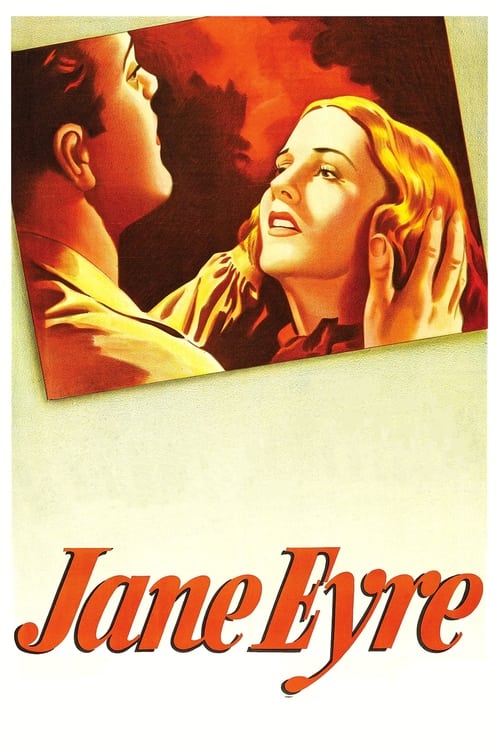
Jane Eyre
After a bleak childhood, Jane Eyre goes out into the world to become a governess. As she lives happily in her new position at Thornfield Hall, she meets the dark, cold, and abrupt master of the house, Edward Rochester. Jane and her employer grow close in friendship and she soon finds herself falling in love with him. Happiness seems to have found Jane at last, but could Rochester's terrible secret be about to destroy it forever?

Wapas
Two young friends bond when they visit the village fair. They fall in love. What seems like a simple story soon turns into a conflict zone between families and when pride is hurt love is sure to suffer. Wapas is a tale of wronged love. Will the young lovers be able to bury their differences and find love again?

Shakuntala
Following a passionate encounter with King Dushyanta (Chandramohan), the comely Shakuntala (Jayashree) finds herself pregnant and rejected by the royal court. She gives birth in a forest to a son which she names Bharat (Kumar Ganesh). When the King tracks his former lover down and tries to take her back, she flatly refuses him.

Basant
Impoverished singers Uma and her brother Babul are discovered by Nirmal. Uma becomes a star and marries Nirmal, but his insecurity leads him to abandon her and their daughter, Manju. When he finds Uma back on stage, he abducts Manju. After years, the family reunites, and Uma returns to a homemaker role.


Nartaki
Roop Kumari (Leela Desai) a famous court dancer is forbidden entry into a temple monastery run by a strict disciplinarian Priest. The cast listed here is for the Hindi version, there is also a Bengali version with a different cast, but same director and release year.

Punar Milan
A quarrel at a birthday party ends in a guest’s death, and the son takes the blame to protect his father. Fleeing to the city, he struggles until a street dancer helps him, and the two grow close. A chance encounter between the dancer and the man’s sister sets off events involving love, misunderstandings, and the eventual unveiling of the truth.

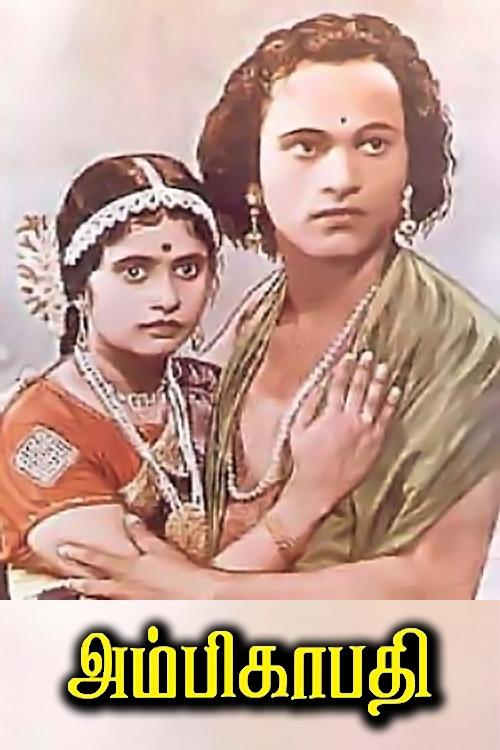
Ambikapathy
The film is based on a story set in the Chola Empire in year 1083 AD. The titular character in the story is Ambikapathy (M K. Thyagaraja Bhagavathar), the son of the Tamil poet Kambar (Serugulathur Sama) who is in love with the Chola princess and daughter of Kulothunga Chola, Amaravati (played by M. R. Santhanalakshmi). The king objects to their love and insists on testing Ambikapathy's literary mettle before judging his worth. The test given to Ambikapathi is that he should write and sing a hundred poems in the field of Puram (dealing with war and politics). The poems should not have any reference to the field of Aram (dealing of love and romance). Ambikapathi begins the test in the King's court with a Kadavul Vaazhthu (invocation to God). Amaravathi who is keeping the count, mistakes the invocation as a poem and counts it as poem number one.
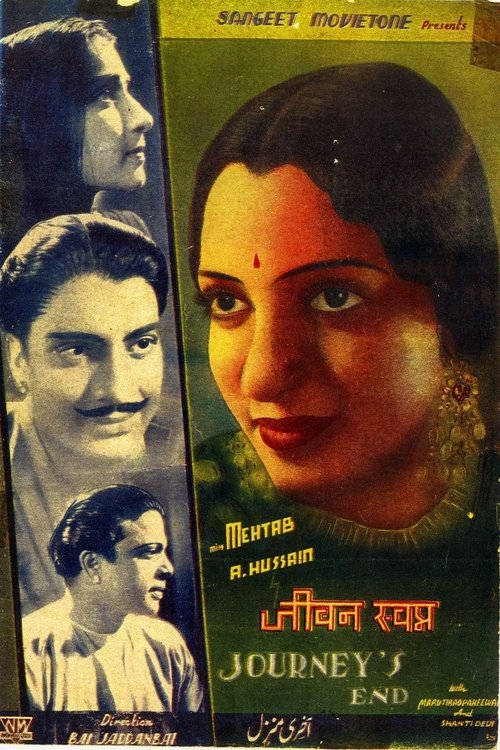
Jeevan Swapna
"Journeys End" a traditional tale told by one of the pioneers in Indian cinema, Jaddanbai Hussain (1892-1949).
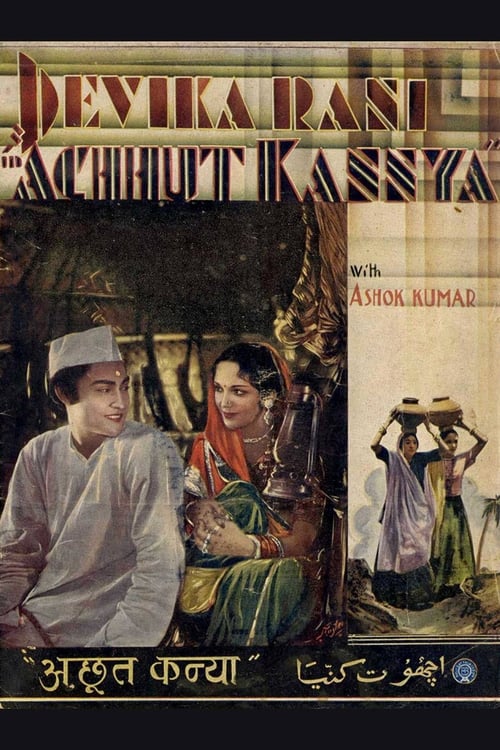
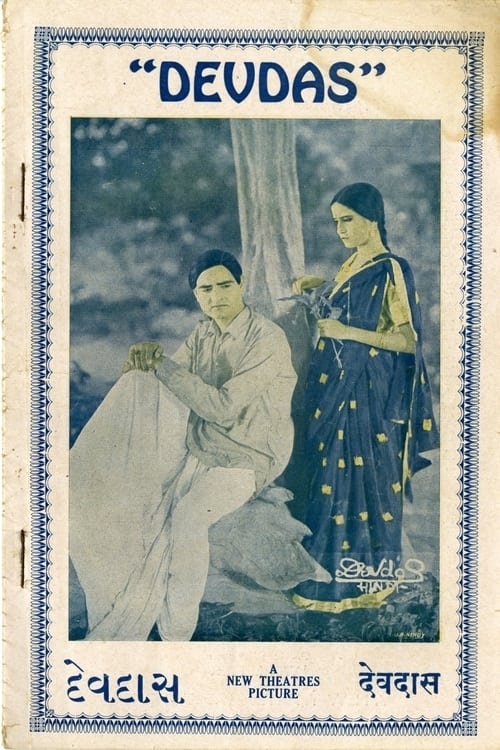
Devdas
Devdas, the son of a zamindar, and Parvati, his neighbour's daughter, are childhood sweethearts. However, class and caste differences prevent their marriage. Devdas is sent off to Calcutta, while Paro is married off to an aged rich widower. In Calcutta, as remorse drives him to alcohol, Devdas meets Chandramukhi, a tawaif.
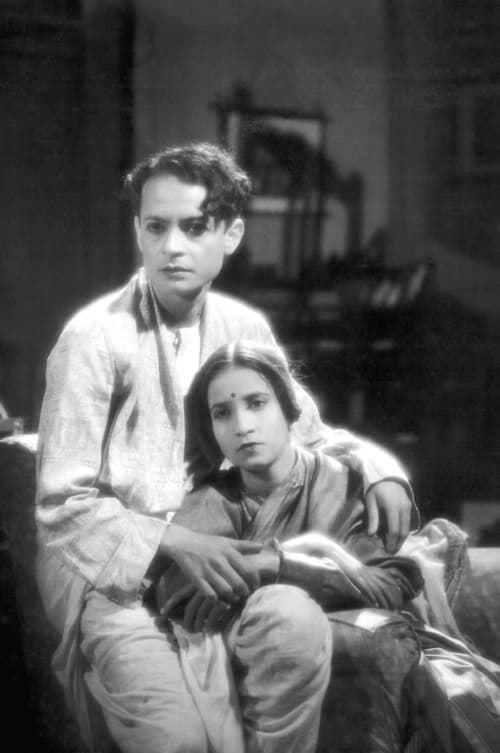
Devdas
Devdas, the son of a zamindar, and Parvati, his neighbour's daughter, are childhood sweethearts. However, class and caste differences prevent their marriage. Devdas is sent off to Calcutta, while Paro is married off to an aged rich widower. In Calcutta, as remorse drives him to alcohol, Devdas meets Chandramukhi, a prostitute. All Indian prints of this Bengali version were destroyed in a fire that ravaged New Theatre’s studios. Today, only one copy of the film survives which belongs to the Bangladesh Film Archives. Of that copy almost forty percent is destroyed.
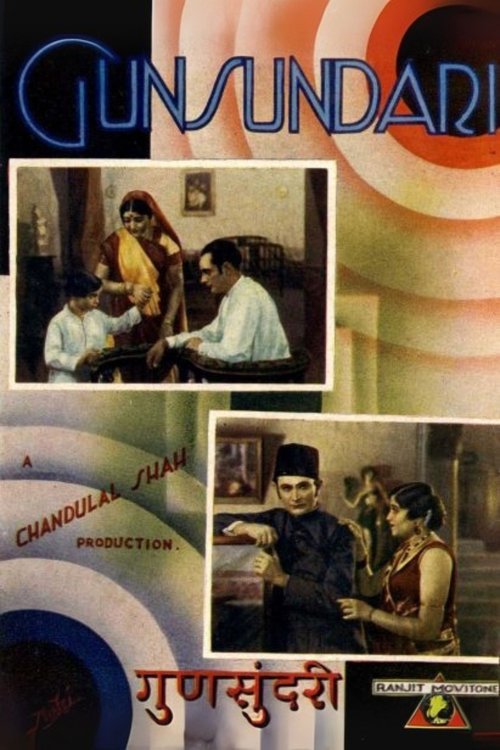
Gunsundari
Gunsundari, the dutiful wife, acts as savior for her troubled joint family. Her father-in-law Shyamaldas battles alcoholism and accusations, while her husband Chandrakant falls prey to villains and a prostitute, losing his property. Gunsundari also aids her sister-in-law Sushila through marital woes, facing personal trouble due to a secret. Destitute, she eventually reunites with a similarly down-on-his-luck Chandrakant on the streets. A coincidence ultimately reveals Shyamaldas left his property to his estranged son, leading to a happy ending.
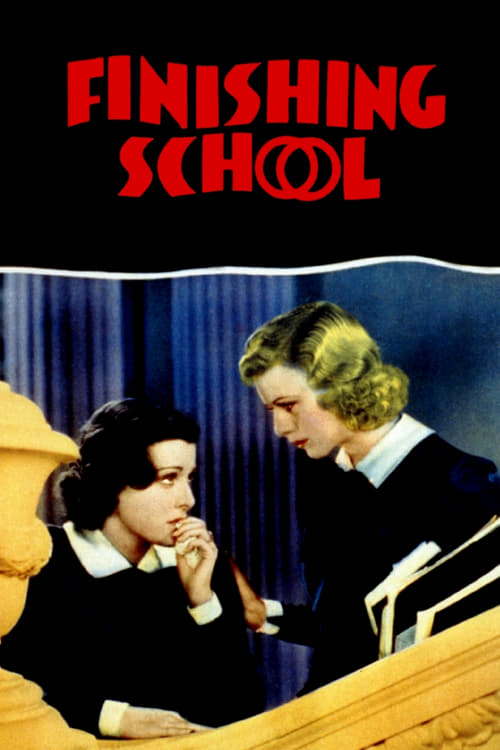
Finishing School
Virginia, who studies at a boarding school for upper-class girls, falls in love with a medical intern who works as a waiter for a living. Both the director of the school and her mother oppose such a relationship.

King of Ayodhya
Ayodhyecha Raja, literally "The King of Ayodhya", was the first Marathi talkie. It is based on the mythological story of Raja Harishchandra of Ayodhya and his test by sage Vishwamitra, as recounted in Valmiki's epic, Ramayana. The film was also made as a double-version, Ayodhya Ka Raja (1932) in Hindi, making it the first double version talkie of Indian cinema.