🌟 Award-Worthy Movies (1827 results)
Clear all filters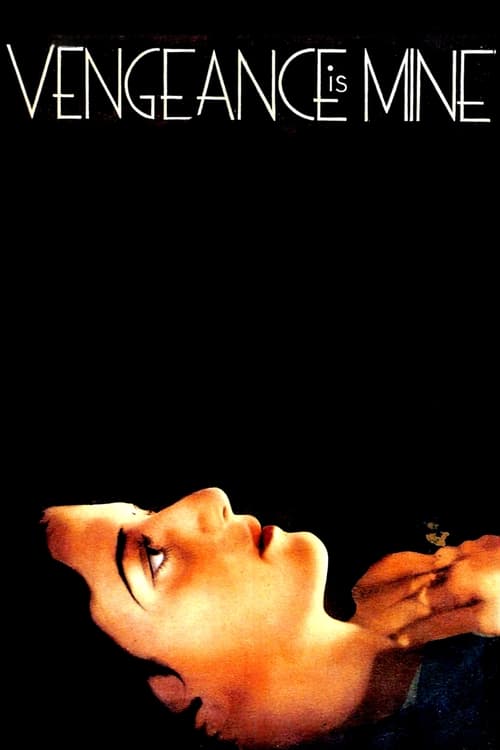
Vengeance Is Mine
Film starring Sitara Devi and Kumar.

Dharmatma
Sant Eknath, a 16th-century poet-saint who challenges caste discrimination by serving and dining with the untouchables. His actions provoke outrage from orthodox Brahmins, leading to his excommunication. Despite opposition, Eknath stands firm in his belief in equality and devotion, inspiring others to join his cause and defending his principles through his spiritual teachings.
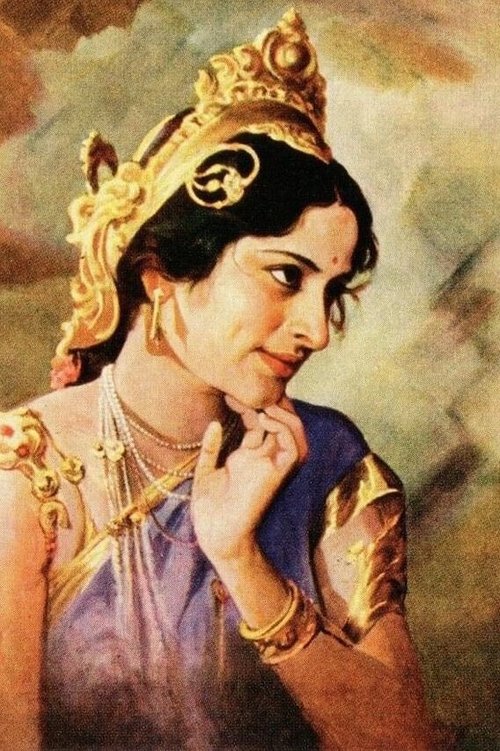
Usha
The demonic King Banasur, a devout disciple of Shiva, wants to eliminate Vishnu and his followers in the guise of Krishna, king of Dwarka and an incarnation of Vishnu. Krishna overcomes Banasur's designs by getting his daughter Usha to fall in love in with Aniruddha.

Judgement of Allah
Set in the Ottoman Empire, it deals with the Caesar's (Pande) army and its skirmishes with the local Muslim rulers. The Sultan's (Asooji) son Ziyad (Kumar) is arrested by the Roman army. The Roman princess Rahil falls in love with him. A Muslim maid Leela (Sitara Devi) and the princess help him escape. Long chase scenes and fights follow, which ultimately lead to success for Ziyad and his people.
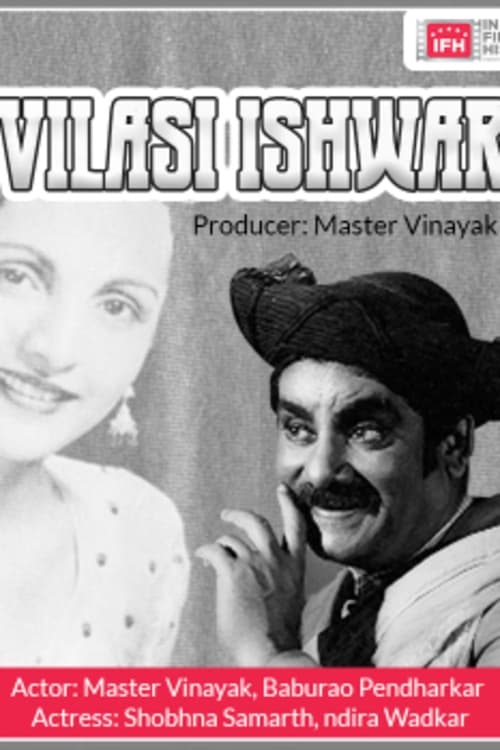
Vilasi Ishwar
It is a melodrama about tlie rich and callous Vilas who abandons girlfriend Shama when he discovers that she is pregnant. She raises her son Nandu with the help of her younger brother and the film's hero, Sanjeev. When Vilas re-enters thier lives, it is with a new name, Ishwar, and with the intention of seducing the rich Princess Indira who loves Sanjeev. Ishwar has a bad accident and an attack of amnesia that also leads to a confession of his past deeds.

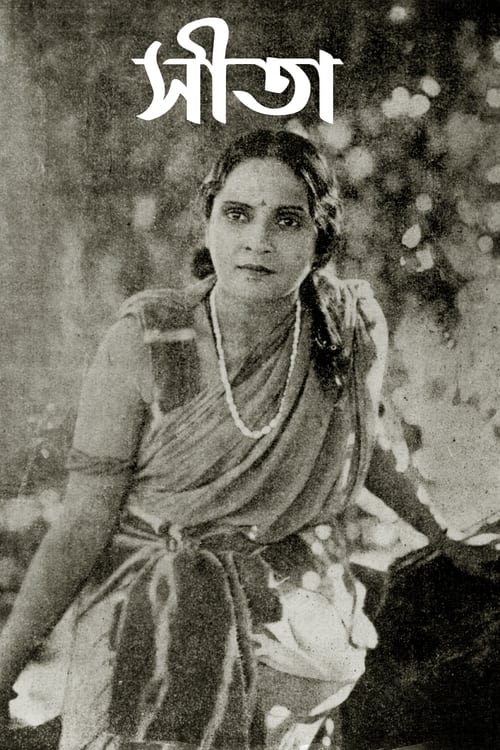
Seeta
Seeta was a 1933 Indian talkie Bengali film, directed by Debaki Bose and produced by the East India Film Company.[1] It won an honorary diploma in the 2nd Venice International Film Festival in 1934, becoming the first Indian talkie to be shown at an international film festival.

Dakshayagna
Dakshayagna is a pivotal tale in Hindu mythology. It recounts the grand sacrifice ritual organized by Daksha, where his daughter Sati, wife of Lord Shiva, tragically immolates herself due to her father's insult to her husband. Enraged by this, Shiva destroys the sacrifice, leading to the creation of the Shakti Pithas. This event also sets the stage for the reincarnation of Sati as Parvati, who later marries Shiva. The story is central to understanding the complexities of Hindu deities and their interactions.
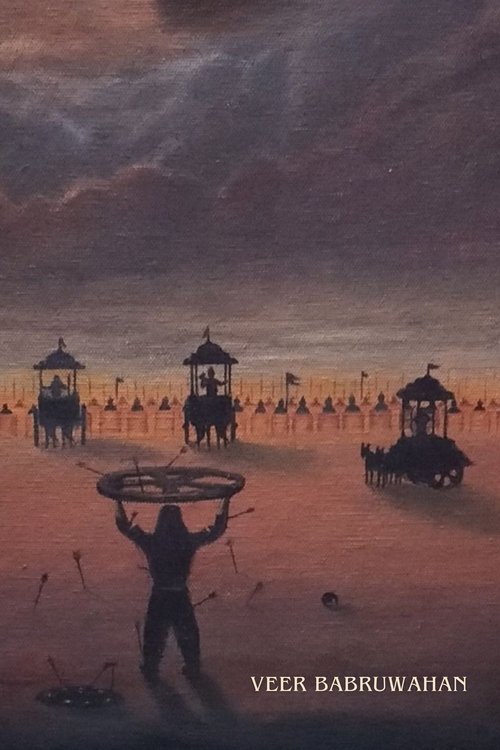
Veer Babruwahan
In this mythological tale, Babruwahan, son of Arjuna, returns from the Mahabharata war. He defiantly stops a horse from his father's army, leading to a battle in which he beheads Arjuna. As he prepares to commit suicide, Krishna appears, instructing him to retrieve the magical Sanjivani Mani from the land of the serpents to revive his father. This quest pits him against Ullupi, the serpent king's daughter and a former wife of Arjuna. When she surrenders the Mani but takes Arjuna's head instead, Krishna is forced to intervene to resolve the situation.
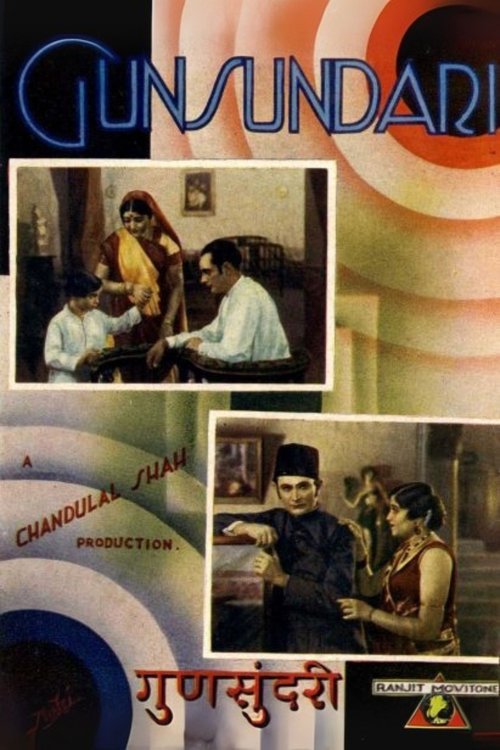
Gunsundari
Gunsundari, the dutiful wife, acts as savior for her troubled joint family. Her father-in-law Shyamaldas battles alcoholism and accusations, while her husband Chandrakant falls prey to villains and a prostitute, losing his property. Gunsundari also aids her sister-in-law Sushila through marital woes, facing personal trouble due to a secret. Destitute, she eventually reunites with a similarly down-on-his-luck Chandrakant on the streets. A coincidence ultimately reveals Shyamaldas left his property to his estranged son, leading to a happy ending.
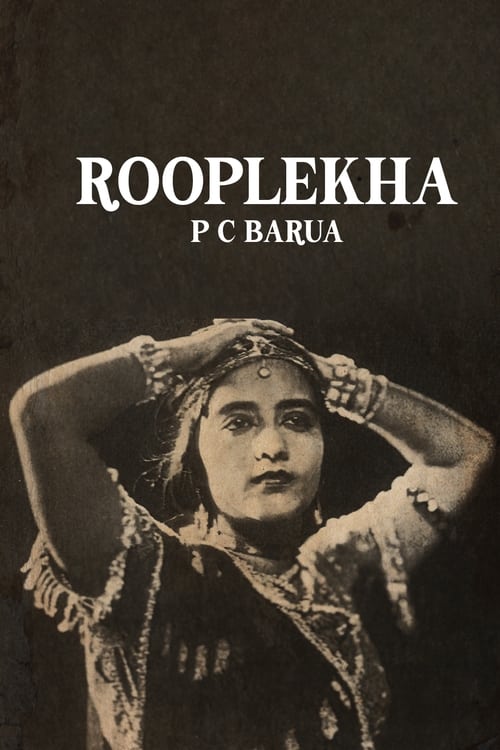

Rajrani Meera
Meera is immersed in her love and devotion to Lord Krishna since a young age. When she grows older, her family get her married to the Rana of Mewar. Misunderstandings occur when her devotional poetry is thought to be love songs for someone. Several hardships are inflicted on her by her husband and her in-laws. She takes to sitting in the temple and singing bhajans (sacred songs) composed by her. Her brother-in-law tries to have her killed many times, but fails. She finally renounces her life in the palace and wanders from place to place singing devotional songs.
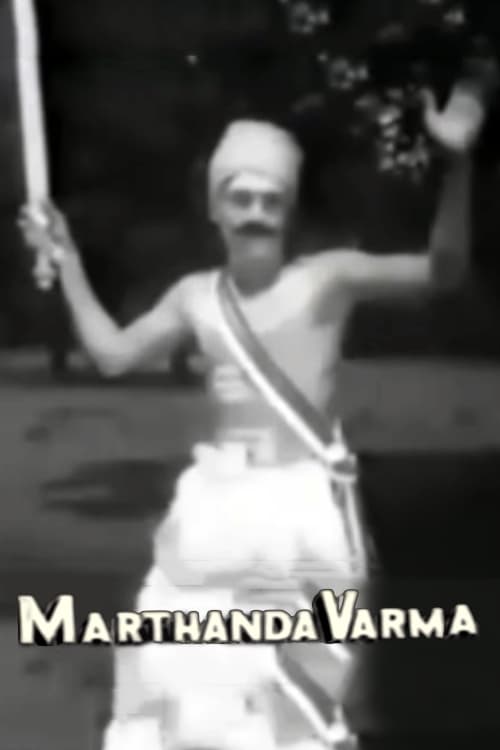

Lal-e-Yaman
Oriental fantasy derived from classic Parsee theatre. The heir to the Yemeni throne, Prince Parviz, is falsely imprisoned by his stepmother who claims power. Parviz receives a magic dagger from a mystic sufi fakir to liberate himself and his people. The dagger makes him invisible. He kills the Apeman and the genii, rescues the captive Princess Parizad and, finally, overwhelms the soldiers sent to recapture him. The king learns the truth and repents.


Narasinh Mehta
The first Gujarati feature film is a saint film about the life of Narasinh Mehta (1408-75), played by Master Manhar. Mehta is known for his evocative Prabhatiyan (morning hymns) and especially for his composition Vaishnava jana to ('The Vaishnav is he who knows the pain of others') made popular by Gandhi, who also adapted the poet's term Harijan (children of god) for the nation's Untouchables. The film adheres to the Gandhian interpretation of Narasinh Mehta's work, avoiding e.g. miracle scenes.

King of Ayodhya
Ayodhyecha Raja, literally "The King of Ayodhya", was the first Marathi talkie. It is based on the mythological story of Raja Harishchandra of Ayodhya and his test by sage Vishwamitra, as recounted in Valmiki's epic, Ramayana. The film was also made as a double-version, Ayodhya Ka Raja (1932) in Hindi, making it the first double version talkie of Indian cinema.
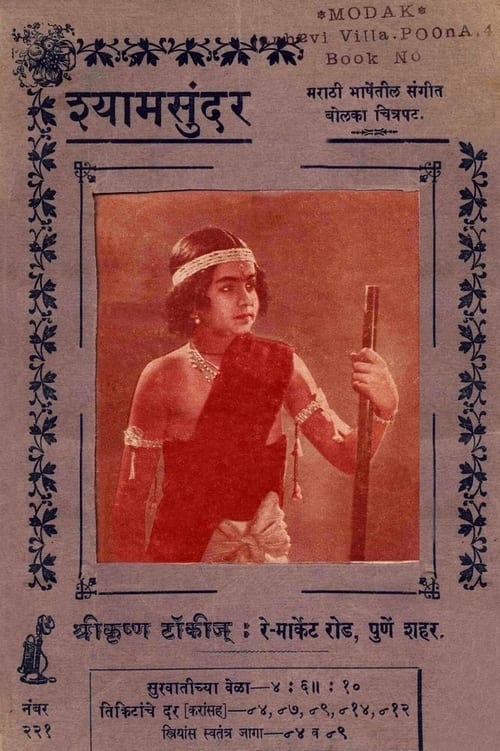
Shyam Sundar
Children's mythological drawn from the Vishnu Purana telling of the child Krishna (Modak). The film intercuts Krishna's rural escapades with Pendya and other childhood friends with palace intrigues in Mathura, where Kans receives a divine warning that the boy Krishna shall be the cause of his death.
Dena Paona
Dena Paona is a dramatic exploration of societal pressures and personal redemption. The film follows Sorashi, a strong-willed temple priestess, as she confronts the challenges of a troubled marriage and a disapproving community. Her journey towards self-discovery and reconciliation with her husband forms the heart of this compelling story.

Draupadi
A grand Mahabharata adaptation, this film focuses on Duryodhana's plot to usurp the Pandavas' kingdom. It culminates in the infamous dice game where Yudhishthira loses everything, including Draupadi, whose honor is miraculously saved by Krishna during a public humiliation.
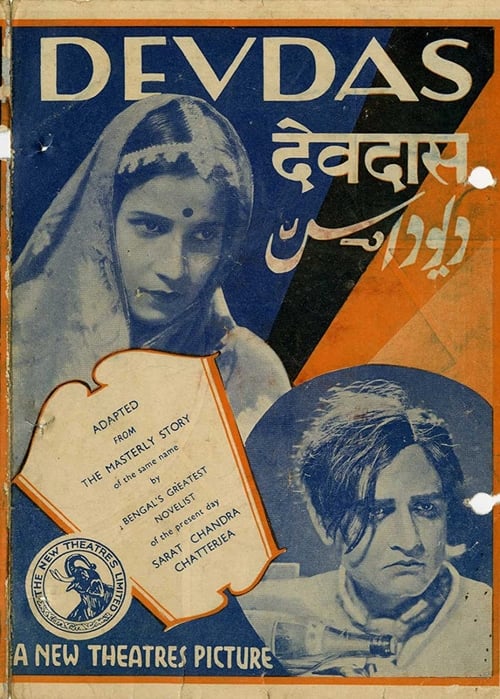
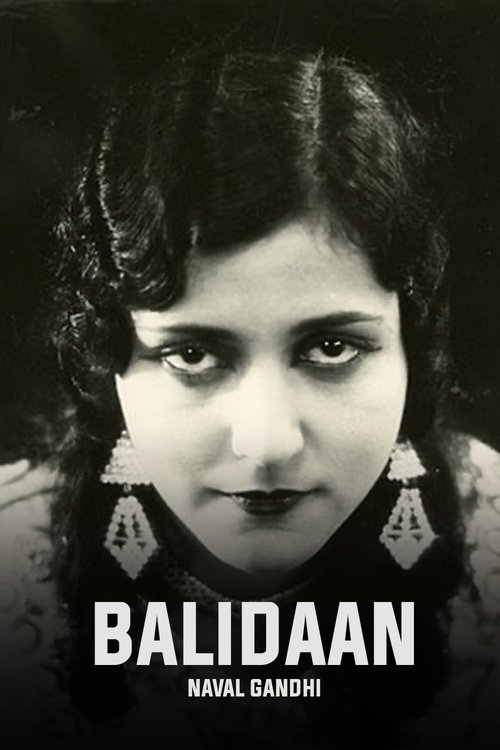
Sacrifice
The story addresses the conflict between reformist enlightenment and obsolete, inhuman ritual, questioning the contemporary validity of traditional rituals. The dramatic pivot is the conflict between the king who banned animal sacrifice, and the priest who calls for the king's own blood. Emotionally, the film revolves around the childless queen and a beggar girl whose pet goat has been taken for the sacrifice and who loves a servant in the temple.